
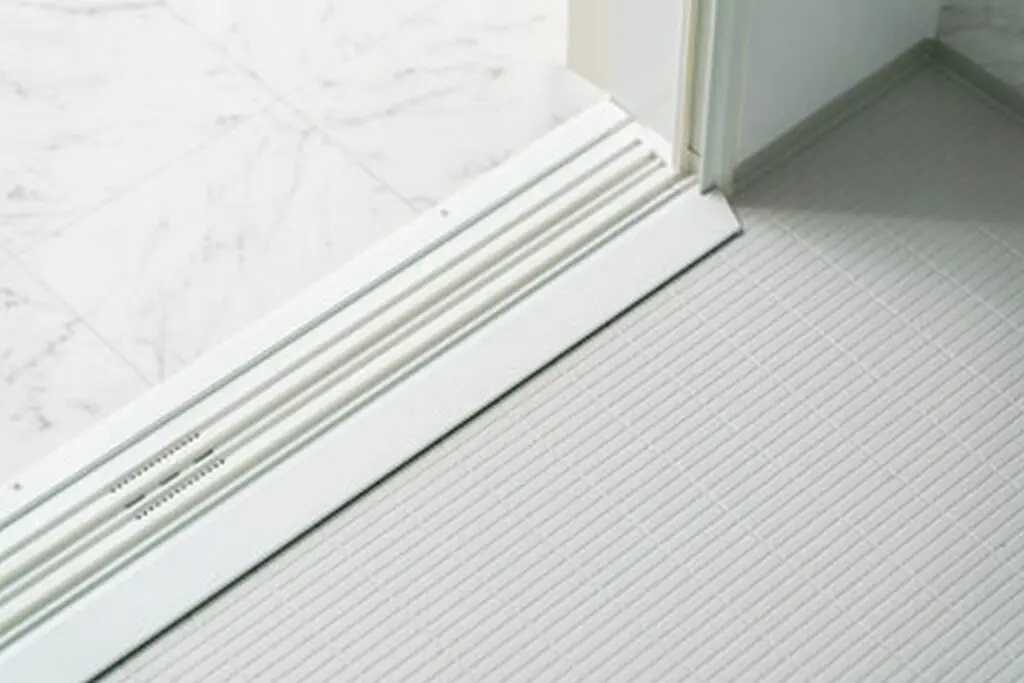
Cleaning the shower door track can seem daunting, but with the right tools and techniques, you can effectively eliminate grime and maintain a healthier bathroom environment.
The shower door track is often a hidden culprit of grime in the bathroom. Its narrow crevices and constant exposure to moisture create a perfect breeding ground for mold, mildew, and a stubborn accumulation of soap scum. Tackling this area effectively can significantly improve the cleanliness and hygiene of your bathroom. Quality Cleaning Services understands these challenging spots and offers expert cleaning solutions to restore every corner of your home.
Why shower tracks get so dirty
Shower door tracks are uniquely susceptible to accumulating dirt, mold, mildew, and soap scum due to several factors inherent to their design and location:
- Constant Moisture Exposure: Every shower introduces water, steam, and condensation to the track. This persistent dampness is the primary catalyst for mold and mildew growth. Even when the shower isn’t in use, residual moisture can linger in the narrow channels.
- Soap Scum Buildup: As water mixes with soap, shampoo, and body oils, it creates soap scum. When this mixture runs down the shower door and into the track, the scum dries and leaves behind a sticky, whitish residue that’s difficult to remove once hardened.
- Trapped Debris: Hair, dead skin cells, dust, and other bathroom debris easily get caught in the track’s crevices. This organic matter provides a food source for mold and bacteria, exacerbating growth.
- Poor Ventilation: If the bathroom isn’t adequately ventilated, humidity levels remain high, preventing the track from drying out fully and creating an ideal environment for microbial proliferation.
- Narrow and Hard-to-Reach Spaces: The design of shower door tracks often includes tight grooves, corners, and sliding mechanisms that are difficult to access with standard cleaning tools, allowing grime to accumulate undisturbed.
- Material Porosity: Grout, caulk, and certain plastic components in the track can be porous, absorbing moisture and staining agents, making them more prone to discoloration.
Step-by-step cleaning guide
Effectively cleaning your shower door track requires patience and the right approach. Always ensure good ventilation by opening a window or turning on the exhaust fan.
Tools you’ll need
Gathering your tools beforehand makes the job more efficient:
- Small Stiff-Bristled Brush: An old toothbrush, a detail cleaning brush, or a specialized grout brush works well for scrubbing narrow crevices.
- Microfiber Cloths or Sponges: For wiping and rinsing.
- Cotton Swabs or Q-tips: For getting into the tightest corners.
- Paper Towels: For absorbing excess liquid and final drying.
- Spray Bottle: For applying liquid cleaning solutions.
- Small Bowl: For mixing pastes.
- Protective Gloves: Essential for protecting your hands from cleaners and grime.
- Optional: Flathead screwdriver (wrapped in a cloth) or a putty knife (plastic) for scraping stubborn buildup.
Natural vs chemical solutions
Choose the cleaning solution that best suits the severity of the buildup and your preference. Always test in an inconspicuous area first.
Natural Solutions (Safer, Gentler):
- White Vinegar: Excellent for dissolving soap scum and mineral deposits, and it has mold-killing properties. Use undiluted.
- Baking Soda: A mild abrasive that helps scrub away grime and absorbs odors. Often used in combination with vinegar.
- Lemon Juice: Acidic like vinegar, good for stains and leaves a fresh scent.
Chemical Solutions (More Aggressive, Faster-Acting):
- Oxygen Bleach (e.g., OxiClean): A non-chlorine bleach that breaks down organic stains and can whiten surfaces. Generally safer for materials than chlorine bleach.
- Chlorine Bleach (Diluted): Highly effective at killing mold and mildew and whitening surfaces, but it’s harsh. Mix 1 part bleach to 10 parts water. NEVER mix with ammonia or acid-based cleaners (like vinegar) as it creates dangerous toxic fumes. Use with extreme ventilation.
- Commercial Mold & Mildew Removers: Formulated for tough bathroom stains. Read labels carefully for specific instructions and warnings. Look for products designed for bathroom use.
Step-by-step cleaning process:
- Remove Loose Debris: Before applying any cleaner, use a paper towel, a vacuum with a narrow attachment, or a cotton swab to remove any loose hair, dust, or large pieces of grime from the track. This prevents creating a muddy mess.
- Apply Your Chosen Cleaner:
- For Mild to Moderate Buildup (Natural Method – Baking Soda & Vinegar Paste):
- Make a thick paste with baking soda and a small amount of water.
- Spread the paste generously into the wet shower track, ensuring it fills the crevices.
- Spray undiluted white vinegar directly onto the baking soda paste. It will fizz.
- Let the fizzing mixture sit for 10-15 minutes to penetrate the grime.
- For Tougher Buildup (Chemical Method – Bleach or Commercial Cleaner):
- Wear gloves and ensure excellent ventilation.
- Carefully apply the diluted bleach solution or commercial cleaner directly into the track.
- Allow it to sit for the time recommended by the product’s instructions (usually 5-10 minutes). Do not let bleach solutions dry on surfaces.
- For Mild to Moderate Buildup (Natural Method – Baking Soda & Vinegar Paste):
- Scrub Thoroughly: Using your stiff-bristled brush, vigorously scrub along the entire length of the track. Pay extra attention to corners and areas with heavy buildup. Use cotton swabs for the very tightest spots. For hardened soap scum, you might need to gently scrape with a plastic putty knife or a screwdriver wrapped in a cloth.
- Rinse and Wipe: Once you’ve scrubbed away the grime, rinse the track thoroughly with clean water. Use a damp microfiber cloth to wipe away all cleaner residue and loosened dirt. You may need to rinse the cloth frequently and repeat this step.
- Dry Completely: This is a crucial step for mold prevention. Use a clean, dry paper towel or microfiber cloth to wipe the track completely dry. Absorb as much moisture as possible.
How to prevent future buildup
Preventative measures are key to minimizing future cleaning efforts and keeping your shower door track clean.
- Squeegee or Wipe Down After Each Shower: The single most effective prevention. Use a squeegee on glass and a cloth on the track and surrounding surfaces to remove water after every shower.
- Improve Ventilation: Run the bathroom exhaust fan during and for at least 15-20 minutes after every shower. If no fan, open a window or the bathroom door to allow steam to escape.
- Keep Shower Curtain/Door Open: When the shower is not in use, leave the shower door ajar or pull the shower curtain fully open to allow air circulation and facilitate drying.
- Use Liquid Soap Over Bar Soap: Bar soap leaves behind more soap scum residue than liquid body wash or shower gel.
- Regular Light Cleaning: A quick wipe down with a damp cloth or a spray of diluted vinegar every few days can prevent heavy buildup.
- Apply a Water Repellent: Consider applying a water repellent spray (like those for glass shower doors) to the track. This creates a slicker surface that water and soap scum have a harder time adhering to.
- Consider a Trackless Shower Door: If you are undergoing a bathroom renovation, consider installing a frameless or trackless shower door, which eliminates the problematic track altogether.
Deep cleaning vs Regular maintenance
Understanding the difference between these two approaches will help you keep your shower track consistently clean without excessive effort.
Regular Maintenance (Daily/Every Few Days):
- Goal: To prevent grime from accumulating.
- Method: This involves quick actions after each shower like squeegeeing doors, wiping down surfaces (including the track) with a dry towel, and running the exhaust fan. It might also include a quick spray of a diluted daily shower cleaner (designed to prevent buildup) every few days.
- Frequency: Daily after each shower, or every 2-3 days for a quick wipe.
Deep Cleaning (Monthly/Quarterly):
- Goal: To remove any accumulated soap scum, hard water stains, mold, and mildew that regular maintenance couldn’t prevent, restoring the track to its original cleanliness.
- Method: This involves using the step-by-step cleaning guide above, employing a brush, and using more potent cleaning solutions (whether natural or chemical) to break down stubborn grime.
- Frequency: Depending on usage, water hardness, and ventilation, a deep clean is typically needed monthly or quarterly (every 1-3 months). If you’re diligent with daily prevention, you might only need a deep clean every few months. However, if you notice any new mold or heavy buildup, perform a deep clean immediately.
By combining consistent daily habits with periodic deep cleaning, you can effectively manage and eliminate grime in your shower door track, contributing to a cleaner and healthier bathroom. When the grime is too stubborn or you simply don’t have the time, Quality Cleaning Services is ready to provide the professional touch your bathroom needs.
Don’t let dirty shower tracks detract from your bathroom’s sparkle. For expert cleaning solutions that tackle tough grime and restore your bathroom’s freshness, trust Quality Cleaning Services.
