
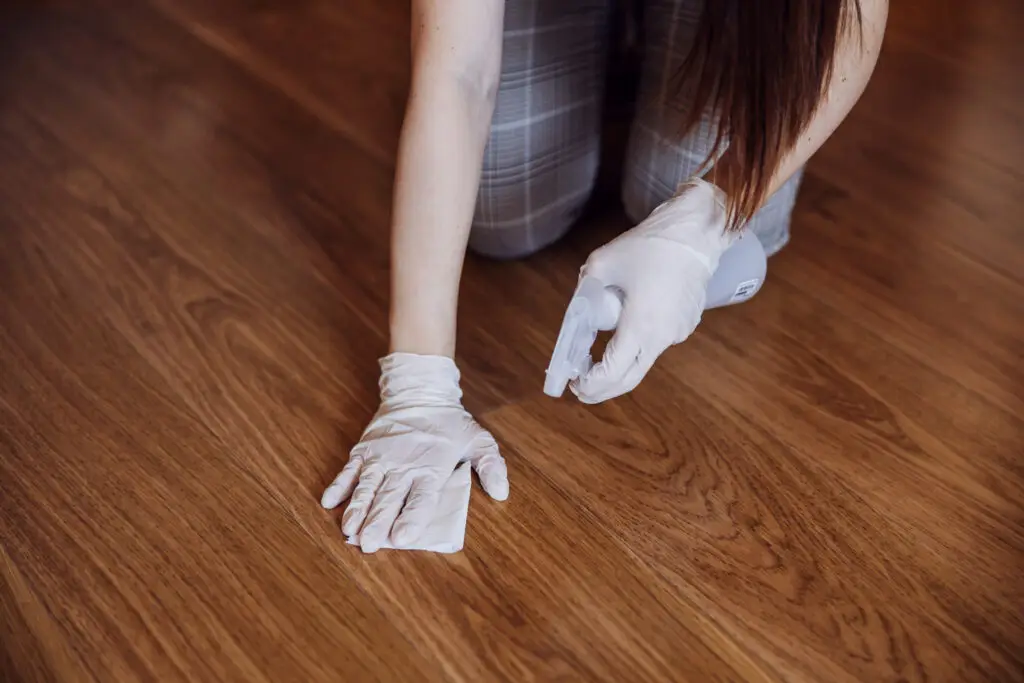
Vinyl flooring is a popular choice for its durability, water resistance, and aesthetic versatility, making it a staple in many homes and businesses. However, like any flooring, it’s susceptible to stains that can diminish its appeal. Knowing how to effectively and safely clean these marks is crucial for maintaining your vinyl’s pristine look. Quality Cleaning Services specializes in caring for all types of flooring, ensuring your vinyl floors remain beautiful for years to come.
Vinyl flooring is known for its resilience, but even the toughest floors can fall victim to spills and marks. The key to cleaning stains from vinyl is to act quickly and use the right methods to avoid damage.
What causes vinyl floor stains
Vinyl flooring is relatively stain-resistant, but certain substances can still leave unsightly marks. Common culprits include:
- Food and Beverage Spills: Coffee, tea, wine, juice, sauces, and dyes from certain foods can quickly seep into the top layer if not wiped up promptly.
- Ink and Dyes: Ink from pens, markers, newspaper print, and dyes from clothing or carpets can transfer onto vinyl, creating difficult stains.
- Scuff Marks: Black scuff marks are often caused by rubber soles of shoes dragging across the floor.
- Grease and Oil: From cooking splatters to automotive grease tracked in, oily substances can leave dark, sticky residue that attracts more dirt.
- Pet Stains: Urine and feces, if not cleaned immediately and thoroughly, can leave discoloration and odors.
- Rust: Metal furniture legs or spills from rusty objects can leave reddish-brown rust marks.
- Chemical Reactions: Certain harsh cleaners or prolonged contact with rubber-backed mats can cause yellowing or discoloration of the vinyl over time.
Spot cleaning techniques
Acting quickly is often the best defense against vinyl stains. Always start with the gentlest method first.
- General Dirt and Light Scuffs:
- Method: Use a clean, damp microfiber cloth with a small amount of mild dish soap and warm water. Gently rub the affected area.
- Why it works: The mild soap helps lift everyday grime and light scuffs without harshness.
- Food and Beverage Stains (Coffee, Tea, Juice, Wine):
- Method: Mix 1 tablespoon of baking soda with enough water to form a paste. Apply the paste to the stain and let it sit for 5-10 minutes. Gently rub with a soft cloth or sponge.
- Why it works: Baking soda is a mild abrasive that helps lift the stain without scratching, and it’s alkaline, which helps neutralize acidic food stains.
- Ink, Marker, Lipstick, Hair Dye:
- Method: Dab a clean white cloth with rubbing alcohol (isopropyl alcohol) or nail polish remover (acetone-free). Gently blot the stain, working from the outside in to prevent spreading. Do not rub vigorously, as this can spread the stain or damage the finish.
- Why it works: Alcohol and acetone-free nail polish remover are solvents that can dissolve many types of dyes and inks without harming the vinyl’s top layer when used sparingly.
- Grease, Oil, Tar, Crayon:
- Method: Apply a small amount of mineral spirits or WD-40 onto a clean cloth. Gently rub the stain until it dissolves. For chewing gum, harden it with ice in a plastic bag first, then gently scrape off with a plastic scraper before cleaning any residue with mineral spirits.
- Why it works: These are effective solvents for oil-based stains.
- Scuff Marks (Rubber Shoes):
- Method: Gently rub the scuff mark with a clean tennis ball or a clean pencil eraser. For more stubborn marks, a small amount of rubbing alcohol on a cloth can work.
- Why it works: The friction of rubber against rubber (or a mild solvent) helps lift the transfer.
- Rust Stains:
- Method: Mix lemon juice with cream of tartar to form a paste. Apply to the rust stain and let it sit for a few minutes. Gently rub with a soft cloth.
- Why it works: The acidity of lemon juice combined with the mild abrasive quality of cream of tartar helps break down rust without being overly harsh.
- Caution: Don’t leave acidic solutions on vinyl for too long, especially if it’s an older floor, as it could dull the finish.
- After Spot Cleaning: Always wipe the cleaned area with a clean, damp cloth to remove any residue from the cleaning solution, then dry thoroughly with a clean, dry cloth.
What not to use on vinyl floors
Using the wrong cleaning products or tools can severely damage your vinyl flooring, leading to dullness, discoloration, or even permanent structural issues.
- Abrasive Cleaners: Avoid scouring powders, steel wool, or harsh scrubbing pads. These will scratch the vinyl’s protective wear layer, making it dull and more susceptible to future staining and damage.
- Steam Mops: Despite their popularity for “deep cleaning,” the high heat and moisture from steam mops can force water into the seams of vinyl planks or tiles. This can cause the adhesive to loosen, lead to swelling of the core (especially with composite vinyl), and warp the flooring.
- Wax-Based Polishes or Oil-Based Cleaners: Vinyl flooring has a non-porous, factory-applied wear layer that does not need waxing. These products will create a dull, sticky film that attracts dirt, is difficult to remove, and can make the floor slippery.
- Ammonia-Based Cleaners: Ammonia is too harsh for vinyl and can dull the finish, especially with repeated use.
- Highly Acidic or Alkaline Cleaners: Strong acids (like pure vinegar or lemon juice left on for too long) or strong alkaline cleaners (like heavy-duty degreasers) can damage the vinyl’s finish and cause discoloration. Always dilute acidic cleaners and rinse thoroughly.
- “Mop & Shine” Products: Many of these products contain acrylics or waxes that build up over time, leaving a dull film that is hard to remove.
- Dishwashing Detergent with Degreasers: While a small amount of mild dish soap is fine, strong dishwashing detergents designed for heavy grease can be too potent and leave streaks or dull the finish.
Deep cleaning for set-in stains
For overall grime or stains that have set in across a larger area, a thorough deep cleaning is needed.
- Start with Dry Cleaning: First, sweep or vacuum the entire floor to remove loose dirt and grit.
- Prepare a Gentle Cleaning Solution: Mix a few drops of pH-neutral vinyl floor cleaner (designed specifically for vinyl) or a very dilute solution of mild dish soap (1-2 tablespoons per gallon of warm water) in a bucket of warm water.
- Damp Mop: Dip a microfiber mop or a sponge mop into the solution and wring it out thoroughly until it’s just damp, not dripping wet. You should be able to touch the mop head and feel barely any moisture.
- Mop in Sections: Mop a small section of the floor at a time, moving backward. Avoid flooding the floor with water.
- Rinse Thoroughly: Immediately after mopping a section, use a second mop (or a clean, damp cloth) dipped in plain, clean water and wrung out tightly to rinse away any soap residue.
- Dry Completely: Use a clean, dry microfiber cloth or a clean, dry mop to dry the floor completely. Do not let water sit and air dry, as this can lead to water spots or moisture damage.
- Address Stubborn Spots (as per “Spot Cleaning Techniques”): If any set-in stains remain after the general deep clean, go back and target them using the specific spot cleaning methods outlined above.
- Repeat as Needed: For very dirty floors, you may need to repeat the mopping and rinsing steps.
Preventing future staining
Proactive measures are the best way to maintain your vinyl flooring and prevent future stains.
- Use Mats at Entrances: Place doormats or rugs at all exterior entrances to trap dirt, grit, and moisture from shoes before they get tracked onto your vinyl floors. Choose mats with non-rubber backings, as some rubber can cause yellowing on vinyl over time.
- Use Furniture Protectors: Place felt or rubber protectors under the legs of all furniture (chairs, tables, sofas, beds). This prevents scratches, scuffs, and dents. Regularly check and replace worn protectors.
- Avoid Dragging Furniture: Always lift and carry furniture or heavy items instead of dragging them across the floor. Use furniture sliders or plywood sheets when moving extremely heavy appliances.
- Trim Pet Nails: Keep pet nails trimmed to minimize scratches and scuff marks, especially from larger, more active pets.
- Wipe Spills Immediately: This is the golden rule for any flooring. Promptly clean up any food, beverage, or liquid spills to prevent them from setting into stains.
- Regular Dry Cleaning: Maintain a consistent routine of sweeping, dust mopping, or vacuuming (with a hard floor attachment) at least every other day to remove abrasive dirt and debris.
- Control Sunlight Exposure: Prolonged exposure to direct sunlight can cause fading or discoloration over time. Use blinds, curtains, or UV-protective window film on windows that receive intense direct sun.
- Choose the Right Rug Backings: If you use area rugs on your vinyl floor, ensure their backings are made of felt or woven materials, not rubber or latex, which can react with vinyl and cause yellowing.
By adhering to these gentle yet effective cleaning methods and preventative care, your vinyl floors will retain their beauty and durability for many years. For truly comprehensive floor care and to ensure every surface of your home looks its best, trust the expertise of Quality Cleaning Services.
Restore the shine to your vinyl floors with professional care. Contact Quality Cleaning Services for expert cleaning solutions tailored to your home’s needs!
