
Walk-in showers are popular for their spaciousness, accessibility, and modern aesthetic. However, their expansive surfaces—often featuring large glass panels and extensive tiling—also present unique cleaning challenges. Regular maintenance and strategic deep cleaning are essential to prevent the buildup of soap scum, hard water stains, and mold, ensuring your walk-in shower remains a sparkling oasis. Quality Cleaning Services provides the expertise to keep your walk-in shower immaculate, preserving its beauty and hygiene.
Keeping your walk-in shower pristine requires a targeted approach for its various surfaces. With the right techniques and products, you can maintain its brilliance with ease.
What makes walk-in showers different to clean
While all showers get dirty, walk-in showers pose some distinct cleaning considerations:
- Larger Surface Area: Unlike traditional showers that might have only three tiled walls and a small door, walk-in showers often feature expansive glass panels and more extensive tilework, meaning more surface area for soap scum, hard water, and grime to accumulate.
- More Glass: Many walk-ins prioritize frameless or semi-frameless glass enclosures. While aesthetically pleasing, these large glass panels are highly prone to showing every water spot, streak, and soap scum buildup.
- Extended Grout Lines: More tile means more grout. Grout, being porous, is a magnet for dirt, mold, and discoloration, and the sheer volume of it in a large walk-in can make cleaning a significant task.
- Specific Drainage Systems: Some walk-in showers have linear drains or trench drains which, while stylish, can require specific cleaning to prevent clogs and odors.
- Open Design: While great for accessibility, the open nature can sometimes mean more splashing onto surrounding bathroom areas, requiring broader cleaning.
- Ventilation Challenges: Larger enclosed shower spaces might require more robust ventilation to dry out properly, otherwise, they become prime environments for mold and mildew.
Cleaning glass, tile, grout, and fixtures
Each surface in your walk-in shower demands a tailored approach for effective cleaning.
Glass panels and doors
- Daily: After each shower, use a squeegee on all glass surfaces. This is the single most effective way to prevent water spots and soap scum.
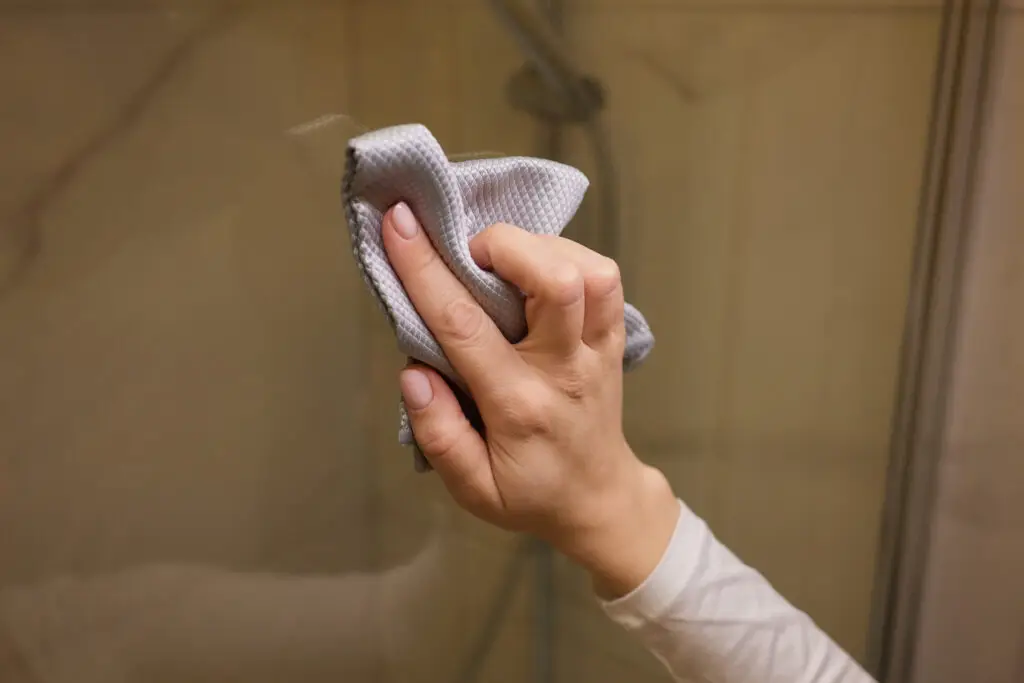
- Weekly/Bi-Weekly: Spray glass with a white vinegar solution (1:1 with water) or a commercial glass cleaner specifically for showers. Let it sit for a few minutes, then wipe with a clean microfiber cloth. For stubborn soap scum, a paste of baking soda and water (applied, let sit, then gently scrubbed with a non-abrasive sponge) can work.
- Avoid: Abrasive scrubbers or harsh chemical cleaners not designed for glass, which can etch or scratch the surface.
Tile and grout
- Routine: After a shower, briefly rinse all tiled walls to wash away loose soap scum. Weekly, spray down tiles and grout with a daily shower cleaner or a dilute vinegar solution.
- Deep Cleaning (Monthly/Quarterly):
- Grout: For stained grout, use a grout brush with a paste of baking soda and vinegar (apply baking soda paste, spray with vinegar, let fizz, scrub, then rinse). For persistent mold, a diluted bleach solution (1:10 water to bleach) or an oxygen bleach product can be used (ensure ventilation and avoid mixing chemicals).
- Tiles: Use a pH-neutral tile cleaner or a dilute solution of mild dish soap and water. Scrub with a soft brush or sponge, then rinse thoroughly.
- Avoid: Abrasive scour pads that can scratch tiles or harsh acids that can damage grout.
Fixtures (Showerheads, Faucets, Handles)
- Routine: Wipe down fixtures after each use to prevent water spots.
- Weekly/Bi-Weekly: Use a mild all-purpose cleaner or a solution of white vinegar (undiluted for hard water spots). Spray on, let sit for 5-10 minutes, then wipe with a soft cloth.
- For Heavy Mineral Buildup: For showerheads clogged with mineral deposits, fill a plastic bag with undiluted white vinegar, secure it around the showerhead so the head is submerged, and let it soak for a few hours or overnight. Remove, scrub with a brush, and rinse.
- Avoid: Abrasive cleaners or sponges that can scratch chrome, brushed nickel, or other finishes. Check manufacturer’s recommendations for specific finishes.
Products that work for mold, soap scum & hard water
Effective cleaning depends on targeting the specific type of buildup.
- For Soap Scum:
- White Vinegar: Excellent for dissolving soap scum.
- Baking Soda Paste: Mildly abrasive, helps scrub away scum.
- Mild Dish Soap: Good for cutting through greasy scum.
- Commercial Soap Scum Removers: Formulated to break down soap scum.
- For Hard Water Stains (Mineral Deposits):
- White Vinegar: Its acidity effectively dissolves calcium and magnesium deposits.
- Lemon Juice: Also acidic, good for lighter hard water stains.
- CLR (Calcium, Lime, Rust Remover): A strong commercial option for severe hard water stains, but use with caution and follow instructions.
- For Mold & Mildew:
- White Vinegar (Undiluted): Kills about 82% of mold species.
- Hydrogen Peroxide (3% solution): A non-toxic alternative to bleach for killing mold.
- Oxygen Bleach (e.g., OxiClean): Effective on mold and mildew stains, generally safer for colored grout than chlorine bleach.
- Chlorine Bleach (Diluted 1:10 with water): Powerful mold killer and whitener, but use with extreme caution, ensure ventilation, and never mix with other cleaners.
- Commercial Mold & Mildew Removers: Designed specifically for these issues.
General Tip: For safety, avoid mixing different chemical cleaners. If using a natural cleaner isn’t effective, rinse thoroughly before trying a commercial product. Always wear gloves.
Tips for daily maintenance and monthly deep cleaning
A consistent schedule is your best defense against heavy buildup in a walk-in shower.
Daily maintenance (after each shower)
- Squeegee Glass: Use a squeegee on all glass surfaces.
- Wipe Down Surfaces: Quickly wipe down the shower walls, fixtures, and floor with a clean, dry cloth.
- Run Exhaust Fan: Turn on the fan for 15-20 minutes after showering to remove humidity.
- Air Dry: Leave the shower door ajar to allow air circulation.
Monthly deep cleaning (or Quarterly, depending on usage)
- Full Clean of Glass: Use a dedicated glass cleaner or vinegar solution, let it sit, then wipe.
- Thorough Tile & Grout Scrub: Apply chosen cleaner (baking soda/vinegar, or commercial cleaner) to all tile and grout. Scrub with a stiff brush.
- Fixture Shine: Clean and polish all metal fixtures.
- Drain Cleaning: Clear any hair or debris from the drain cover. For linear drains, remove the grate and clean the channel.
- Wall Wipedown: Wipe down all shower walls, ensuring no missed spots.
- Dry Completely: After rinsing, ensure all surfaces are thoroughly dried to prevent new water spots or mold.
Avoiding damage to sealants or coatings
Many modern showers feature protective sealants on grout or special coatings on glass, and proper cleaning is crucial to preserve them.
- Check Glass Coatings: Some glass shower doors come with factory-applied coatings (e.g., Easy Clean, ClearShield) that repel water and soap scum. Check the manufacturer’s recommendations; typically, these require only very mild, pH-neutral cleaners and a soft cloth. Avoid abrasive cleaners, strong acids, or alkaline products, as they can strip or damage the coating.
- Grout Sealant Protection: If your grout is sealed (which is highly recommended for walk-in showers), harsh cleaners, especially abrasive ones or strong acids (like undiluted vinegar left for too long), can degrade the sealant over time.
- Use pH-Neutral Cleaners: Opt for pH-neutral cleaners for regular cleaning to prolong the life of your grout sealant.
- Test Acidic Cleaners: If using acidic cleaners like vinegar for hard water, dilute them and don’t let them sit for too long. Rinse thoroughly.
- Re-seal Grout: Remember that grout sealants aren’t permanent. Depending on the product and usage, grout should be re-sealed every 1-5 years. If water soaks into your grout, it’s time to re-seal.
- Fixture Finishes: Be mindful of specific metal finishes (e.g., brushed nickel, oil-rubbed bronze). Abrasive cleaners or harsh chemicals can scratch or corrode these finishes. Always use cleaners recommended for the specific finish type.
- Read Labels: Always read the labels of all cleaning products and the care instructions for your shower’s specific materials to ensure compatibility.
By following these detailed steps and being mindful of your shower’s specific materials, you can maintain a sparkling clean and hygienic walk-in shower. For those times when you need a professional touch or a deeper clean, Quality Cleaning Services has the expertise and equipment to ensure your walk-in shower always looks its best.
For a truly spotless and hygienic walk-in shower, rely on the experts. Contact Quality Cleaning Services for specialized cleaning solutions that meet your needs.
