
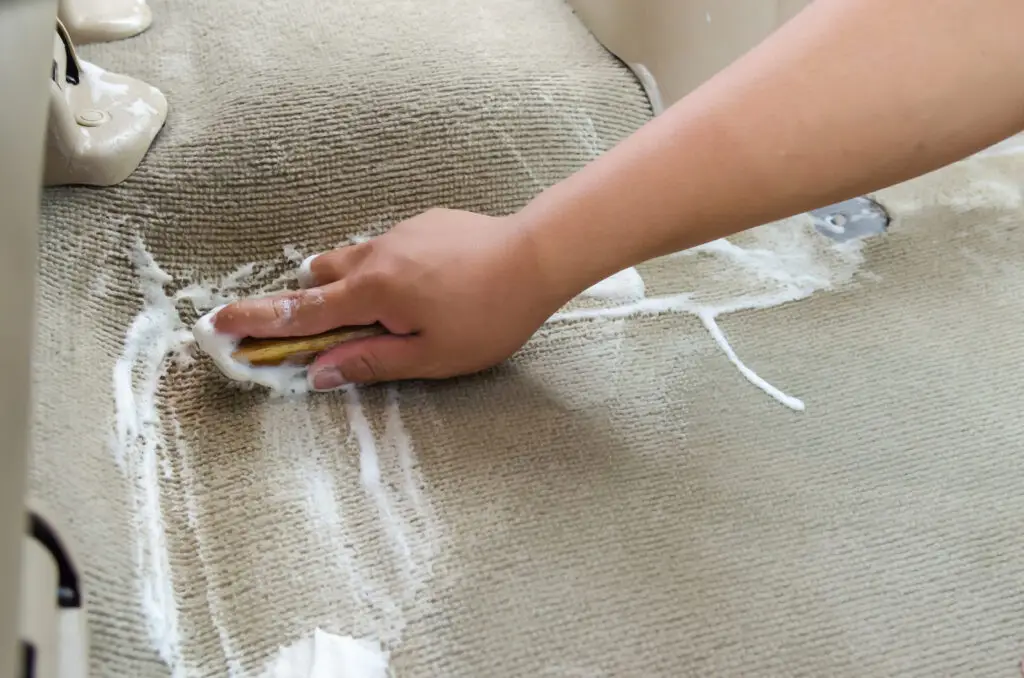
White carpets, despite their elegant and luxurious appearance, are notorious for revealing every speck of dirt, crumb, and spill. Maintaining their pristine look requires a diligent approach to daily care and a quick response to accidents. However, with the right strategies, keeping your white carpet sparkling is entirely achievable. Quality Cleaning Services understands the unique challenges of white carpet care and provides expert solutions to preserve its beauty and extend its life.
A white carpet can be a stunning addition to any home, but its beauty relies heavily on consistent care and swift action against spills. Learn how to protect your investment and keep your white carpet looking fresh and bright.
Why white carpets get dirty so easily
White carpets aren’t inherently “dirtier” than their darker counterparts; rather, their light color makes dirt and stains far more visible. Here’s why they seem to attract grime:
- High Contrast: The light color offers no camouflage for even the smallest particles. A tiny speck of dirt that would disappear on a dark carpet stands out glaringly on white.
- Absorbency: Like all carpets, white carpets are porous and can readily absorb liquids, oils, and other substances. When stains penetrate the fibers, they are highly noticeable due to the color.
- Light Reflection: The white fibers reflect light, which can sometimes highlight shadows and inconsistencies in the pile, making even minor imperfections appear more prominent.
- Everyday Accumulation: Daily foot traffic, dust, pet dander, and environmental pollutants inevitably get tracked onto and settle into carpet fibers. On a white surface, this accumulation quickly leads to a dull, dingy appearance.
- Oils and Greases: Human skin oils, cooking grease, and pet oils can cling to carpet fibers, attracting more dirt and leading to yellowing or graying over time.
Daily and weekly maintenance routines
Consistent, proactive care is the most effective strategy for preserving the cleanliness of your white carpet.
Daily maintenance:
- Vacuum High-Traffic Areas: In areas like entryways, hallways, and living rooms, a quick daily vacuuming is essential. This removes loose dirt and grit before it gets embedded in the fibers.
- Wipe Spills Immediately: The golden rule for any carpet, but especially white! Blot (don’t rub) spills with a clean white cloth or paper towel as soon as they occur. Immediate action prevents stains from setting.
- Inspect for Debris: Quickly scan the carpet for any visible crumbs, leaves, or other debris that can be picked up by hand.
Weekly maintenance:
- Thorough Vacuuming: Vacuum the entire white carpeted area at least once a week, preferably twice for homes with pets or heavy traffic. Use a good quality vacuum cleaner with strong suction and a HEPA filter to pick up fine dust and allergens.
- Pro Tip: Vacuum slowly and in multiple directions (e.g., crisscross patterns) to lift the pile and extract as much embedded dirt as possible.
- Shake Out Entry Mats: Regularly shake out or vacuum entry mats and rugs positioned at doorways. These act as the first line of defense, trapping a significant amount of dirt before it reaches your white carpet.
- Rotate Furniture (If Possible): Periodically rotating furniture can help distribute wear and minimize uneven soiling in high-traffic patterns.
Spot cleaning techniques for common stains
Speed is critical when dealing with spills on white carpet. Always blot, never rub, and work from the outside of the stain inwards to prevent spreading. Always test any cleaning solution in an inconspicuous area first.
- General Spills (Non-Oily, e.g., Juice, Soda, Coffee, Tea, Mud):
- Blot: Blot up as much liquid as possible with a clean, white, absorbent cloth or paper towels.
- Dilute: Dampen a clean cloth with cool water and gently blot the stain to dilute it.
- Mild Solution: Mix a few drops of clear, mild dish soap (without dyes or bleach) with warm water. Apply a small amount to a clean cloth and gently blot the stain.
- Rinse: Blot with a clean cloth dampened with plain water to rinse out the soap residue.
- Dry: Blot dry with a fresh, clean towel. Place a stack of paper towels weighted down on the damp spot to absorb remaining moisture.
- Oil/Grease Stains (e.g., Food Grease, Lipstick, Crayon):
- Scrape (if solid): Gently scrape off any excess solid material with a dull knife or spoon.
- Blot: Blot with paper towels to absorb as much oil as possible.
- Dry Solvent: Apply a small amount of a non-flammable dry cleaning solvent or rubbing alcohol to a clean white cloth.
- Blot: Gently blot the stain with the cloth, working from the outside in.
- Rinse & Dry: Blot with a clean, damp cloth (water only) to rinse, then blot dry.
- Pet Stains (Urine/Feces/Vomit):
- Remove Solids: Carefully remove any solid waste.
- Blot Liquid: Blot liquid urine with paper towels, pressing firmly to absorb as much as possible.
- Enzymatic Cleaner: Saturate the stained area with an enzymatic pet odor and stain remover. Follow product instructions carefully for dwell time.
- Blot & Rinse: Blot with a clean cloth, then rinse thoroughly by blotting with a clean, damp cloth.
- Dry: Blot dry. The enzymatic cleaner continues to work as it dries.
- Ink Stains:
- Blot: Blot with paper towels to absorb excess.
- Rubbing Alcohol: Apply rubbing alcohol to a clean white cloth and gently blot the ink. The ink should transfer to the cloth.
- Rinse & Dry: Blot with a clean, damp cloth, then blot dry.
- Chewing Gum:
- Harden: Place ice cubes in a plastic bag and hold it over the gum until it freezes and hardens.
- Scrape: Gently scrape off the hardened gum with a dull knife or spoon.
- Remove Residue: If residue remains, blot with a clean cloth dampened with mineral spirits or a dry cleaning solvent, then blot dry.
Best products and tools for white carpet care
Having the right arsenal makes white carpet maintenance more effective and safer.
- Vacuum Cleaner: Invest in a good quality vacuum cleaner with strong suction and adjustable height settings for different carpet piles. A HEPA filter is beneficial for trapping fine dust and allergens. Ensure the beater bar can be turned off for delicate carpets or for surface cleaning.
- Microfiber Cloths/White Towels: Essential for blotting spills and applying cleaning solutions without transferring color or excessive moisture.
- Spray Bottle: For applying dilute cleaning solutions evenly.
- White Vinegar: A versatile, natural cleaner for many stains and for deodorizing.
- Baking Soda: Excellent for absorbing odors and as a mild abrasive for lifting stains.
- Rubbing Alcohol (Isopropyl Alcohol): Effective for ink, lipstick, and some oil-based stains.
- Enzymatic Pet Stain & Odor Remover: Crucial for breaking down organic pet stains at their source, preventing odors and recurring stains.
- Commercial Carpet Spot Remover (White Carpet Safe): Keep a reputable, professional-grade carpet spot remover specifically formulated as “safe for white carpets” or “color-safe” on hand for stubborn stains. Always test first.
- Carpet Brush (Soft Bristle): For gently working cleaners into the pile on stubborn spots.
- Wet/Dry Shop Vacuum (Optional): For extracting larger liquid spills quickly and efficiently after blotting.
What to AVOID:
- Colored Cloths: Can transfer dye to white carpet.
- Harsh Chemicals: Bleach (unless specifically a carpet-safe oxygen bleach, used with extreme caution), ammonia, or strong laundry detergents can damage fibers, cause discoloration, or leave sticky residues.
- Over-Wetting: Never saturate the carpet, as this can lead to mold/mildew growth, damage the carpet backing, and cause water stains.
- Scrubbing: Always blot to prevent spreading the stain and damaging carpet fibers.
When to schedule a professional carpet cleaning
While diligent DIY care is essential, professional carpet cleaning provides a level of deep cleaning that home methods simply cannot achieve, especially for white carpets.
- Recommended Frequency: For white carpets, scheduling a professional hot water extraction (often called “steam cleaning”) at least once every 6-12 months is highly recommended, even with good daily maintenance. For homes with pets, children, or heavy traffic, more frequent professional cleaning (e.g., every 6 months) may be necessary.
- Deep-Seated Dirt and Dullness: Over time, fine dirt particles settle deep into the carpet pile, causing a general dullness or graying that vacuuming cannot remove. Professionals use powerful equipment to extract this embedded grime.
- Invisible Allergens and Mites: Professional cleaning significantly reduces allergens like dust mites, pet dander, and pollen that accumulate deep within the carpet, improving indoor air quality.
- Stubborn, Set-In Stains: For stains that simply won’t budge with spot cleaning, professionals have specialized solutions, equipment, and expertise to tackle a wider range of challenging stains without damaging the carpet.
- Odor Elimination: If your white carpet has absorbed odors (e.g., from pets, spills, or general mustiness), professional cleaning can effectively neutralize and remove these smells.
- Restoring Appearance: Professional cleaning rejuvenates the carpet’s appearance, restoring its softness, brightness, and pile, making it look vibrant again.
- Maintaining Warranty: Many carpet manufacturers require professional cleaning at specific intervals to maintain the carpet’s warranty.
- Peace of Mind: For the ultimate cleanliness and to ensure your white carpet remains a highlight of your home, trusting Quality Cleaning Services provides peace of mind that your carpet is in expert hands. We use appropriate methods and solutions specifically designed to safely and effectively clean white carpets, leaving them fresh, bright, and hygienic.
Don’t let the fear of stains deter you from the elegance of a white carpet. With diligent daily care and the strategic support of professional cleaning, your white carpet can remain a stunning feature in your home. For expert carpet care that revives and protects, trust Quality Cleaning Services.
