
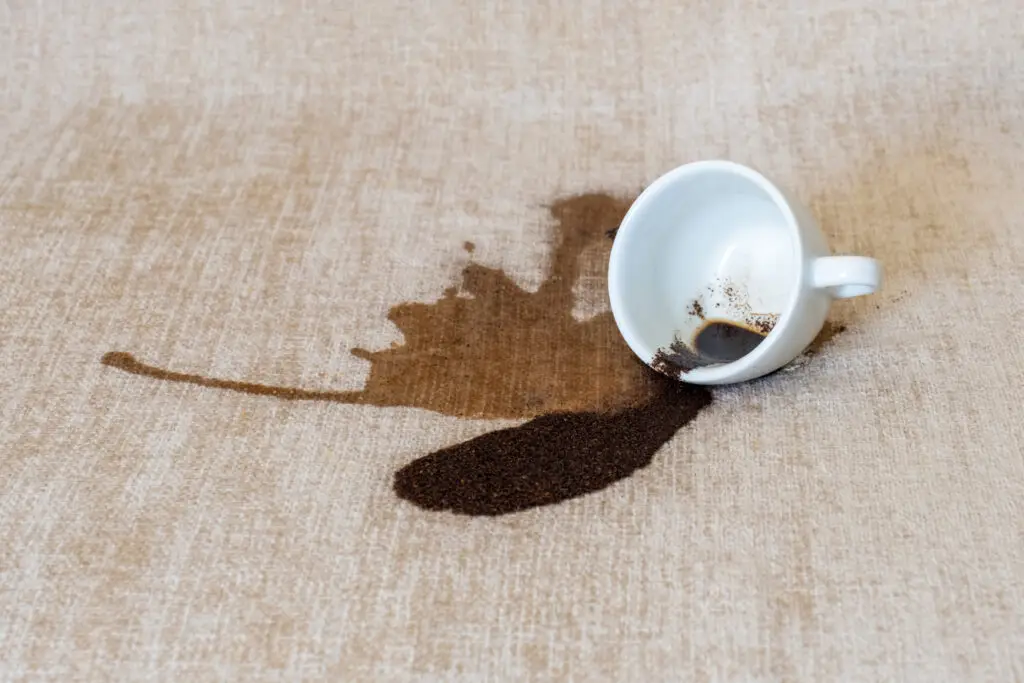
When it lands on the carpet. This common household accident creates a particularly challenging stain due to its complex composition. Acting quickly and correctly is crucial for successful removal and preventing long-term damage. Quality Cleaning Services understands the urgency and difficulty of such spills, providing expert advice and professional solutions for maintaining pristine carpets.
Chocolate milk stains can be daunting, but with the right approach, you can effectively remove them and restore your carpet’s cleanliness. Speed and technique are your best allies.
Why chocolate milk is a tricky stain
Chocolate milk is a deceptively complex stain, combining several elements that make it particularly challenging to remove from carpet fibers:
- Dairy (Protein/Fat): The milk component contains proteins and fats. Proteins can bind tightly to carpet fibers, becoming tough to remove once they coagulate (dry). Fats can leave behind greasy residues that attract more dirt and cause discoloration.
- Chocolate (Dye/Pigment): Chocolate contains strong natural dyes (cocoa solids) that can quickly stain fibers, especially lighter-colored carpets. These pigments can set into the fiber if not treated promptly.
- Sugar: The sugar content in chocolate milk makes the stain sticky. This stickiness attracts dust and dirt, leading to a darker, more entrenched stain over time. Sugar can also caramelize when heated, making the stain even harder to remove.
- Quick Drying: In warm environments, chocolate milk can dry relatively quickly, allowing its various components to bind firmly to the carpet fibers.
- Penetration: Being a liquid, it easily seeps deep into the carpet pile and often into the carpet backing, making thorough removal difficult and potentially leading to hidden odors or mold if moisture remains.
Step-by-step cleaning guide
When a chocolate milk spill occurs, immediate action is paramount.
Blotting vs Rubbing? What to avoid
This is the most crucial first step for any liquid spill on carpet:
- DO BLOT: Always blot the stain with a clean, white, absorbent cloth or paper towels. Apply gentle pressure straight down onto the stain, allowing the liquid to wick up into the towel. Continue blotting with clean sections of the towel until no more liquid transfers.
- DO NOT RUB: Rubbing pushes the stain deeper into the carpet fibers, spreads it further, and can damage the carpet pile, potentially making the stain permanent or creating a fuzzy texture.
Natural vs Chemical cleaners
Once you’ve blotted up as much as possible, choose your cleaning solution. Always test any cleaner in an inconspicuous area of the carpet first to ensure it doesn’t cause discoloration or damage.
Natural Cleaners (Gentler Options):
- Mild Dish Soap & Water:
- Effectiveness: Excellent for cutting through fats and sugars. Gentle on most carpets.
- Preparation: Mix 1/4 teaspoon of clear, dye-free mild dish soap (like Dawn) with 1 cup of warm water.
- White Vinegar Solution:
- Effectiveness: Helps break down proteins and can neutralize odors. Good for diluting and rinsing.
- Preparation: Mix 1 part white vinegar with 1 part warm water.
- Baking Soda:
- Effectiveness: Acts as a mild abrasive to help lift dried residues and absorbs odors.
- Preparation: Can be used as a paste with water or sprinkled dry.
Chemical/Commercial Cleaners (More Aggressive Options):
- Enzymatic Pet Stain & Odor Remover:
- Effectiveness: Highly recommended for organic stains like milk, as enzymes specifically break down proteins and biological matter. Also excellent for odor elimination.
- Use: Follow product instructions carefully.
- Commercial Carpet Spot Remover (Protein-Based Stains):
- Effectiveness: Look for a cleaner specifically designed for protein or food-based stains.
- Use: Always read and follow manufacturer’s instructions.
- Hydrogen Peroxide (3%):
- Effectiveness: A mild bleaching agent that can help with the chocolate pigment, and it has disinfectant properties.
- Caution: Can lighten some carpet colors, so test in an inconspicuous area first. Do not use on wool carpets.
Step-by-step process for a fresh stain:
- Blot Immediately: Blot up as much chocolate milk as possible with clean, white paper towels or a cloth. Press firmly.
- Apply Cleaning Solution:
- Spray or dab your chosen solution (mild dish soap, enzymatic cleaner, or commercial spot remover) onto a clean, white cloth.
- Do NOT pour directly onto the carpet.
- Gently blot the stain with the moistened cloth, working from the outside edge of the stain towards the center. This prevents spreading.
- Continue blotting with clean sections of the cloth, reapplying solution as needed, until the stain transfers less onto the cloth.
- Rinse (Crucial):
- Dampen a separate clean, white cloth with plain warm water (or a dilute vinegar solution for non-protein cleaners).
- Blot the cleaned area thoroughly to rinse out all cleaning solution residue. Remaining residue can attract dirt later.
- Repeat with clean water and a clean section of cloth until no suds or residue appear.
- Dry Thoroughly:
- Place a stack of clean, dry white paper towels or a thick, clean white towel over the damp area.
- Apply pressure (you can stand on it or place a heavy object on top) to absorb as much moisture as possible.
- Allow the area to air dry completely. You can place a fan nearby to speed up drying.
Deep cleaning options for set-in stains
If the chocolate milk stain has dried or is proving stubborn, you’ll need a more intensive approach.
- Re-Wet the Stain: Lightly dampen the entire set-in stain with cool water. This helps re-activate the dried components.
- Apply Enzyme Cleaner or Specialized Stain Remover:
- Generously apply an enzymatic cleaner (highly recommended for protein-based stains like milk) or a commercial carpet stain remover designed for food/protein stains.
- Ensure the product penetrates into the carpet fibers.
- Follow the product’s dwell time precisely (often 10-30 minutes, or as directed). This allows the enzymes or chemicals to break down the stain.
- Gentle Agitation (Optional): For very stubborn areas, after the cleaner has dwelled, gently work it into the fibers with a soft-bristle brush (like an old toothbrush). Do not scrub aggressively.
- Blot and Extract:
- Blot thoroughly with clean, white cloths until no more stain transfers.
- For a more effective rinse and extraction, consider using a wet/dry shop vacuum (if you have one) or a carpet spot cleaner machine. Fill the machine with plain water, spray the area, and immediately extract the dirty water. Repeat until the water comes up clean.
- If you don’t have a machine, continue blotting and rinsing manually until all residue is gone.
- Baking Soda for Odor/Drying: Once the area is as clean and dry as possible, sprinkle a generous layer of baking soda over the damp spot. Let it sit for several hours or overnight. Baking soda will absorb remaining moisture and odors.
- Vacuum: Thoroughly vacuum up the dried baking soda.
- Repeat if Necessary: For very old or stubborn stains, you might need to repeat the deep cleaning process multiple times.
Preventing odor or mold after a spill
Proper drying and odor neutralization are critical after a liquid spill to prevent secondary problems.
- Thorough Drying is Paramount: Any residual moisture in the carpet fibers or backing can lead to mold and mildew growth within 24-48 hours, causing persistent musty odors and potential health issues.
- Absorb Excess: Press firmly with towels to absorb as much moisture as possible.
- Air Circulation: Place fans directly on the treated area to speed up evaporation. Open windows if outdoor humidity is low.
- Dehumidifier: In very humid environments, a dehumidifier in the room can help draw moisture out of the air and carpet.
- Odor Neutralization:
- Enzymatic Cleaners: These are the best for neutralizing organic odors from milk, as they break down the odor-causing molecules. Ensure the cleaner penetrates sufficiently.
- Baking Soda: After cleaning and partial drying, liberally sprinkle baking soda over the area. Let it sit for several hours or overnight to absorb odors, then vacuum.
- White Vinegar: Can also help neutralize odors when used as a rinse (1:1 water to vinegar), but ensure proper rinsing afterwards.
- Check Carpet Backing: For large spills, check the carpet backing and padding beneath. If saturated, you might need to lift the carpet to dry the padding and subfloor, or call a professional to prevent serious mold issues.
- Avoid Sealing Moisture: Do not place furniture or rugs over the damp spot until it is completely dry.
A chocolate milk spill on carpet is a cleaning challenge, but with quick action and the right methods, you can restore your carpet’s pristine look. For stains that persist or for an overall carpet refresh, Quality Cleaning Services offers professional carpet cleaning that deeply cleans, removes stubborn stains, and ensures your carpets are truly hygienic.Don’t let chocolate milk ruin your carpet. For expert stain removal and a fresh home, trust Quality Cleaning Services to bring your carpets back to life.
