
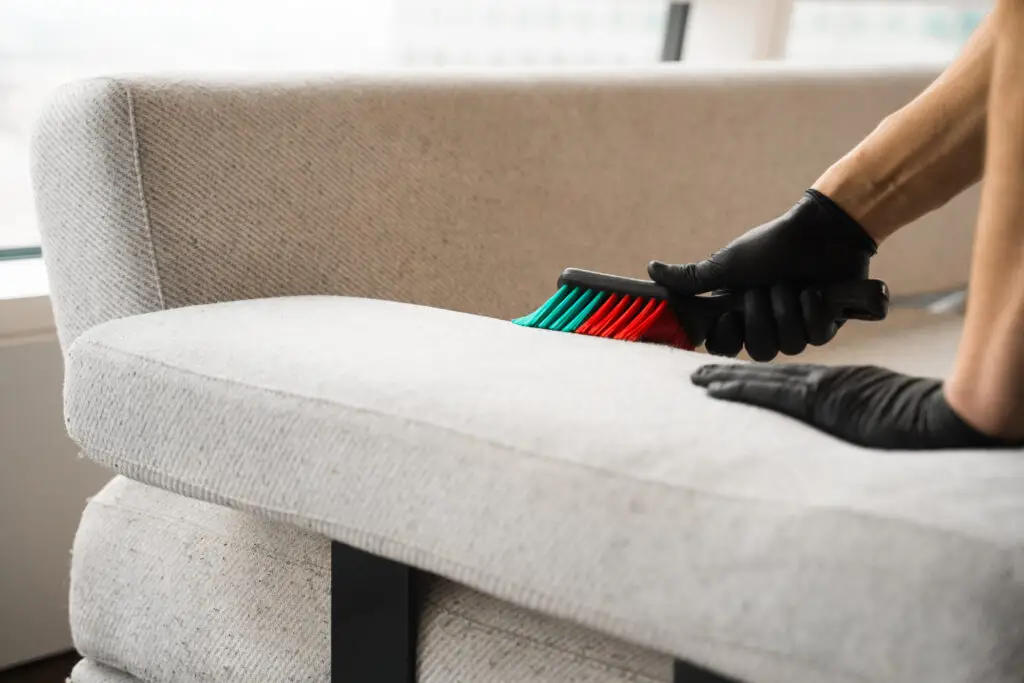
Linen sofas bring a touch of natural elegance and relaxed sophistication to any living space. Known for their breathability, strength, and beautiful texture, linen is a fantastic choice for furniture. However, as a natural fiber, it requires gentle and specific care to maintain its pristine appearance and prevent damage. Understanding its unique properties is the first step toward effective cleaning. Quality Cleaning Services offers specialized upholstery cleaning, ensuring your delicate linen sofa receives the expert care it deserves.
Cleaning a linen sofa requires a gentle touch and the right approach to preserve its natural beauty and integrity. With careful maintenance, your linen upholstery can remain a highlight of your home for years.
Understanding linen fabric and its needs
Linen is a natural fiber derived from the flax plant, renowned for its distinct qualities but also requiring specific care:
- Breathability and Durability: Linen is incredibly strong and durable, often becoming softer with age and use. It’s also highly breathable, making it comfortable in warm climates.
- Absorbency: Linen is highly absorbent, which means it can readily soak up spills. While this makes it breathable, it also means stains can penetrate deeply if not addressed quickly.
- Prone to Wrinkling and Creasing: Linen’s natural stiffness means it tends to wrinkle and crease. While some embrace this lived-in look, vigorous cleaning can exacerbate unwanted creasing.
- Shrinkage Risk: Like many natural fibers, linen can be prone to shrinking if exposed to excessive heat or aggressive washing, especially if not pre-shrunk during manufacturing. This makes overall wet cleaning a risk for slipcovers not specifically designed for it.
- Fading: Prolonged exposure to direct sunlight can cause linen’s colors to fade over time.
- “Water Rings”: Due to its absorbency, linen can sometimes show water rings or tide marks if a cleaning solution is applied unevenly or allowed to dry without thorough rinsing. This is why careful application and blotting are crucial.
Due to these characteristics, the cleaning tag on your linen sofa’s cushions (usually found under a cushion or on the underside of the sofa frame) is vital. Look for:
- “W”: Water-based cleaning.
- “S”: Solvent-based cleaning only (no water).
- “WS”: Water or solvent-based cleaning.
- “X”: Professional cleaning only (no water or solvent).
Always defer to the manufacturer’s code. For linen, “W” or “WS” is most common, but “S” is possible if the fabric is blended or has a delicate finish.
Daily maintenance tips
Consistent, gentle daily care can significantly extend the life and cleanliness of your linen sofa, minimizing the need for intensive cleaning.
- Fluff and Rotate Cushions: Daily fluffing and rotating of seat and back cushions (if removable) help maintain their shape, prevent uneven wear, and allow air circulation, which can deter dust buildup and keep the fabric fresh.
- Vacuum Regularly: At least once a week, use a vacuum cleaner with an upholstery attachment (a soft brush attachment is ideal). Gently vacuum the entire sofa, including crevices, under cushions, and the frame. This removes dust, crumbs, pet hair, and loose dirt before they become embedded.
- Address Spills Immediately: This is the golden rule for any fabric, especially absorbent linen. Blot (don’t rub!) spills as soon as they occur.
- Keep Out of Direct Sunlight: Position your linen sofa away from direct, prolonged sunlight to prevent fading. If this isn’t possible, use blinds or curtains to protect it during peak sun hours.
- Use Throws or Slipcovers (Optional): If your sofa gets heavy use, has pets, or is in a high-traffic area, consider using decorative throws or washable slipcovers to protect the linen.
Spot cleaning techniques for stains
Always act quickly! The faster you address a stain, the higher the chance of successful removal. Always test your cleaning solution on an inconspicuous area first.
- Blot, Don’t Rub: For any liquid spill, immediately blot with a clean, white, absorbent cloth or paper towel. Press firmly but gently to absorb as much liquid as possible. Rubbing will spread the stain and push it deeper into the fibers.
- General Liquid Stains (Coffee, Tea, Juice, Wine):
- Method: Mix 1/4 teaspoon of clear, dye-free mild dish soap (like Dawn) with 1 cup of distilled water.
- Application: Dampen a clean, white cloth with the solution. Gently blot the stain, working from the outside edge towards the center.
- Rinse: Use a separate clean cloth dampened with plain distilled water to blot the area and rinse out all soap residue. Remaining soap can attract dirt.
- Dry: Blot dry with a clean, dry white cloth. If possible, use a fan to aid air drying, or place a stack of paper towels weighted down on the spot to wick away moisture.
- Oil/Grease Stains (Butter, Lotion, Food Grease):
- Method: For fresh grease, sprinkle a generous amount of an absorbent powder like cornstarch, baking soda, or talcum powder directly onto the stain.
- Dwell Time: Let it sit for at least 15-30 minutes (or several hours for set-in stains) to absorb the oil.
- Remove: Gently vacuum or brush away the powder.
- Follow-up: If a mark remains, follow with the mild dish soap solution method described above. For stubborn greasy spots, a small amount of dry cleaning solvent (test first!) on a clean white cloth can be blotted onto the stain.
- Mud/Dirt Stains:
- Method: Let the mud dry completely.
- Remove Solids: Gently scrape or brush off as much dried mud as possible.
- Vacuum: Thoroughly vacuum the area.
- Follow-up: If a stain remains, follow with the mild dish soap solution method.
- Dealing with Water Rings: If a water ring forms after cleaning, lightly dampen the entire area of the ring (not just the stain) with plain distilled water using a clean spray bottle or cloth. Blot the entire dampened area thoroughly with a dry cloth and allow it to air dry evenly with good ventilation.
Tools and cleaners safe for linen upholstery
Using the right supplies ensures effective cleaning without damaging your delicate linen.
- Tools:
- Vacuum with Upholstery Attachment: Essential for routine dust and debris removal.
- Clean, White Microfiber Cloths or Terry Towels: Use white to prevent dye transfer to the linen. Microfiber is highly absorbent and gentle.
- Spray Bottle: For applying cleaning solutions in a fine mist.
- Soft-Bristle Brush: For gentle agitation on tough spots, if necessary (avoid stiff brushes).
- Cleaners:
- Distilled Water: Recommended for cleaning to avoid mineral deposits (hard water stains) that tap water can leave on fabrics, especially linen which can show water marks.
- Mild, Dye-Free Dish Soap: (e.g., clear Dawn, Seventh Generation dish soap) – Gentle and effective for many common stains.
- Enzymatic Pet Stain & Odor Remover: For pet accidents, as enzymes break down biological material and neutralize odors. Ensure it’s safe for upholstery and test first.
- Rubbing Alcohol (Isopropyl Alcohol): Can be used sparingly for ink stains (test first).
- Cornstarch or Baking Soda: Excellent for absorbing fresh oil/grease spills and odors.
- Commercial Upholstery Cleaner (Linen-Safe): If opting for a commercial product, ensure it’s specifically labeled as safe for linen or natural fibers, and always test it on an inconspicuous area first. Follow instructions precisely.
- Dry Cleaning Solvent (Code “S” fabrics): If your sofa’s tag is “S,” you must use a dry cleaning solvent. These evaporate quickly and are designed not to cause water damage. Use with good ventilation.
What to AVOID:
- Harsh Chemicals: Bleach, ammonia-based cleaners, or strong detergents can damage linen fibers, cause discoloration, or leave sticky residues.
- Over-Wetting: Never saturate linen fabric, as this can lead to water rings, shrinkage, or mold/mildew growth.
- Abrasive Scrubbers: Stiff brushes, abrasive sponges, or vigorous rubbing can damage the fabric’s weave and cause permanent changes to the texture.
- Heat: Avoid hot water or direct heat sources (like hair dryers) for drying, as heat can set stains and cause linen to shrink. Air dry only.
Deep cleaning and when to call a professional
While spot cleaning handles immediate spills, over time, a linen sofa will accumulate general grime, body oils, and dust that require a more thorough cleaning.
Deep cleaning (DIY for Removable Slipcovers – if code is “W” or “WS”):
If your linen sofa has removable slipcovers with a “W” or “WS” cleaning code, check the care label carefully for washing instructions.
- Machine Wash (if allowed): Use cold water on a gentle cycle with a mild, liquid detergent formulated for delicate fabrics. Use an extra rinse cycle to ensure all detergent is removed.
- Air Dry ONLY: Tumble drying on high heat can cause significant shrinkage. Air dry linen slipcovers by hanging them or laying them flat. Put them back on the sofa while still slightly damp to help them conform to the sofa’s shape and minimize wrinkles.
For Upholstery That Cannot Be Removed or is Code “S” or “X”:
- DIY Surface Refresh: For general freshening, you can lightly mist the sofa with a dilute solution of white vinegar and water (1:1), then blot dry with a clean cloth. This can help with minor odors and surface dust. However, this is not a true “deep clean.”
- When to Call a Professional:
- Large or Set-In Stains: If a spill is large, has penetrated deeply, or if a stain has dried and set in despite your best efforts, a professional has specialized equipment (like hot water extraction or dry cleaning methods specific to upholstery) and solutions to tackle it without damaging the linen.
- Overall Soiling/Dullness: Over time, general dirt, body oils, and environmental pollutants accumulate, making the sofa look dingy or dull. Professional cleaning can revive its appearance.
- Odor Problems: If your linen sofa has developed persistent odors (e.g., from pets, smoke, or prolonged dampness), professionals have effective odor neutralization techniques.
- Water Rings or DIY Mishaps: If you’ve accidentally caused water rings or other damage during DIY attempts, a professional can often correct these issues.
- Unknown Cleaning Code (“X”): If your sofa has an “X” code, it means professional cleaning only, as any DIY water or solvent cleaning could damage it.
- Peace of Mind: For a delicate and significant investment like a linen sofa, trusting Quality Cleaning Services provides peace of mind that your upholstery will be cleaned safely and effectively, extending its lifespan and maintaining its beautiful appearance. Our experts understand the nuances of natural fibers and use appropriate, gentle methods.
A linen sofa offers enduring style and comfort. With consistent, gentle maintenance and the strategic support of professional cleaning when needed, it will remain a clean and inviting centerpiece in your home for years to come.
