
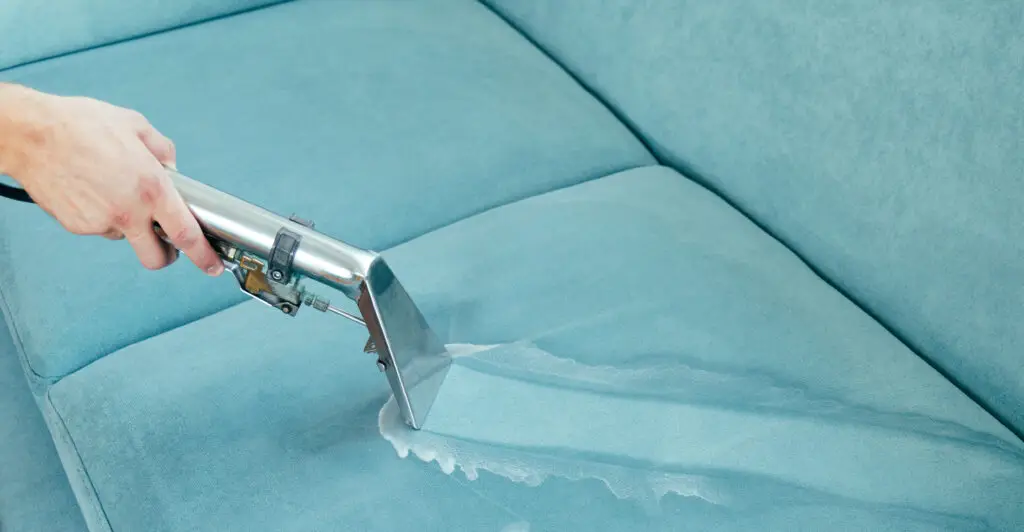
A milk spill on a suede couch can feel like a major disaster. Suede, with its unique soft, napped texture, is notoriously delicate and prone to water stains, making liquid spills particularly challenging. However, with quick action and the right techniques, you can often mitigate the damage and restore your couch’s beautiful finish. Quality Cleaning Services specializes in delicate upholstery cleaning, providing the expertise needed to handle even the trickiest fabrics like suede.
Cleaning milk off a suede couch requires a delicate touch and precise methods to avoid damaging its unique texture and prevent lasting stains or odors.
Why suede is tricky to clean
Suede’s luxurious feel comes from its distinctive napped surface, which also makes it a challenging material to clean:
- Porous Nature: Suede is a type of leather made from the underside of animal hide. Its open, porous nature means it readily absorbs liquids. Spills penetrate quickly, making them difficult to extract.
- Water Stains: Even plain water can leave dark spots or rings on suede because it causes the fibers to stiffen and clump together, altering the nap. This makes water-based cleaning risky.
- Nap Damage: Vigorous rubbing or harsh brushes can permanently flatten, mat, or dislodge the delicate fibers, ruining the suede’s signature soft texture.
- Odor Absorption: Being an animal hide, suede can absorb odors, especially from spills like milk that contain proteins and fats. If not thoroughly cleaned and dried, it can develop a sour smell.
- Oil/Grease Absorption: Suede also readily absorbs oils and greases, which can leave dark, sticky marks that attract more dirt. Milk contains fats that can contribute to this.
Because of these sensitivities, most suede furniture will have an upholstery cleaning code of “S” (solvent-based cleaning only) or sometimes “X” (professional cleaning only). Always check your couch’s tag before attempting any cleaning.
What to do immediately after a spill
Speed is absolutely critical when milk (or any liquid) spills on suede. The faster you act, the less chance the liquid has to penetrate and set.
- Act Immediately (Do NOT Rub!): The moment the spill happens, grab clean, absorbent materials. Do NOT rub the spill, as this will spread it, push it deeper into the fibers, and damage the nap.
- Blot, Blot, Blot: Use clean, white, absorbent paper towels or a clean, white microfiber cloth. Gently but firmly press down onto the spill to absorb as much liquid as possible. Avoid colored cloths, as their dyes could transfer to the suede.
- Apply Absorbent Powder (Crucial): Immediately after blotting up the liquid, generously sprinkle an absorbent powder over the entire wet area. Good options include:
- Cornstarch
- Baking Soda
- Talcum Powder (unscented) These powders will help soak up the remaining moisture and absorb fats and odors from the milk.
- Let It Sit: Allow the powder to sit on the stain for at least 15-30 minutes, or ideally, several hours (even overnight for a larger spill). The longer it sits, the more moisture and oil it will absorb.
- Gently Vacuum/Brush: Once the powder has fully absorbed the liquid and the area appears dry, gently vacuum up the powder using your vacuum’s brush attachment or a soft-bristle brush. Be careful not to press too hard or rub.
Best suede-friendly cleaning methods
After the immediate absorption, you may need to address any remaining residue or discoloration.
- For Remaining Residue/Light Stains (after powder treatment):
- Suede Brush: Use a dedicated suede brush (often has brass wire bristles on one side and rubber on the other) to gently brush the affected area. Brush in small, circular motions, then in one direction, to lift and restore the nap. This can often dislodge any dried milk residue.
- Pencil Eraser: For stubborn spots, a clean, white art gum eraser or a suede eraser (specifically made for suede) can be gently rubbed over the stain. The eraser helps “lift” the stain and restore the nap.
- For Dry/Set-In Stains (or if blotting/powder wasn’t enough):
- Suede Cleaner (Solvent-Based): If your suede couch has an “S” cleaning code, you will need a commercial suede cleaner, which is typically solvent-based.
- Test First: Always test the product on an inconspicuous area (e.g., back of a cushion) to ensure no discoloration or damage.
- Application: Apply a small amount of the cleaner to a clean, white cloth (do NOT apply directly to the suede).
- Blot/Dab: Gently dab or blot the stain with the moistened cloth. Work from the outside of the stain inwards.
- Brush: After cleaning, use a suede brush to restore the nap.
- Ventilation: Use solvent-based cleaners in a well-ventilated area.
- Suede Cleaner (Solvent-Based): If your suede couch has an “S” cleaning code, you will need a commercial suede cleaner, which is typically solvent-based.
- For Dried, Crusted Milk:
- Gently Scrape: If the milk has dried into a hard crust, very carefully and gently scrape off the excess using the dull edge of a butter knife or a credit card. Do this with extreme care to avoid damaging the suede.
- Follow with Absorbent Powder: Proceed with the absorbent powder method as described above to draw out remaining moisture and oils.
- Suede Brush/Eraser: Use a suede brush or eraser to clean any remaining marks and restore the nap.
What to AVOID at all costs:
- Water-Based Cleaners (unless specified by code): Do not use water, soap and water solutions, or steam cleaners unless your suede specifically has a “W” or “WS” cleaning code (which is rare for true suede) AND you’ve tested it. Water is the enemy of suede.
- Harsh Brushes or Scrubbing: Never use stiff brushes (other than a dedicated suede brush used gently), steel wool, or abrasive pads.
- Rubbing: This cannot be stressed enough. Blotting is key.
- Harsh Chemicals: Bleach, ammonia, or strong detergents can cause irreversible damage and discoloration.
- Excessive Heat: Do not use hair dryers or direct heat to dry suede, as it can stiffen and shrink the leather. Allow it to air dry naturally.
Preventing odors and mold
If milk has seeped deeply into the suede, preventing odors and potential mold growth is crucial.
- Thorough Drying: After cleaning, ensure the suede is completely dry. Use fans (not heat) to circulate air around the couch and speed up the drying process. Good ventilation in the room is essential.
- Odor Absorbers:
- Baking Soda: After the area is dry, sprinkle a generous amount of baking soda over the affected spot. Let it sit for several hours or overnight to absorb any residual odors. Then, gently vacuum it up.
- Activated Charcoal: Small bags of activated charcoal can be placed near the affected area to absorb lingering smells.
- Professional Help: If a strong sour milk odor persists after cleaning and thorough drying, or if you suspect the spill saturated the couch’s padding, professional upholstery cleaning may be necessary. They have specialized equipment and chemicals to address deep-set odors and moisture.
- Monitor for Mold: Check the area for any signs of mold growth (musty smell, discoloration, fuzzy spots) over the next few days. If mold appears, professional remediation is strongly recommended.
Suede maintenance tips
Regular care can help keep your suede couch looking its best and make future spills less disastrous.
- Regular Vacuuming: Use your vacuum’s brush attachment to gently vacuum the entire couch weekly. This removes dust, dirt, and loose particles that can dull the suede and contribute to stains.
- Brush the Nap: Use a suede brush regularly (e.g., once a week or bi-weekly) to gently lift and restore the nap, keeping the suede soft and uniform.
- Protect from Spills:
- Avoid Eating/Drinking: Try to enforce a strict “no food or drink” policy on the suede couch.
- Suede Protector Spray: Consider applying a suede protector spray (test on an inconspicuous area first). These sprays create a barrier that repels liquids, giving you more time to blot up spills before they penetrate.
- Avoid Direct Sunlight and Heat: Prolonged exposure to direct sunlight can fade and dry out suede. Keep the couch away from heat sources like radiators.
- Fluff Cushions: Regularly fluff and rotate cushions to maintain shape and even out wear.
- Professional Cleaning: Even with diligent home care, suede will benefit from professional cleaning every 1-2 years to remove embedded dirt and oils. Quality Cleaning Services offers specialized upholstery cleaning services, using methods safe for delicate fabrics like suede to refresh and extend the life of your furniture.
Cleaning milk from a suede couch is challenging, but with the right immediate action, gentle techniques, and consistent maintenance, you can keep your beautiful furniture looking pristine. For peace of mind and expert results, especially for stubborn stains or overall deep cleaning, trust Quality Cleaning Services to care for your delicate upholstery.
