
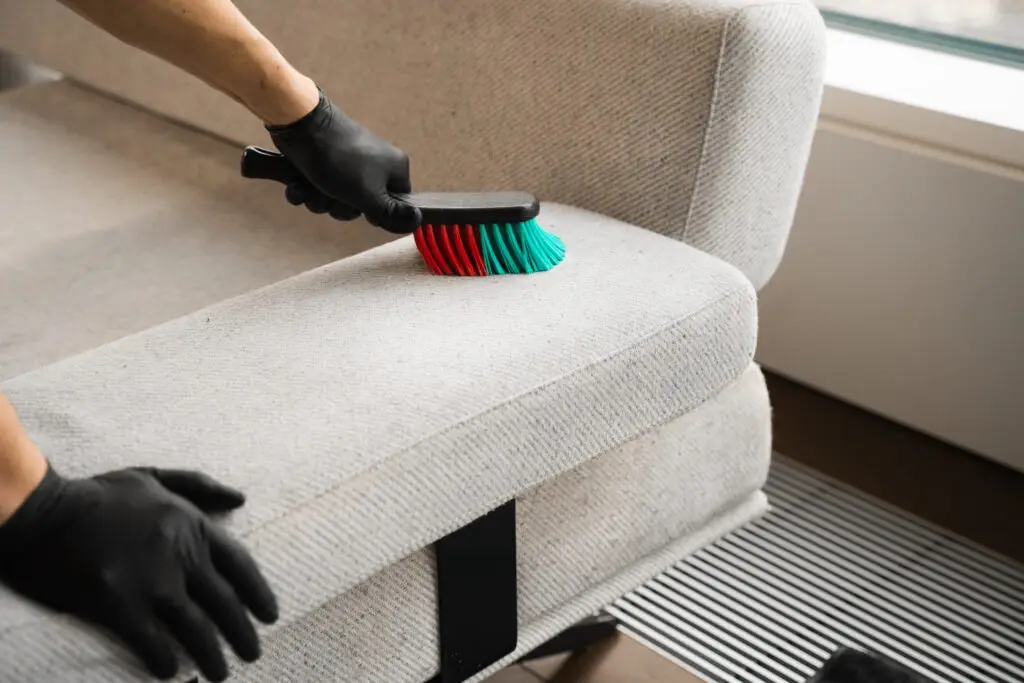
Polyester fiber couches are a popular choice for their durability, affordability, and often, their surprising resistance to stains. Unlike delicate natural fibers, polyester is a synthetic workhorse, making it ideal for busy households with kids and pets. However, even the toughest fabrics require proper care to maintain their appearance. Understanding the nuances of polyester cleaning is key to keeping your couch looking fresh. Quality Cleaning Services specializes in upholstery care, helping you keep your polyester couch clean and vibrant for years to come.
Polyester couches are celebrated for their resilience, but effective cleaning ensures they stay a comfortable and attractive centerpiece in your home. With the right approach, stain removal and routine maintenance are surprisingly straightforward.
Understanding the fabric: Pros and cons
Polyester is a synthetic fabric widely used in upholstery due to its advantageous properties. However, it also has a few quirks to be aware of.
Pros of polyester upholstery:
- Durability: Polyester is a strong, synthetic fiber, making it highly resistant to tearing, stretching, and wrinkling. This means your couch can withstand daily wear and tear.
- Stain Resistance: Polyester fibers are naturally hydrophobic, meaning they repel water and resist absorption of many liquid spills. This makes it easier to blot up spills before they set.
- Fade Resistance: It generally holds color well and is less prone to fading from sunlight exposure compared to many natural fibers.
- Affordability: Polyester couches are often more budget-friendly than those made from natural materials like linen or cotton.
- Resistance to Mildew and Moths: As a synthetic, polyester is naturally resistant to mildew, mold, and insect damage.
Cons of polyester upholstery:
- Oleophilic (Attracts Oils): While it repels water, polyester has an affinity for oils and greasy stains. These can be more challenging to remove and can cause permanent dark spots if not treated quickly.
- Heat Sensitivity: Polyester can be sensitive to high heat. Excessive heat can melt or damage the fibers, causing them to flatten, distort, or become shiny. This is important for steam cleaning.
- Pilling: Over time, friction can cause small balls of fiber (pills) to form on the surface, especially in high-traffic areas.
- Static Electricity: Polyester can sometimes generate static electricity, which might attract dust and pet hair.
- “Crushed” Look: If not properly cared for, especially when damp, the fibers can “crush” or mat, altering the texture.
Crucial First Step: Check the Cleaning Code! Before attempting any cleaning, always check the cleaning code tag on your couch (usually found under a cushion or on the underside of the frame). This code dictates the safe cleaning methods:
- “W” (Water-based): You can use water-based cleaners. This is common for polyester.
- “S” (Solvent-based): Use only solvent-based cleaners (water can cause stains or damage).
- “WS” (Water or Solvent-based): You can use either water or solvent-based cleaners.
- “X” (Professional cleaning only): No water or solvent. Vacuum only.
Most polyester couches are “W” or “WS,” making them relatively easy to clean with water-based solutions.
Daily cleaning and dust removal
Regular maintenance is the easiest way to keep your polyester couch looking fresh and minimize the need for heavy-duty cleaning.
- Vacuum Regularly: At least once a week, use your vacuum cleaner’s upholstery attachment (a soft brush attachment is ideal). Gently vacuum the entire couch, including cushions, crevices, and under cushions, to remove dust, crumbs, pet hair, and loose dirt. This prevents particles from embedding into the fibers.
- Fluff and Rotate Cushions: Daily fluffing and weekly rotating of seat and back cushions (if removable) help maintain their shape, prevent uneven wear, and ensure air circulation.
- Brush the Fabric: If your polyester has a visible nap or texture, a soft-bristle brush (like a clothes brush or a soft upholstery brush) can be gently used to brush the fibers in one direction, helping to restore the texture and remove surface debris.
- Quick Wipe-Down: For general dust or very light surface grime, a quick wipe with a clean, dry (or barely damp) microfiber cloth can be effective.
Spot cleaning food, drink, and pet stains
Polyester’s stain resistance is a huge advantage, but quick action is still key. Always blot, never rub, and test your cleaning solution in an inconspicuous area first.
- Act Immediately: For any liquid spill, immediately blot with a clean, white, absorbent cloth or paper towel. Press firmly but gently to absorb as much liquid as possible. Do NOT rub, as this spreads the stain and can damage the fabric.
- General Liquid Stains (e.g., Juice, Soda, Coffee, Tea – for “W” or “WS” codes):
- Solution: Mix 1/4 teaspoon of clear, dye-free mild dish soap (like Dawn) with 1 cup of warm water.
- Application: Dampen a clean, white cloth with the solution. Gently blot the stain, working from the outside edge towards the center. Apply sparingly to avoid over-wetting.
- Rinse: Use a separate clean cloth dampened with plain cool water to blot the area and rinse out all soap residue. Remaining soap can attract dirt later.
- Dry: Blot dry with a fresh, clean white cloth. If possible, use a fan to aid air drying, or place a stack of paper towels weighted down on the damp spot to wick away remaining moisture.
- Oil/Grease Stains (e.g., Butter, Lotion, Food Grease):
- Absorbent Powder: For fresh grease, sprinkle a generous amount of an absorbent powder like cornstarch or baking soda directly onto the stain.
- Dwell Time: Let it sit for at least 15-30 minutes (or several hours for set-in stains) to absorb the oil.
- Remove: Gently vacuum or brush away the powder.
- Follow-up (for “W” or “WS”): If a mark remains, follow with the mild dish soap solution. For more stubborn oil stains (and “S” code), a small amount of a dry cleaning solvent on a clean white cloth can be blotted onto the stain (test first).
- Pet Stains (Urine, Vomit, Feces):
- Remove Solids: Carefully remove any solid waste.
- Blot Liquid: Blot liquid urine with paper towels, pressing firmly to absorb as much as possible.
- Enzymatic Cleaner: Saturate the stained area with an enzymatic pet odor and stain remover that is safe for upholstery (test first!). These break down organic matter and neutralize odors. Follow product instructions carefully for dwell time.
- Blot & Rinse: Blot with a clean cloth, then rinse thoroughly by blotting with a clean, damp cloth.
- Dry: Blot dry. The enzymatic cleaner continues to work as it dries.
- Ink Stains:
- Rubbing Alcohol (for “W” or “WS” code): Apply rubbing alcohol to a clean white cloth and gently blot the ink. The ink should transfer to the cloth.
- Rinse & Dry: Blot with a clean, damp cloth, then blot dry.
Can you steam clean a polyester couch?
The answer to whether you can steam clean a polyester couch depends heavily on its cleaning code and the type of steam cleaner used.
- “W” and “WS” Codes: Generally, yes, a polyester couch with a “W” or “WS” cleaning code can be steam cleaned using a professional hot water extraction machine (often called “steam cleaning”) or a home fabric steamer/carpet extractor.
- Caution with Heat: While polyester is durable, it is heat-sensitive. Avoid excessive heat or prolonged direct contact with very hot steam. Use lower heat settings if available, and keep the steam nozzle moving.
- Avoid Over-Wetting: Do not over-saturate the fabric. The goal is to clean and extract moisture quickly to prevent water marks or mildew.
- Always Extract/Dry Thoroughly: After applying any moisture, ensure thorough extraction (with a machine) or blotting and fanning to dry completely.
- “S” Code: Absolutely NOT. Steam cleaning involves water, which will likely damage an “S” coded polyester couch, potentially causing water stains, shrinkage, or texture changes. These couches require solvent-based professional cleaning.
- “X” Code: Absolutely NOT. These can only be vacuumed or professionally cleaned using specialized dry methods.
When DIY Steam Cleaning:
- Use a handheld fabric steamer or a small carpet extractor/upholstery cleaner.
- Test on an inconspicuous spot first.
- Use distilled water to prevent mineral deposits.
- Keep the steamer moving to avoid heat damage.
- Extract as much moisture as possible and allow for complete air drying with good ventilation.
Maintaining texture and color
Beyond cleaning stains, regular care helps maintain your polyester couch’s vibrant color and pleasant texture.
- Protect from Direct Sunlight: While fade-resistant, prolonged, intense direct sunlight can still cause some fading over many years. Position your couch away from direct sun or use blinds/curtains during peak hours.
- Address Pilling: If pills (small fabric balls) form, gently remove them with a fabric shaver (a specialized device for this purpose) or a sharp pair of scissors, carefully snipping them off. Do not pull them.
- Brush the Fabric: For polyester fabrics with a nap or textured weave, periodically (e.g., monthly) brush the fabric gently with a soft-bristle brush in a consistent direction to restore its texture and prevent matting.
- Avoid Harsh Abrasives: Do not use stiff brushes or abrasive cleaning pads, as these can damage the fibers and alter the couch’s texture.
- Professional Cleaning: Even with diligent home care, professional cleaning every 12-18 months (or more frequently for busy households) is recommended for polyester couches. Professionals have powerful extraction equipment that can remove embedded dirt and oils that DIY methods can’t reach, restoring overall brightness and extending the life of your furniture. Quality Cleaning Services offers expert upholstery cleaning that safely deep cleans polyester, maintaining its texture and color without risking damage.
Polyester couches are a smart investment for a busy lifestyle, offering resilience and easy maintenance. By understanding their unique properties and committing to a routine of care and timely stain removal, you can ensure your couch remains a beautiful, comfortable, and clean cornerstone of your home for years to come.
