
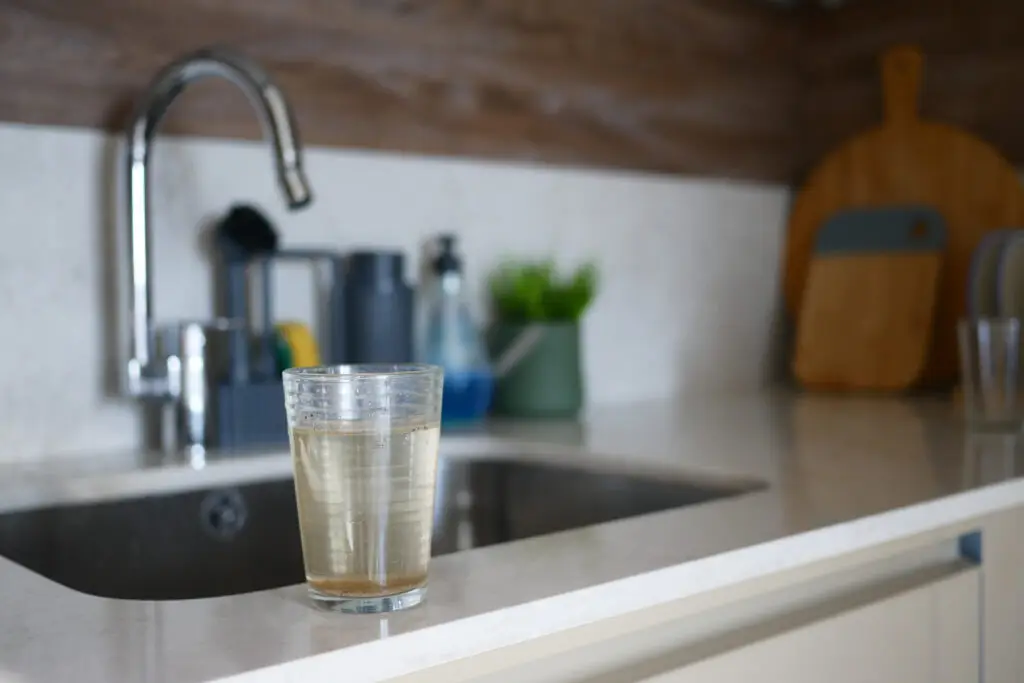
Rust stains on glass can be particularly frustrating, marrying the clarity and shine of windows, shower doors, or glass tabletops. These stubborn orange and brown marks often seem impossible to remove without scratching the surface. However, with the right approach and gentle cleaning agents, you can effectively lift these unsightly blemishes and restore your glass to its sparkling best. Quality Cleaning Services understands the challenge of tough stains and offers expert solutions to bring clarity back to your home’s glass surfaces.
Rust stains on glass don’t have to be permanent. By understanding their cause and using safe, effective removal methods, you can bring back the clarity and shine to your glass surfaces.
Common causes of rust stains on glass
Rust stains on glass are typically a result of metallic oxidation reacting with moisture. Understanding the source can help prevent future occurrences:
- Metal Fixtures and Hardware: The most common culprit in bathrooms. Rusty shower caddies, metal frames around shower doors, rusty screws, or even metal trim on tiles can leach rust onto adjacent glass surfaces when exposed to water.
- Hard Water: Water with high mineral content (especially iron) can leave behind rust-colored deposits when it evaporates. This is particularly common in areas with well water or older plumbing systems.
- Aerosol Rust Particles: Microscopic rust particles from nearby metal objects (e.g., old window screens, metal patio furniture) can become airborne and settle on glass surfaces, then oxidize when exposed to humidity or rain.
- Metal Utensils/Tools: Leaving rusty metal objects (e.g., gardening tools on a glass patio table, metal cans on a glass shelf) on glass, especially in humid environments, can lead to direct rust transfer.
- Rusty Water Runoff: Water running off rusty outdoor fixtures, railings, or even old bricks can carry rust particles onto windows or glass doors.
Safe rust removal products
When choosing a commercial rust remover for glass, look for products designed to be gentle on surfaces while effectively tackling rust.
- Oxalic Acid-Based Cleaners: Many rust removers designed for bathroom surfaces (tiles, porcelain) contain oxalic acid. These are generally effective on rust without being overly harsh on glass, but always read the label to ensure it’s safe for glass and test in an inconspicuous area first.
- Application: Apply the product according to instructions, often letting it sit for a few minutes before scrubbing gently with a non-abrasive sponge or cloth. Rinse thoroughly.
- Rust-Specific Gels/Pastes: Some brands offer rust removers in gel or paste form, which cling better to vertical glass surfaces (like shower doors) allowing for longer dwell time without dripping.
- CLR (Calcium, Lime, Rust Remover): While effective, CLR is quite strong and acidic. If using on glass, dilute it more than recommended for other surfaces, apply with a cloth, keep contact time very short (minutes), and rinse extremely thoroughly to avoid any potential etching, especially on tempered glass. Always test first.
- Baking Soda Paste: While often considered a “natural” method, a thick paste of baking soda and water can act as a gentle abrasive.
- Application: Apply the paste to the rust stain. Let it sit for 15-30 minutes. Gently scrub with a non-abrasive cloth or sponge (e.g., micro-fiber, soft scrubbing pad). Rinse well.
Important Safety Precautions:
- Wear Gloves: Always wear protective gloves when using commercial rust removers.
- Ventilation: Ensure good ventilation in the area you are working in.
- Read Labels: Always read and follow the product’s instructions and safety warnings.
- Test First: Before applying any product to a large area, test it on a small, inconspicuous spot to ensure it doesn’t cause discoloration or damage.
- Avoid Abrasives: Never use steel wool, abrasive scouring pads, or harsh powders, as these will scratch the glass.
Natural cleaning methods that work
For those who prefer eco-friendly solutions or want to try gentler methods first, several natural options can effectively remove rust from glass.
- Lemon Juice and Salt: This is a classic and often highly effective natural remedy. The acid in lemon juice helps dissolve the rust, and the salt acts as a mild abrasive.
- Method: Squeeze fresh lemon juice directly onto the rust stain. Sprinkle a generous amount of table salt over the lemon juice, ensuring the salt adheres to the wet area. Let it sit for at least 1-2 hours, or even overnight for stubborn stains. The longer it sits, the more it can work.
- Scrub & Rinse: After the dwell time, gently scrub the area with a non-abrasive sponge or cloth. The salt crystals will help loosen the rust. Rinse thoroughly with clean water and dry the glass.
- White Vinegar: White vinegar is an effective mild acid for rust removal.
- Method: Soak a paper towel or cloth in undiluted white vinegar and place it directly over the rust stain, ensuring it stays saturated. Leave it for several hours or overnight.
- Scrub & Rinse: Gently scrub the area with a non-abrasive sponge. Rinse thoroughly with clean water and dry.
- Baking Soda and Vinegar Paste: Combining these two can create a powerful fizzing action that helps lift stains.
- Method: Make a thick paste with baking soda and a small amount of water. Apply it to the rust stain. Then, spray or dab white vinegar over the baking soda paste. It will fizz. Let it sit for 15-30 minutes.
- Scrub & Rinse: Gently scrub with a non-abrasive sponge or cloth. Rinse well and dry.
Tip: For stubborn stains with natural methods, repeat the process. Patience is key.
Preventing future rust buildup
Prevention is always easier than cleaning. By addressing the sources of rust, you can keep your glass clear.
- Inspect and Replace Rusty Fixtures: Regularly check shower caddies, soap dishes, towel racks, and other metal items in your bathroom. If they show signs of rust, replace them with rust-proof alternatives (stainless steel, plastic, chrome, bamboo, or coated metals).
- Dry Surfaces After Use: In showers, wipe down glass doors and walls with a squeegee or microfiber cloth after every use. This removes water and lingering soap scum before mineral deposits or rust particles can dry and cling to the glass.
- Address Hard Water: If you have hard water, consider installing a water softener for your home. This will reduce mineral buildup not just on glass but on all fixtures and surfaces. Alternatively, use a daily shower spray designed to prevent hard water spots.
- Use Non-Corrosive Cleaners: Stick to pH-neutral or specifically designed glass/bathroom cleaners that don’t contribute to rust formation or leave residues that attract it.
- Protect Outdoor Glass: For outdoor glass tables or windows near metal, ensure metal items (like plant pots, tools, or furniture legs) are not left directly on the glass, especially when wet. If possible, replace rusty screens or outdoor fixtures.
- Ventilation: Good ventilation in bathrooms helps dry out the air and surfaces faster, reducing the time water has to react with metals and cause rust.
When to replace vs Clean glass
While most rust stains can be removed with effort, there are instances when cleaning might not be the best or most practical solution.
- Deeply Etched Glass: If the rust stain has been present for a very long time, especially in combination with hard water, it might have chemically etched the glass surface, meaning the glass itself is damaged, not just stained. In such cases, cleaning may improve the appearance but won’t restore perfect clarity, and replacement might be the only option.
- Scratched or Damaged Glass: If the glass is already heavily scratched, cracked, or otherwise damaged, cleaning rust may highlight these imperfections or not be worth the effort.
- Severe, Pervasive Rust: If rust stains are widespread, covering large areas, and are very dark or thick, the labor and cost of repeated cleaning attempts might outweigh the cost of replacement, especially for smaller panes or shower doors.
- Underlying Structural Rust: If the rust is originating from within the window frame itself (e.g., old metal frames, internal supports) or a structural component, simply cleaning the glass won’t solve the recurring problem. In such cases, addressing the structural issue and potentially replacing the glass is necessary.
- Time and Effort vs. Cost: For some homeowners, the sheer amount of time and effort required to remove extensive or stubborn rust stains may make replacement a more appealing option, particularly if they value their time highly.
For challenging rust stains or if you’re unsure about the extent of the damage, Quality Cleaning Services can assess the situation and provide professional cleaning or advise on the best course of action. We can often achieve results that DIY methods cannot, restoring clarity and shine to your glass surfaces.
Don’t let rust diminish the beauty of your glass. With patience, the right tools, and a proactive approach, you can keep your glass surfaces clear and gleaming. For tough stains or comprehensive home cleaning, trust Quality Cleaning Services to bring out the best in your home.
