
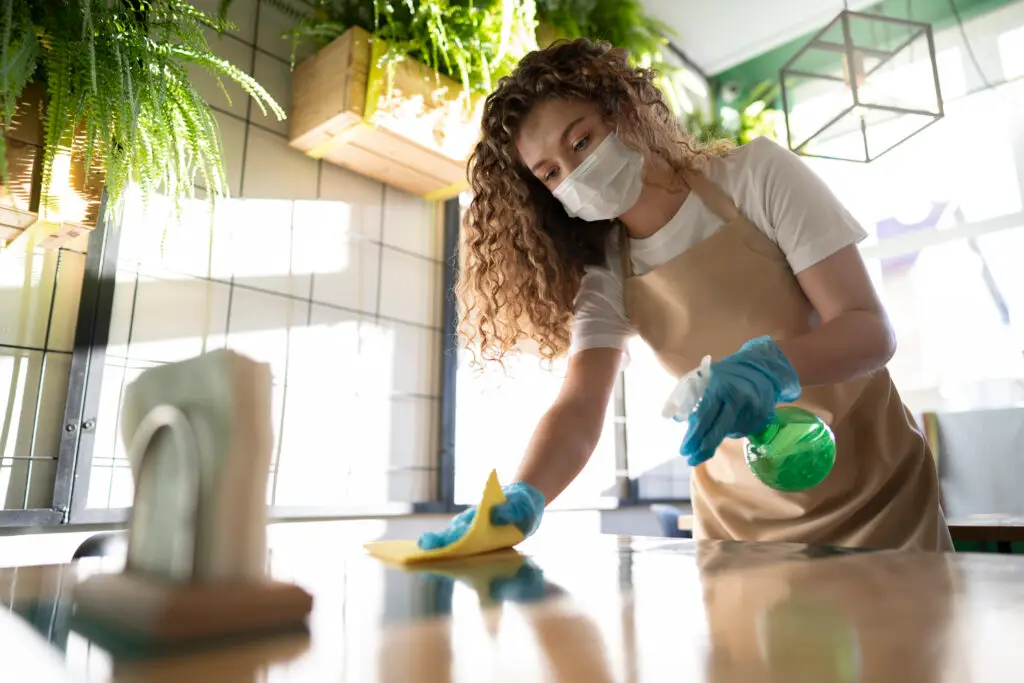
A clean home is often associated with visual appeal and order, but its benefits extend far beyond what meets the eye. One of the most significant, yet often overlooked, advantages of a consistently clean living space is vastly improved indoor air quality. For families, breathing clean air inside your home is fundamental to health and well-being. Quality Cleaning Services understands the direct link between a tidy environment and healthy indoor air, offering recurring cleaning solutions that actively work to purify your home’s atmosphere.
Beyond sparkling surfaces, regular professional cleaning plays a vital role in reducing airborne pollutants, allergens, and irritants, creating a healthier breathing environment for you and your family.
Why indoor air quality matters for health
The air inside our homes can be significantly more polluted than outdoor air, a startling fact given how much time we spend indoors. Poor indoor air quality (IAQ) can have a wide range of short-term and long-term health consequences:
- Respiratory Issues: Exposure to airborne irritants can trigger or worsen asthma, allergies, bronchitis, and other respiratory conditions. Symptoms include coughing, wheezing, shortness of breath, and chest tightness.
- Allergic Reactions: Common allergens like dust mites, pet dander, pollen, and mold spores can cause sneezing, runny nose, itchy eyes, skin rashes, and fatigue.
- Headaches and Fatigue: Poor ventilation and a buildup of pollutants can lead to general malaise, including headaches, dizziness, and chronic fatigue.
- Skin and Eye Irritation: Dust and chemical residues in the air can cause irritation to the skin and eyes.
- Increased Illness: A home laden with dust and germs can contribute to the spread of common colds and other illnesses.
- Long-Term Health Risks: Prolonged exposure to certain indoor pollutants (e.g., volatile organic compounds from cleaning products, formaldehyde from furniture) can be linked to more serious long-term health problems.
Common household pollutants and allergens
Our homes are often filled with a surprising array of microscopic particles that impact the air we breathe:
- Dust and Dust Mites: Dust is a complex mix of dead skin cells, pet dander, textile fibers, pollen, soil particles, and more. Dust mites, microscopic creatures that thrive in dust, are a major trigger for allergies and asthma.
- Pet Dander: Tiny flakes of skin shed by pets are powerful allergens that can remain airborne for long periods and settle on surfaces throughout the home.
- Mold and Mildew Spores: These fungi thrive in damp environments and release microscopic spores into the air, causing allergic reactions, respiratory problems, and even infections in susceptible individuals.
- Pollen: Tracked in from outside, pollen settles on surfaces and becomes airborne, causing seasonal allergy symptoms.
- Volatile Organic Compounds (VOCs): These are gases emitted from various solids or liquids, including many household cleaning products, paints, air fresheners, furniture, and building materials. VOCs can cause short-term irritation and long-term health issues.
- Bacteria and Viruses: Airborne germs can spread through a home, especially if surfaces are not regularly disinfected.
- Particulates: Tiny airborne particles from cooking, candles, fireplaces, or outdoor pollution (e.g., car exhaust) can settle indoors and contribute to respiratory issues.
How dust, mold, and pet dander build up over time
These common allergens and pollutants don’t just appear overnight; they accumulate progressively, often unnoticed, until they reach significant levels.
- Dust: Every time we move, open a window, or even just exist, dust particles are shed and stirred. Gravity eventually pulls them onto surfaces, but foot traffic and air currents easily make them airborne again. Without regular removal, layers of dust accumulate on every surface, from floors and furniture to blinds and ceiling fans.
- Mold and Mildew: While often associated with bathrooms, mold spores are ubiquitous. They become a problem when they land on damp surfaces (e.g., leaky pipes, condensation around windows, humid basements, uncleaned showers) and find a food source. Once established, they rapidly multiply and release more spores, exacerbating the problem.
- Pet Dander: Pets constantly shed microscopic skin flakes and hair. This dander embeds itself in carpets, upholstery, bedding, and even clings to walls. Because it’s so fine, it remains airborne easily, contributing to a constant level of allergens in the air.
Without consistent cleaning, these elements become a constant part of your indoor air, recirculating and exacerbating allergic and respiratory symptoms.
Benefits of regular cleaning for air quality
Recurring cleaning isn’t just about tidiness; it’s a proactive health measure. Here’s how it directly improves your indoor air:
- Reduced Dust and Allergens: Regular dusting (especially with damp cloths or microfiber) and vacuuming (with HEPA filters) remove significant amounts of dust, dust mites, pet dander, and pollen from surfaces, preventing them from becoming airborne.
- Mold and Mildew Prevention: Consistent cleaning, particularly in moisture-prone areas like bathrooms and kitchens, eliminates the food sources and conditions mold needs to thrive. Disinfecting surfaces kills existing mold spores before they can spread.
- Elimination of Germs: Regular disinfection of high-touch surfaces (doorknobs, light switches, countertops) reduces the spread of bacteria and viruses, leading to fewer airborne germs.
- Improved Airflow: A less cluttered home allows for better air circulation, which helps dissipate pollutants and reduces stagnant air pockets where allergens can concentrate.
- Reduced Chemical Buildup: While some cleaners contain VOCs, professional cleaners often use high-quality, effective products that, when used correctly and rinsed thoroughly, minimize lingering chemical residues that can affect air quality. Some services also offer eco-friendly options.
- Comprehensive Cleaning: Recurring cleaning services tackle areas often overlooked in daily tidying, such as baseboards, blinds, and ceiling fans, where dust and allergens accumulate heavily.
Areas of the home that impact breathing the most
While all areas benefit from cleaning, some parts of your home are particularly critical for improving indoor air quality due to their function or material makeup:
- Carpets and Rugs: These act as giant filters, trapping dust, dirt, pet dander, and allergens. If not regularly vacuumed (with a HEPA filter) and professionally cleaned, they become significant reservoirs of pollutants that are easily released into the air with foot traffic.
- Upholstered Furniture: Sofas, chairs, and other upholstered items similarly trap dust, dander, and allergens. Regular vacuuming and occasional professional cleaning are essential.
- Bedrooms: We spend a significant portion of our time in bedrooms. Bedding, mattresses, and pillows accumulate dust mites, dead skin cells, and dander. Regular washing of bedding and vacuuming the bedroom floor and furniture are vital.
- Bathrooms: High humidity makes bathrooms prime breeding grounds for mold and mildew. Thorough and regular cleaning of showers, tubs, sinks, and toilets, along with good ventilation, prevents spore proliferation.
- Kitchens: Cooking produces airborne grease and food particles. Improper cleaning can lead to grease buildup on surfaces, which attracts dust, and food debris can harbor bacteria and mold.
- HVAC Vents and Filters: These are direct pathways for air circulation. Dirty vents accumulate dust, which then gets blown into the air. Regularly cleaning vents and changing HVAC filters (monthly or quarterly) is critical for air quality.
- Blinds and Curtains: These textile surfaces are dust magnets. Regular dusting or vacuuming (for blinds) and periodic washing or professional cleaning (for curtains) prevent dust from recirculating.
Hiring professionals vs DIY
While DIY cleaning is commendable, professional recurring cleaning services offer distinct advantages when it comes to consistently improving indoor air quality.
DIY cleaning:
- Pros: Cost-effective, flexible scheduling, direct control over products used.
- Cons: Time-consuming, physically demanding, limited access to specialized equipment (e.g., powerful vacuums with HEPA filters, carpet extractors, professional-grade disinfectants). It’s easy to miss hidden areas where pollutants accumulate. Can stir up dust if not done with proper techniques (e.g., dusting dry). Often focuses on visible cleanliness, not deep contaminant removal.
Hiring professionals (like Quality Cleaning Services):
- Pros:
- Expertise and Efficiency: Trained professionals understand where pollutants hide and use efficient techniques to remove them effectively.
- Specialized Equipment: Access to powerful, high-filtration vacuums, hot water extraction units for carpets and upholstery, and other tools that capture and remove embedded allergens and dirt more thoroughly than consumer-grade equipment.
- Reduced Airborne Particles: Professional methods (e.g., damp dusting, HEPA filtration) are designed to trap dust and allergens rather than simply redistributing them into the air.
- Deep Cleaning: Professionals tackle neglected areas like baseboards, ceiling fans, and inside appliances where dust and mold build up.
- Consistent Schedule: Recurring services ensure that these deep-cleaning tasks are performed regularly, preventing significant accumulation of pollutants.
- Time Savings: Frees up your valuable time, allowing you to focus on family, work, and personal well-being rather than extensive cleaning chores.
- Health Benefits: Contributes significantly to a healthier living environment, potentially reducing allergy and asthma symptoms for family members.
For families seeking to maintain not just a clean, but a genuinely healthy home environment, recurring cleaning services from Quality Cleaning Services are an investment in better indoor air quality and overall well-being. Let us help you breathe easier.
A truly clean home is one where the air feels fresh and free of hidden pollutants. By understanding the sources of indoor air contaminants and implementing consistent, effective cleaning strategies, you can transform your living space into a haven of health.
