
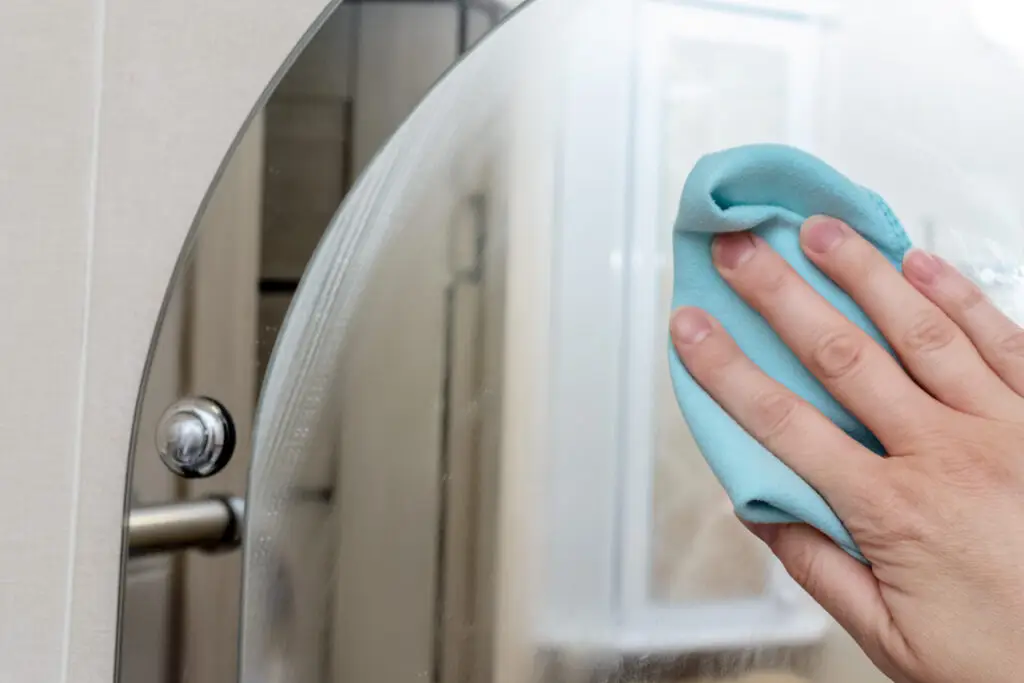
Achieving a perfectly clear, streak-free mirror can be a common household challenge. While many reach for a bottle of commercial glass cleaner as the go-to solution, it’s worth pausing to consider if it’s truly the best or safest option for your mirrors, especially in the long run. Understanding the properties of these cleaners and exploring alternatives can lead to more efficient cleaning and better mirror longevity.
Pros & cons of commercial glass cleaners
Commercial glass cleaners are ubiquitous in homes, offering both convenience and certain drawbacks.
- Pros:
- Convenience: They are readily available, easy to use, and come in a convenient spray bottle.
- Quick Shine (Initial): For light dust and smudges, they can provide a quick, temporary shine.
- Familiarity: Most homeowners are accustomed to using them, making them a default choice.
- Cons:
- Residue Buildup: Many commercial glass cleaners contain soaps, dyes, and other additives that can leave a thin, invisible film or residue on the mirror’s surface. Over time, this buildup attracts dust and grime, leading to a dull appearance and persistent, frustrating streaks.
- Streaking: The very chemicals designed to clean can often contribute to streaking, especially if not wiped away perfectly or if the cleaner dries too quickly.
- Chemical Exposure: Many traditional glass cleaners contain ammonia or other volatile organic compounds (VOCs). These chemicals can irritate respiratory systems, eyes, and skin, contributing to poorer indoor air quality.
- Cost: While seemingly inexpensive per bottle, the need for frequent reapplication due to residue can add up over time compared to more sustainable DIY methods.
Ammonia effects on mirror backing & frequent cleaning risks
One of the most significant concerns with using traditional glass cleaners on mirrors, particularly older ones, is the presence of ammonia.
- Ammonia and Mirror Backing: Many mirrors have a silvered backing that creates the reflective surface. This backing is protected by a thin layer of paint or sealant. Ammonia, a common ingredient in many glass cleaners, is an alkaline chemical that can be corrosive over time. If ammonia-based cleaners repeatedly seep behind the mirror’s edges or through tiny imperfections in the backing, they can deteriorate the silvering, leading to black spots, discoloration, or “desilvering” along the edges. This damage is irreversible.
- Frequent Cleaning Risks:
- Residue Accumulation: Even if a cleaner doesn’t contain ammonia, frequent use of products with soaps or dyes can lead to a significant buildup of residue. This film can become harder to remove over time, making mirrors appear perpetually hazy or streaky.
- Excess Moisture: Over-spraying or not drying thoroughly can allow excess moisture to seep behind the mirror, potentially causing damage to the backing, especially in humid environments like bathrooms.
- Compromised Longevity: While mirrors are designed to last, consistent exposure to harsh chemicals or improper cleaning techniques can shorten their lifespan and diminish their clarity.
Best alternatives for daily cleaning
For everyday mirror cleaning, simple, natural alternatives are often more effective and safer, providing a streak-free shine without the risks.
- White Vinegar Solution:
- Why it works: Distilled white vinegar contains acetic acid, a mild acid that effectively cuts through grease, grime, and mineral deposits without leaving behind a film. It evaporates cleanly.
- How to use: Mix equal parts distilled white vinegar and warm water in a spray bottle. Lightly mist the mirror and wipe with a clean microfiber cloth.
- Rubbing Alcohol (Isopropyl Alcohol):
- Why it works: Alcohol is excellent at dissolving oils, sticky residues (like hairspray or toothpaste), and it evaporates very quickly, leaving no streaks.
- How to use: For tough spots, dampen a clean microfiber cloth with 70% isopropyl alcohol and wipe. For a full clean, you can add 1/4 cup of rubbing alcohol to your vinegar-water solution for extra cleaning power and faster drying.
- Plain Water and Microfiber: For very light dust or fingerprints, sometimes all you need is a clean, damp microfiber cloth followed by a dry one. The unique fibers of microfiber cloths are highly effective at trapping dirt and moisture.
Pro recommendations from cleaning experts
Cleaning experts often advocate for techniques that prioritize effectiveness, safety, and longevity for your mirrors.
- Blot, Don’t Rub: Always blot up any liquid spills or heavy grime first. When cleaning, wipe gently rather than rubbing vigorously, which can push dirt deeper or spread it.
- Use Lint-Free Cloths: The type of cloth is crucial. Microfiber cloths are highly recommended due to their ability to trap dirt and moisture without leaving lint. Coffee filters or old, clean cotton rags (like t-shirts) are also excellent for streak-free buffing. Avoid paper towels, which leave fibers.
- Work Top to Bottom: Start cleaning at the top of the mirror and work your way down. This ensures that any drips are wiped away as you go, preventing them from drying and leaving marks.
- Dry Immediately and Thoroughly: This is perhaps the most critical step for streak-free results. As soon as you’ve applied your solution and wiped, immediately follow with a separate, clean, and completely dry cloth to buff the mirror until all moisture is gone. Any lingering moisture will dry into a streak.
- Avoid Over-Wetting: Use a light mist of your cleaning solution. Too much liquid can saturate the mirror’s edges and potentially seep behind the backing.
- Test New Solutions: Before applying any new cleaning solution to a visible area, always test it on a small, inconspicuous spot (e.g., a hidden corner or the back of a detached mirror) to ensure it doesn’t cause discoloration or damage.
When commercial products are useful vs. Natural methods
While natural methods are often superior for routine mirror cleaning, there are specific scenarios where commercial products might still have a place.
- When Commercial Products Are Useful:
- Heavy-Duty Cleaning: For mirrors with significant, stubborn buildup (e.g., years of accumulated grime, paint splatters, or construction residue) that natural methods struggle to remove, a specialized commercial glass cleaner designed for heavy-duty tasks might be necessary. Look for professional-grade, ammonia-free options if possible.
- Specific Stain Removal: Some commercial products are formulated with specific chemicals to tackle unique stains (e.g., rust, certain adhesives) that vinegar or alcohol might not fully address.
- Benefits of Natural Methods for Regular Use:
- Streak-Free Results: By avoiding residues, natural methods inherently lead to fewer streaks over time.
- Mirror Longevity: Ammonia-free solutions protect the mirror’s delicate backing, extending its life.
- Healthier Home: Reduces exposure to harsh chemicals, improving indoor air quality.
- Cost-Effective & Eco-Friendly: Uses inexpensive, readily available ingredients and reduces plastic waste.
For most daily and weekly mirror cleaning, natural methods with vinegar, water, and microfiber cloths are the most efficient and safest choice, leading to consistently sparkling, streak-free surfaces.
Tired of battling streaks and smudges on your mirrors? Let the experts handle it! At Quality Cleaning Services, we use professional techniques and eco-friendly solutions to ensure all your glass surfaces, including mirrors, sparkle flawlessly.
Contact Quality Cleaning Services today for a free estimate and discover the difference a truly professional clean can make in your home!
