
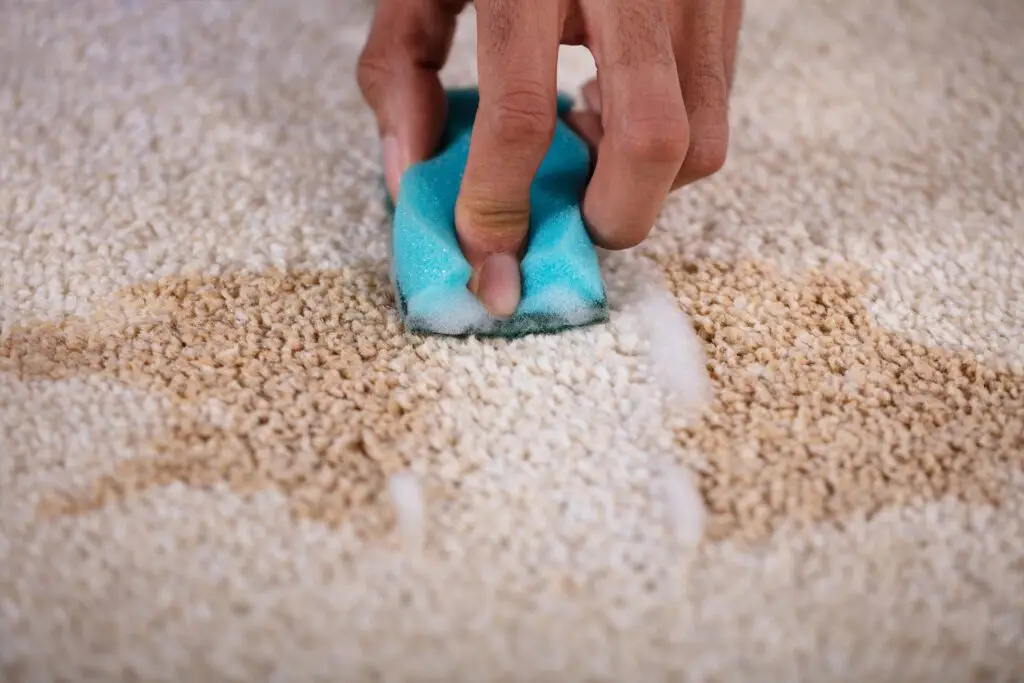
Chocolate stains on clothes can be a common and frustrating mishap, especially with children around. The combination of fats, sugars, and dyes in chocolate makes it a particularly stubborn stain to remove. However, with quick action and the right safe laundry solutions, you can often eliminate chocolate stains completely, restoring your garments to their pristine condition. This guide will walk you through effective DIY methods and when to consider professional help.
Scraping away excess and using cold water first
The immediate steps you take when a chocolate stain occurs are crucial for successful removal. Speed and the right water temperature are key.
- Act Immediately: The fresher the chocolate stain, the easier it will be to remove. As chocolate dries, its fats and dyes set into the fabric fibers, making it much more challenging to lift.
- Scrape Away Excess: Before applying any liquid, use a dull knife, spoon, or the edge of a credit card to gently scrape away any excess, solid chocolate from the fabric. Be careful not to spread the stain or push it deeper into the fibers.
- Use Cold Water Only: Always use cold water when treating chocolate stains. Hot water will “cook” the proteins and fats in the chocolate, causing them to set into the fabric permanently and making the stain nearly impossible to remove.
- Rinse from the Back: Turn the stained garment inside out. Hold the stained area under cold, running water, allowing the water to flow through the back of the stain. This helps to push the chocolate out of the fibers rather than pushing it deeper. Continue rinsing until the water runs clear.
Applying liquid detergent or enzyme cleaner directly
Once the initial scraping and rinsing are done, it’s time to apply a cleaning agent that can break down the chocolate’s components.
- Liquid Laundry Detergent:
- Why it works: Liquid laundry detergents contain surfactants that are effective at breaking down fats and oils, which are significant components of chocolate.
- How to use: After rinsing with cold water, apply a small amount of liquid laundry detergent directly to the stained area. Gently rub the detergent into the stain using your fingers or a soft-bristle brush (like an old toothbrush). Allow it to sit for 5-10 minutes. Do not let it dry.
- Enzyme Cleaner (Highly Recommended for Stubborn Stains):
- Why it works: Enzyme cleaners (often marketed as “pet stain removers” or “laundry pre-treatments” with enzymes) contain specialized enzymes that break down organic matter like proteins, starches, and fats found in chocolate. They are particularly effective for tough or set-in stains.
- How to use: After rinsing with cold water, apply an enzyme-based laundry pre-treater or stain remover directly to the stain. Ensure the product saturates the stained fibers. Allow it to sit for the time recommended on the product label, usually 15-30 minutes, or even up to an hour for very stubborn stains. Do not let it dry.
- Dish Soap (for greasy stains):
- Why it works: A good quality liquid dish soap (like Dawn) is excellent at cutting through grease.
- How to use: For chocolate stains that appear particularly greasy, you can apply a tiny drop of liquid dish soap directly to the stain after rinsing, gently rub it in, and then rinse again with cold water before proceeding with laundry detergent or enzyme cleaner.
Baking soda or vinegar soak for stubborn residue
For any lingering residue or to give the stain an extra boost, baking soda or vinegar can be used as a soak.
- Baking Soda Paste (for residual stain/odor):
- Why it works: Baking soda acts as a mild abrasive and can help absorb remaining oils and odors.
- How to use: After treating with detergent/enzyme cleaner and rinsing, if a faint stain remains, make a paste with baking soda and a small amount of cold water. Apply the paste directly to the stain and let it sit for 30 minutes to an hour. Once dry, gently brush off the paste.
- White Vinegar Soak (for discoloration or odor):
- Why it works: White vinegar’s mild acidity can help break down remaining stain particles and neutralize odors.
- How to use: For stubborn discoloration or a faint odor, you can create a soak. Mix 1 part distilled white vinegar with 2 parts cold water in a basin. Submerge the stained portion of the garment and let it soak for 30 minutes to an hour. After soaking, rinse thoroughly with cold water.
- Caution: While generally safe for most fabrics, always test vinegar on an inconspicuous area first, especially for delicate or brightly colored items.
Air dry: Avoid heat that sets stains permanently
Proper drying is a critical step that can make or break your stain removal efforts.
- Inspect Before Drying: After you’ve completed the cleaning steps and rinsed the garment, always inspect the stained area carefully to ensure the chocolate stain is completely gone. Hold the garment up to good light. If even a faint trace of the stain remains, do not put the item in the dryer.
- Air Dry Only (Until Stain is Gone): Heat from a dryer will permanently set any remaining chocolate stain into the fabric, making it virtually impossible to remove later.
- Hang the garment to air dry, or lay it flat on a clean towel.
- Allow it to dry completely.
- Repeat Treatment if Needed: If, after air drying, you still see a faint stain, repeat the entire cleaning process from the beginning (applying detergent/enzyme cleaner, soaking, rinsing). You may need to repeat the process a few times for very stubborn or old stains.
- Once Clean, Then Dry: Only when you are absolutely certain the stain is gone can you machine wash and dry the garment as usual according to its care label.
When to opt for professional stain removal
While DIY methods are highly effective for most chocolate stains, some situations warrant calling in the experts.
- Delicate or “Dry Clean Only” Fabrics: If the chocolate stain is on a delicate fabric like silk, wool, rayon, or an item labeled “dry clean only,” attempting DIY removal can cause irreversible damage (shrinkage, discoloration, fabric distortion). Professional dry cleaners have specialized solvents and techniques for these materials.
- Large or Old, Set-In Stains: If the chocolate stain is very large, has been on the garment for an extended period, or has already been subjected to heat (e.g., put through the dryer), it may be deeply set. Professionals have access to stronger, commercial-grade stain removers and specialized equipment (like professional spotters) that can often tackle these challenging stains.
- Valuable or Sentimental Items: For expensive clothing, heirlooms, or items with significant sentimental value, entrusting the stain removal to a professional minimizes the risk of accidental damage and maximizes the chances of complete removal.
- Uncertainty About Fabric Type: If you’re unsure about the fabric composition or how it will react to DIY solutions, a professional can assess the material and choose the safest, most effective treatment.
- Failed DIY Attempts: If you’ve tried multiple DIY methods and the stain persists, it’s time to call a professional. Further DIY attempts might only set the stain more or damage the fabric.
Don’t let chocolate stains ruin your favorite clothes. By acting quickly and using the right safe laundry solutions, you can often restore your garments. For those challenging stains or delicate items, remember that professional help is invaluable.
Ready to say goodbye to stubborn chocolate stains and restore your clothes to their pristine condition? Contact Quality Cleaning Services today for a free estimate on our professional laundry and stain removal services!
