
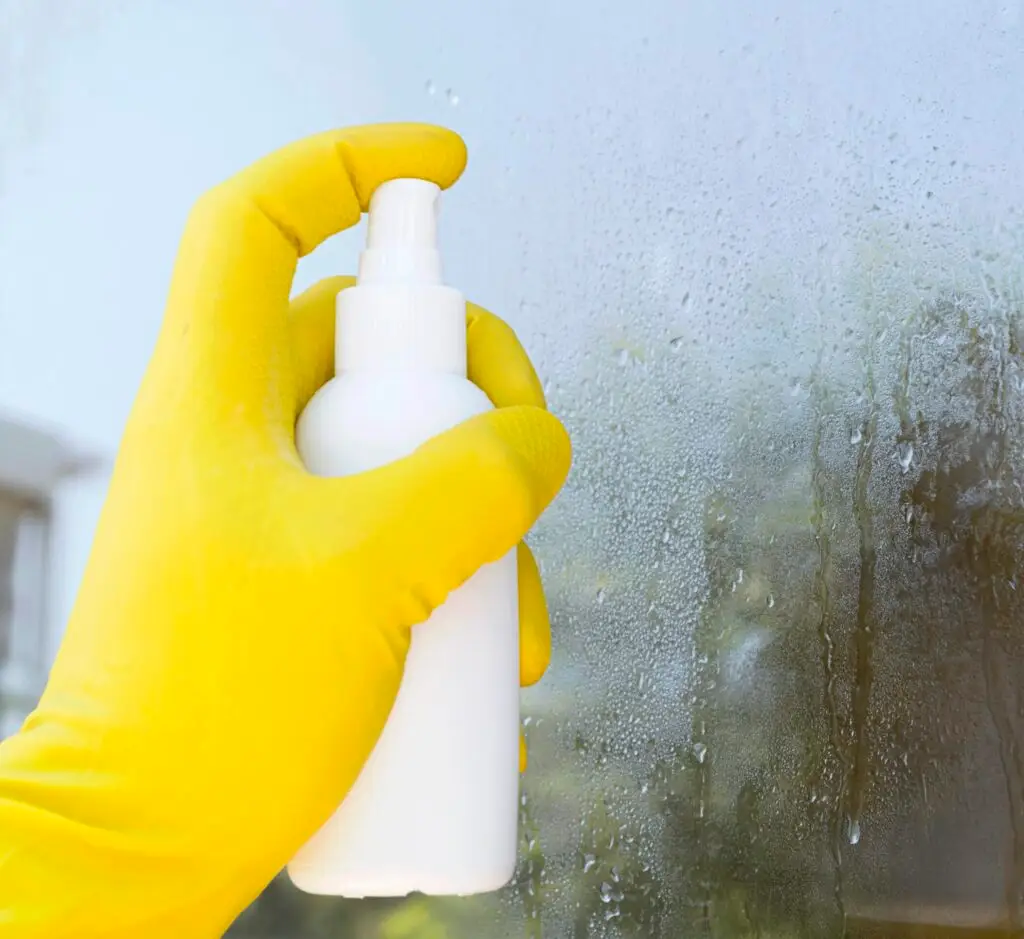
It seems like a reasonable idea. You have glass stovetop cleaner under the sink, the windows need cleaning, and both surfaces are glass. But using glass stovetop cleaner on windows is one of the most common product misuse mistakes in home cleaning, and it can cause permanent damage.
The reason comes down to how each product is formulated, what it is designed to do, and what kind of glass it is designed to do it on. This guide covers why stovetop cleaner does not work on windows, what the risks are, and what to use instead for a genuinely streak-free result.
Quick answer
Can you use glass stovetop cleaner on windows? No. Glass stovetop cleaners contain fine abrasives and thick cream formulas designed for ceramic-glass cooktops. On windows, these abrasives can scratch the glass surface and leave a hazy residue that is very difficult to remove. Use a purpose-made window cleaner or a diluted white vinegar solution instead.
Why the two products are fundamentally different
Glass stovetop cleaner and window cleaner share the word “glass” but they are designed for entirely different problems on entirely different surfaces.
A glass stovetop cleaner is formulated to remove burnt food, grease, and carbonized residue from a ceramic-glass cooktop. That surface is thick, heat-resistant, and designed to withstand the abrasion needed to lift cooked-on deposits. The cleaner is typically a thick cream or paste that contains fine abrasive particles. You can feel the mild grit when you rub a small amount between your fingers.
A window cleaner is formulated to dissolve everyday dust, fingerprints, water spots, and atmospheric grime from standard window glass. The goal is to remove contamination and evaporate completely without leaving any residue. The formula is typically a thin, fast-drying liquid with no abrasive content at all.
The surfaces are also different. Ceramic-glass cooktops are significantly harder and more scratch-resistant than the glass used in residential windows. What counts as “gentle” on a cooktop can easily mark a window.
Professional cleaners who clean both kitchens and windows regularly see this confusion play out in service calls. A client tried to use stovetop cleaner on a kitchen window because it was right there, and the result was a permanently hazy panel that had to be replaced. The damage is not always visible immediately, but it shows up clearly in direct sunlight.
What happens when you use glass stovetop cleaner on a window
Fine abrasive particles scratch the surface
The microscopic abrasive particles in stovetop cleaner are what make it effective on a cooktop. On a window, those same particles create tiny surface scratches. Each scratch is individually invisible, but they accumulate with each cleaning pass.
The result is what professionals call micro-scratching: a pattern of fine marks that catch and scatter light. The window looks cloudy or dull in sunlight, especially at low angles in the morning or evening. This kind of damage cannot be polished out on standard window glass without professional equipment and is often irreversible.
Cream residue creates a persistent haze
Glass stovetop cleaners are designed to be buffed and rinsed on a horizontal, heat-resistant surface with significant manual effort. On a vertical window, the thick cream formula does not behave the same way.
Even with thorough wiping, the cleaner leaves behind a thin film of residue. That film scatters light, creating a hazy or milky appearance. It also attracts dust and airborne particles more readily than clean glass, so the window looks dirty again within days.
Window treatments and coatings can be damaged
Many residential windows have surface treatments: low-emissivity (low-E) coatings that reduce heat transfer, tinting films, UV-protective layers, or anti-reflective coatings. These are applied to or bonded with the glass surface.
The abrasives and chemical compounds in stovetop cleaner are not compatible with these treatments. They can degrade or strip coatings, reduce the effectiveness of window films, and cause discoloration or peeling along edges. Replacing a coated or tinted window is expensive. Using the right cleaner is not.
What to use on windows instead
The right window cleaning approach depends on the type of dirt and the scale of the job. These options work reliably and safely on standard residential glass.
Purpose-made window cleaner
A commercial window cleaner is the straightforward choice. Look for formulas that are:
- Ammonia-free if the windows have tinting or film
- Streak-free formulated, which means they dry without leaving a haze
- Listed under the EPA’s Safer Choice program if you prefer products with verified safer ingredients
Apply the cleaner to a clean microfiber cloth rather than spraying it directly on the glass. This gives more control and prevents overspray on frames, sills, and adjacent surfaces.
White vinegar and distilled water
This is the most common professional alternative for routine window cleaning and it works well.
Mix equal parts distilled white vinegar and distilled water in a clean spray bottle. The vinegar cuts through grease, fingerprints, and light mineral deposits. Using distilled water rather than tap water avoids the mineral streaks that tap water often leaves as it dries.
Apply with a spray bottle and wipe with a clean microfiber cloth or lint-free towel. For exterior windows or heavy grime, a soft-bristle brush and a bucket of the solution work well before the final wipe.
Do not use this method on natural stone window sills or frames. The acidity of vinegar can etch stone surfaces.
Dish soap and water for exterior windows
For exterior windows with accumulated dirt, pollen, or environmental grime, a small amount of dish soap in warm water is effective as a first-pass cleaner.
Use about one teaspoon of dish soap per gallon of water. Apply with a soft cloth or sponge, rinse with clean water, then finish with a squeegee for streak-free results. Follow with a dry microfiber cloth along the edges to prevent water marks at the frame.
Professional-grade squeegee technique
For large windows, a squeegee with a quality rubber blade is the most effective finishing tool. Professional window cleaners use this for a reason: a squeegee removes the cleaning solution in a single controlled pass without the friction or fiber contact that cloths introduce.
Work top to bottom in slightly overlapping vertical strokes or in an S-pattern. Wipe the squeegee blade with a clean lint-free cloth between passes to avoid redistributing dirt or streaks.
How to remove stovetop cleaner residue from a window
If stovetop cleaner has already been used on a window, the priority is to remove the residue without making the scratching worse.
Do not scrub. Scrubbing spreads the residue and adds more micro-scratches.
Follow these steps:
- Apply a generous amount of distilled white vinegar directly to the affected area.
- Let it sit for two to three minutes to soften the cream residue.
- Wipe gently with a clean microfiber cloth in straight, overlapping strokes.
- Repeat once if residue remains.
- Finish with a clean dry cloth to remove any remaining film.
If the hazy appearance persists after removing the residue, the glass may have micro-scratches rather than surface residue. In that case, the damage is in the glass itself and cannot be corrected with cleaning products. A professional assessment can determine whether polishing is possible or whether replacement is the more practical option.
Common mistakes when cleaning windows
These are the errors that show up most often in both DIY window cleaning and improper product use:
- Using stovetop cleaner or abrasive cream cleaners: These scratch and haze window glass.
- Cleaning in direct sunlight: The cleaner evaporates before you can wipe it, leaving streaks.
- Using paper towels: Paper towels leave lint and fine fibers. Use microfiber cloths instead.
- Spraying cleaner directly on the glass: Overspray reaches frames, sills, and tinting. Apply to the cloth.
- Using tap water in DIY solutions: Tap water minerals leave white spots as the water dries. Use distilled water.
- Using the same cloth for inside and outside: Outside glass is far dirtier than inside glass. Separate cloths prevent contamination.
- Ammonia-based cleaners on tinted windows: Ammonia can degrade tinting film over time.
- Not cleaning window frames and tracks: Dirty frames recontaminate the glass immediately, especially in rain or wind.
How often should windows be cleaned?
Cleaning frequency depends on the location, environment, and use of the space.
| Window type or location | Recommended frequency |
|---|---|
| Interior windows, low traffic | Every 1 to 2 months |
| Interior windows, high traffic or cooking adjacent | Monthly |
| Exterior windows, standard residential | Every 3 to 6 months |
| Exterior windows, coastal or high-pollen areas | Every 4 to 8 weeks |
| Commercial storefront glass | Weekly or more frequently |
Properties near the ocean, like homes on Nantucket and Martha’s Vineyard, deal with salt air and sea spray that deposit on exterior glass quickly. These locations benefit from more frequent exterior window cleaning to prevent mineral buildup that etches into the glass surface over time.
If window cleaning is part of a broader home care routine, pairing it with a scheduled residential cleaning service covers the interior at the same time as other surfaces.
Frequently asked questions
Can glass stovetop cleaner be used on any type of window? No. Glass stovetop cleaner is not safe for any residential window glass, tempered or standard, coated or uncoated. The abrasive content and cream formula cause micro-scratching and residue buildup on all window glass types.
What is the best homemade window cleaner? Equal parts distilled white vinegar and distilled water in a spray bottle. Apply with a clean microfiber cloth and wipe dry immediately. For heavy exterior grime, a few drops of dish soap in warm water as a pre-clean followed by the vinegar solution gives a clear, streak-free result.
Why do my windows streak after cleaning? The most common causes are tap water minerals left as the water dries, using the wrong cloth (paper towels or dirty cloths), cleaning in direct sunlight so the solution evaporates before you wipe it, or using a product that leaves residue. Switch to distilled water in your DIY solution and clean in shade or overcast conditions.
Can I use glass stovetop cleaner on the oven window? Yes. The interior oven glass is typically the same ceramic-glass material as a stovetop surface and can handle the abrasive formula in stovetop cleaners. Always check the manufacturer’s guidance for your specific appliance.
Does vinegar damage window glass? No. Diluted white vinegar is safe on standard window glass and is one of the most effective streak-free window cleaning solutions. It should not be used on natural stone window sills or frames, as the acid can etch stone surfaces.
What should I do if my window looks cloudy after cleaning? First, determine whether the haze is surface residue or micro-scratching. Apply diluted vinegar, let it sit, and wipe gently. If the haze clears, it was residue. If it persists, the glass may have micro-scratches. Persistent cloudiness from scratching cannot be fixed with cleaning products and may need professional assessment.
Is ammonia-based window cleaner safe to use? Ammonia-based cleaners work well on untreated glass but should not be used on tinted windows or windows with applied films. Ammonia can degrade or discolor window tinting over time. Check whether your windows have any applied treatment before using ammonia-based products.
Use the right product and protect your glass
Glass stovetop cleaner is formulated for a specific surface with specific properties. Window glass is not that surface. Using the wrong product risks scratching and hazing that cannot always be undone.
The good news is that effective window cleaning does not require anything elaborate. A purpose-made window cleaner or a simple vinegar-and-distilled-water solution, applied with a microfiber cloth and finished with a squeegee, delivers better results than any stovetop product ever would.
If your windows are due for a thorough clean or you want them included in a regular home care schedule, our residential cleaning service covers window cleaning alongside the rest of the home.
