
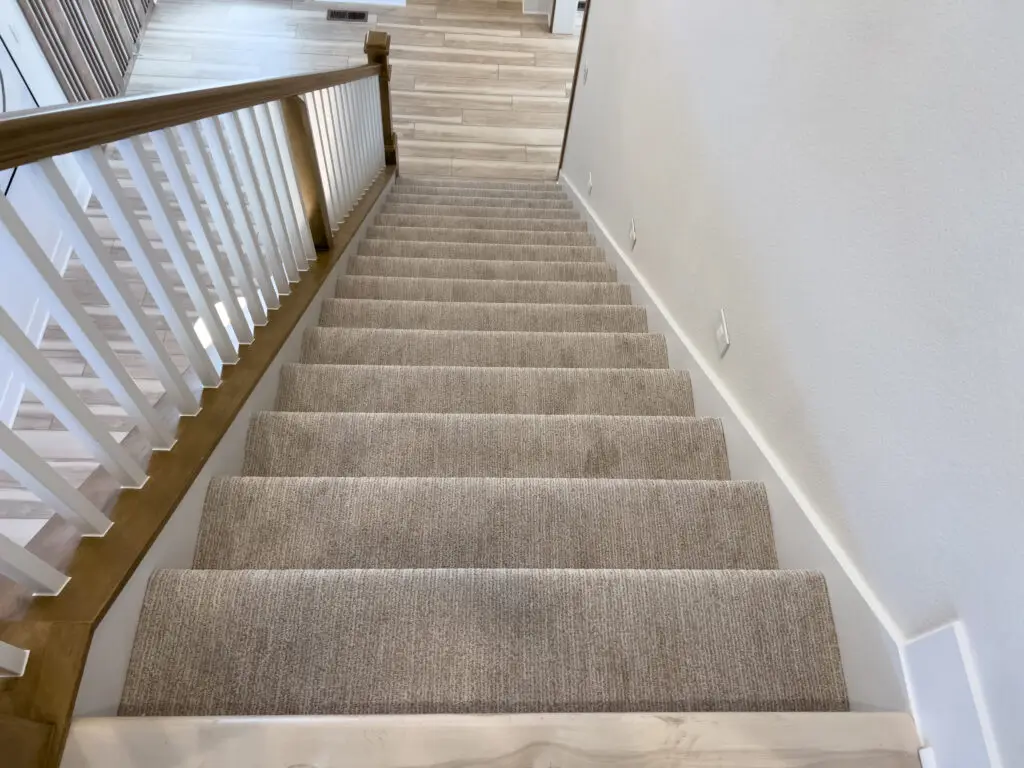
A carpet that looks clean on the surface can hold months of embedded dirt, dust mites, and allergens deep in the fibers. Regular vacuuming removes surface debris but does not reach the contamination that settles into the pile over time. To truly clean carpet, you need a process that addresses the full depth of the material, not just what is visible.
At Quality Clean Service, we clean carpeted homes throughout Nantucket, Cape Cod, and Martha’s Vineyard as part of our residential services. In this guide, we walk through the complete seven-step process for how to clean carpet effectively, covering routine maintenance, stain treatment, and deep cleaning.
Why carpet cleaning matters beyond appearance
Carpet acts as a filter in your home. It traps dust, pet dander, pollen, bacteria, and moisture that would otherwise remain in the air. This filtering function is beneficial until the carpet becomes saturated with what it has captured. At that point, foot traffic releases the trapped particles back into the air in concentrated bursts.
The result is reduced indoor air quality, increased allergen exposure, and a gradual deterioration of the carpet fibers themselves. Regular, thorough carpet cleaning restores the filtering function, extends the life of the carpet, and significantly improves the health quality of your home environment.
This matters especially in coastal homes on Nantucket and Cape Cod, where sea salt, sand, and higher humidity create additional carpet challenges throughout the year.
What you need to clean carpet
Gather your supplies before starting. The specific tools you use depend on whether you are doing routine maintenance or a deeper clean.
For routine carpet cleaning:
- Vacuum cleaner with good suction and a motorized brush head
- Carpet pre-treatment spray for high-traffic areas
- Baking soda for deodorizing
- Microfiber cloths or clean rags
For deep cleaning:
- All of the above
- Carpet cleaner or steam cleaner (rental or owned)
- Carpet cleaning solution appropriate for your carpet type
- Bucket and clean water
- Scrub brush with soft to medium bristles
- Fan for drying
For stain treatment:
- White vinegar
- Dish soap (clear)
- Hydrogen peroxide (3% concentration)
- Enzyme-based stain remover for biological stains
- Spray bottle
Important: Always check your carpet manufacturer’s care recommendations before using any cleaning product. Some carpet materials, particularly wool and delicate natural fibers, require specific cleaning methods.
Step 1: Clear the room and prepare the surface
Before you clean carpet, remove as much furniture as possible from the area. Even moving lighter pieces to one side of the room gives you access to high-traffic zones that are usually blocked.
Once furniture is cleared, do a visual inspection of the carpet. Note any stains, high-traffic discoloration, or areas with visible debris. These areas will need pre-treatment before the main cleaning steps.
If there are any solid debris items on the carpet, such as crumbs, pet hair, or tracked-in dirt, pick them up by hand or with a dry sweep before vacuuming. This prevents the vacuum from pushing large debris deeper into the pile.
Step 2: Vacuum thoroughly before any wet cleaning
This step is non-negotiable. Applying any moisture to a carpet that has not been thoroughly vacuumed first creates a muddy residue in the fibers that is harder to remove than the original dirt.
Vacuum the entire carpeted area in multiple directions. Start with one pass across the length of the room, then go back in the opposite direction. This two-direction approach lifts more fibers and removes embedded particles that a single-direction pass misses.
Use slow, overlapping strokes. Rushing through vacuuming is one of the most common reasons carpet cleaning produces disappointing results. The vacuum’s suction and brush need time in contact with the carpet to pull debris from the pile.
Pay particular attention to:
- High-traffic paths (hallways, entryways, the area in front of sofas)
- Edges and corners where dust concentrates
- Under furniture if accessible
- Transition areas where carpet meets hard floors
After vacuuming, empty the canister or replace the bag if it is more than half full. A full vacuum loses significant suction and is far less effective.
Step 3: Apply pre-treatment to stains and high-traffic areas
Before deep cleaning, treat individual stains and high-traffic discoloration with a targeted product. Pre-treatment breaks down the specific compounds in each stain before the deeper cleaning process.
For general high-traffic discoloration: Apply a carpet pre-spray and let it sit for five to ten minutes.
For food and beverage stains: Mix one tablespoon of dish soap with two cups of cold water. Apply to the stain, let it sit for five minutes, then blot (do not rub) with a clean cloth.
For pet stains: Use an enzyme-based cleaner specifically designed for biological stains. These products break down the uric acid in urine at the molecular level. Apply generously and allow the recommended contact time.
For grease or oil stains: Sprinkle baking soda over the stain and let it sit for fifteen minutes. The baking soda absorbs the oil before you apply any liquid cleaner.
For comprehensive guidance on specific stain types, including biological stains from pets, see our guide on how to clean dog pee from carpet.
Always work from the outer edge of a stain toward the center. This prevents spreading.
Step 4: Apply your carpet cleaning solution
For a thorough clean of the entire carpet, you have two main options: manual scrubbing with a cleaning solution, or a carpet cleaning machine.
Manual cleaning: Mix your carpet cleaning solution according to the product instructions. Apply it to a section of carpet, working in small areas of about two to three square feet at a time. Use a scrub brush in circular or back-and-forth motions to work the solution into the pile. Then rinse with clean water and blot dry.
This method is labor-intensive but effective for small areas, spot cleaning, and carpets that should not be exposed to excessive moisture.
Carpet cleaning machine: A carpet cleaner or steam cleaner applies cleaning solution under pressure, scrubs the fibers mechanically, and extracts the dirty water simultaneously. This is the most effective method for full-room carpet cleaning. Machines can be rented from most hardware stores or home improvement centers.
Follow the machine’s instructions exactly, particularly regarding dilution of the cleaning solution. Too much solution leaves residue in the fibers, which actually attracts more dirt and causes the carpet to get dirty faster after cleaning.
Work in overlapping passes in one direction. Then go back over the entire area in the perpendicular direction. Two-direction machine cleaning extracts significantly more water and debris than a single-direction pass.
Step 5: Rinse the carpet to remove solution residue
Residual cleaning solution in the carpet fibers is one of the most common causes of carpet looking dirty shortly after cleaning. The sticky residue left by cleaning products attracts new dirt and causes rapid resoiling.
After cleaning with your solution, go over the entire carpet with the machine loaded with clean water only. This extraction rinse removes the residual cleaning product from the fibers. For manual cleaning, blot the cleaned area repeatedly with a clean cloth dampened with plain cold water.
This step is often skipped, but it makes a significant difference in how long the carpet stays clean after treatment.
Step 6: Dry the carpet completely
This step is critical. Carpet that remains damp for more than twelve to twenty-four hours develops mold and mildew in the padding, which creates a musty odor that no amount of surface cleaning will eliminate.
To speed drying:
- Open windows and doors to increase air circulation
- Run fans pointed at the carpet surface
- Run a dehumidifier in the room if available
- Turn on the HVAC system to circulate dry air
Do not walk on the carpet until it is dry. Foot traffic on a damp carpet flattens the pile and pushes any remaining moisture deeper into the padding.
In humid summer months on Nantucket and Cape Cod, drying time is longer due to the moisture-saturated air. Plan carpet cleaning for mornings so you have a full day of open-window drying time.
Step 7: Vacuum again once dry and deodorize
Once the carpet is completely dry, vacuum it again. This final pass lifts the carpet pile that was flattened during cleaning and removes any loosened debris that has surfaced as the carpet dried.
After vacuuming, sprinkle baking soda evenly over the carpet. Let it sit for fifteen to thirty minutes. Then vacuum it up. Baking soda absorbs residual odors naturally without leaving any chemical scent. This final deodorizing step gives the carpet a genuinely fresh, clean smell.
For ongoing maintenance, repeat this baking soda treatment monthly between deep cleans to keep the carpet smelling fresh.
How often should you deep clean your carpet?
The Carpet and Rug Institute provides professional recommendations on carpet care and cleaning frequency based on household type and traffic levels.
| Household type | Recommended deep clean frequency |
|---|---|
| No pets, no children, light foot traffic | Once a year |
| Children or moderate foot traffic | Every 6 to 9 months |
| Pets or heavy foot traffic | Every 3 to 6 months |
| Vacation rental properties | After every season or monthly in peak use |
Regular deep cleaning combined with consistent weekly vacuuming is the most cost-effective way to extend the life of your carpet. Carpet replacement is expensive. Professional-quality cleaning maintenance is not.
For broader guidance on home maintenance cleaning, our house cleaning checklist covers every room and surface type in detail.
Our residential cleaning services include carpet care for homes throughout Nantucket, Cape Cod, and Martha’s Vineyard. contact us for a free quote.
The tools that make how to clean carpet easier
The right equipment makes a measurable difference in results. A vacuum with strong suction and a motorized brush head is the most important tool for anyone who wants to know how to clean carpet effectively at home. For deeper cleaning, renting a hot water extraction machine from a local hardware store is the most cost-efficient way to achieve near-professional results. Pairing the right machine with a quality enzyme-based pre-treatment spray and a purified-water rinse gives you the same system that professional cleaners use. You do not need expensive equipment to know how to clean carpet to a high standard. You need the right combination of steps, timing, and technique.
Clean carpet, cleaner home
Knowing how to clean carpet properly transforms the most used surface in your home from a source of allergens and trapped debris into a genuinely clean, fresh foundation for your living spaces. Follow these seven steps consistently: vacuum first, pre-treat stains, apply solution properly, rinse thoroughly, dry completely, and finish with a deodorizing vacuum pass. The result is carpet that looks, feels, and smells genuinely clean.
For professional carpet care and full residential cleaning across Nantucket, Cape Cod, and Martha’s Vineyard, Quality Clean Service is ready. Get in touch to schedule your free quote today.
