
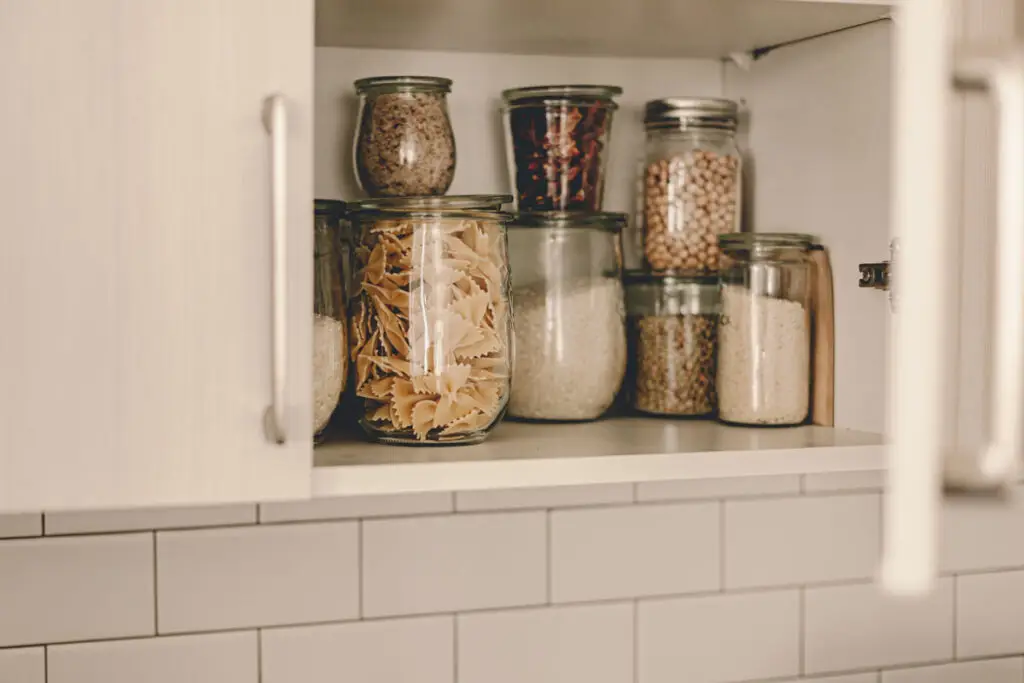
A disorganized pantry wastes food, wastes money, and wastes time. Items get pushed to the back and expire unnoticed. You buy duplicates of things you already have because you cannot see what is there. Cooking takes longer because finding ingredients requires digging through cluttered shelves.
At Quality Clean Service, our professional organizing team helps homeowners across Nantucket, Cape Cod, and Martha’s Vineyard create pantry systems that actually work. In this guide, we share the seven pantry organization tips that make the biggest difference, regardless of pantry size.
Why good pantry organization matters more than you think
A well-organized pantry reduces food waste, which directly reduces your grocery spending. Studies on household food waste consistently show that poor visibility and accessibility are the leading causes of food going unused and discarded. When you can see everything you have, you use it.
Beyond the financial benefit, pantry organization saves time every day. A systematic pantry means you can find any ingredient within seconds, meal planning is easier because you know your inventory at a glance, and restocking is faster because you know exactly what is running low.
These seven pantry organization tips create all of these benefits and make the organization sustainable, not just a short-lived tidying effort.
Tip 1: Start with a complete empty and audit
Every effective pantry organization starts the same way: remove everything, sort through it, and discard what does not belong.
Pull everything out of the pantry and place it on your kitchen counter or table. As you go through each item, ask:
- Is it expired? If yes, discard immediately.
- Have I used this in the past six months? If no, consider whether you will realistically use it.
- Do I have duplicates? Consolidate open packages of the same item.
- Does this belong in the pantry, or has it drifted here from elsewhere?
Most people are surprised by how much expired or unused food they find during this step. Discarding these items immediately creates significant space and gives you a realistic picture of what you actually need to organize.
Once the audit is complete, group the remaining items into categories before putting anything back.
Tip 2: Group items into logical categories
Effective pantry organization is built on grouping like items together. This creates the structure your pantry needs to stay organized and makes finding and replacing items intuitive.
Practical pantry categories for most households:
- Grains and pasta: rice, pasta, quinoa, oats, bread
- Canned goods: vegetables, beans, tomatoes, soups, fish
- Baking supplies: flour, sugar, baking powder, cocoa, chocolate chips
- Snacks: crackers, chips, nuts, granola bars
- Breakfast items: cereals, pancake mix, protein bars
- Condiments and sauces: oils, vinegars, soy sauce, hot sauce
- Spices and seasonings (if stored in the pantry)
- Beverages: coffee, tea, drink mixes
- Specialty or less frequently used items
The specific categories will vary based on your household’s eating patterns. The important thing is that each category is consistent and that every item has a clearly defined place within its category.
Tip 3: Use clear containers for dry goods
For dry goods containers, the OXO Good Grips Pop Container set is a widely trusted choice for airtight pantry storage.
Transferring dry goods into clear, airtight containers is one of the most impactful pantry organization tips. It creates visual clarity, extends the shelf life of dry goods by protecting them from moisture and pests, and makes inventory assessment effortless.
Items that benefit most from clear containers:
- Flour, sugar, and other baking staples
- Rice, pasta, and grains
- Cereal and oats
- Nuts, seeds, and trail mix
- Coffee beans
Choose containers that stack easily and have airtight seals. Square or rectangular containers use shelf space more efficiently than round ones. Consistent sizing across your pantry creates a uniform, easy-to-navigate appearance.
Always label every container. Include the item name and, if helpful, the expiration date from the original packaging. Labels eliminate guesswork and make it easy for everyone in the household to return items to the right place.
Tip 4: Assign shelf zones by frequency of use
Where you place each category on the shelf makes a significant difference in how usable your pantry is day to day.
Follow this zoning principle:
Eye level: Items you use most often. Daily staples like oils, pasta, rice, and frequently used canned goods should be at eye level and easy to grab without bending or reaching.
Below eye level: Heavier items and those used regularly but not daily. Canned goods, baking supplies, and bulk items work well at waist to mid-level height.
Upper shelves: Rarely used items, specialty products, large serving pieces, or overflow stock. These are fine to store high because you only reach for them occasionally.
Floor level (if accessible): Large containers, bulk items, and anything too heavy for shelves.
Children’s snacks belong at a lower level that they can reach independently. This reduces the number of times you are asked to retrieve something and keeps your more organized shelves undisturbed.
Tip 5: Use shelf risers, bins, and turntables
The right organizing tools transform a flat shelf into a layered, fully accessible storage system. These tools are especially important in deep shelves where items at the back are difficult to see and reach.
Shelf risers: These create a second level on a single shelf, effectively doubling the number of items you can store at eye level. They are ideal for canned goods, jars, and small bottles.
Clear bins and baskets: Group related smaller items into bins so they can be pulled out as a unit rather than searching through individual items. Snack bins, breakfast bins, and sauce bins are common examples. A bin you can pull out fully is far more accessible than a shelf you have to reach into.
Lazy Susans (turntables): These are essential for corner areas, deep shelves, and anywhere bottles and jars get pushed to the back. A turntable lets you rotate the shelf to bring any item to the front within seconds.
Over-the-door organizers: The inside of a pantry door is often unused storage space. An over-the-door rack holds spices, small packages, and frequently used condiments in a location that is accessible without taking up shelf space.
Tip 6: Apply a first-in, first-out rotation system
This is the pantry organization tip borrowed from professional food service, and it is one of the most effective for reducing food waste at home.
When you restock the pantry with newly purchased items, place the new items behind the existing ones. Older items come to the front and get used first. This prevents the common problem of newer purchases sitting in front while older items expire unseen at the back.
To make this habit easier, organize your shelves with enough space to pull items forward without rearranging everything. Bins that you can pull out to access the back are particularly helpful for maintaining first-in, first-out rotation without significant effort.
Review the pantry briefly each week when you do your grocery planning. Check what is running low, note what is approaching expiration, and build those items into your meal planning before they go to waste.
Tip 7: Create a maintenance system that takes five minutes
The pantry organization tips above create a well-functioning system. Maintaining it requires only one thing: the habit of returning items to their designated place every time.
The most common reason organized pantries fall back into chaos is that items get placed on the nearest empty shelf rather than in their assigned zone. Over time, categories mix, visibility decreases, and the system stops working.
Two habits prevent this:
Return it now. When you take something out of the pantry, return it to the exact same spot when you are done. This takes two seconds and prevents the slow drift that undoes most organization efforts.
Monthly reset. Once a month, spend five to ten minutes going through the pantry, returning misplaced items to their zones, checking for items approaching expiration, and updating your shopping list for anything running low. This short investment keeps the system working indefinitely.
For complete kitchen organization that complements your pantry setup, read our guide on how to organize the kitchen. It covers cabinets, drawers, countertops, and workflow zones in detail.
If you want professional help tackling your pantry or any other area of your home, our professional organizing services are available for homeowners across Nantucket, Cape Cod, and Martha’s Vineyard. We create customized organizing systems tailored to your space and lifestyle.
The pantry organization system that actually lasts
These seven pantry organization tips work together to create a system that is functional, visible, and easy to maintain. Empty and audit before you organize. Group items logically. Use clear containers with labels. Assign zones by frequency of use. Add the right storage tools. Rotate stock first-in, first-out. And build a simple maintenance habit to keep it working.
When you are ready to take your pantry or kitchen organization further with professional support, Quality Clean Service is here. Our team serves homeowners across Nantucket, Cape Cod, and Martha’s Vineyard with expert professional organizing. Contact us for a free consultation today.
Small changes, significant results
Pantry organization does not require a full renovation or expensive custom cabinetry. The seven tips in this guide use simple tools and consistent habits to create a pantry that functions better immediately and stays organized over time. Start with the audit and declutter step, then build the system from there. Each step you complete makes the next one easier and the overall result more effective and sustainable.
