
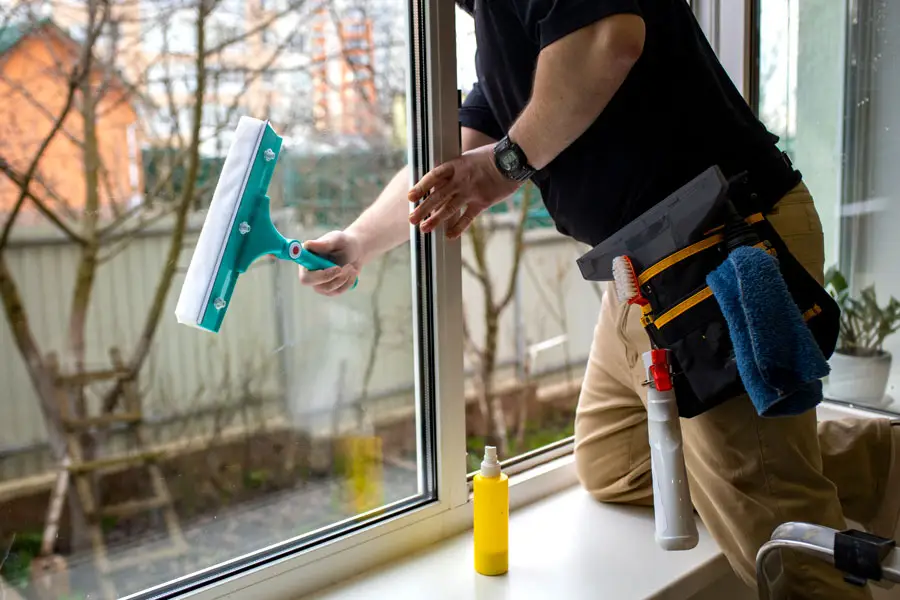
Living on the coast offers an unparalleled lifestyle, defined by rhythmic tides, fresh breezes, and breathtaking horizons that stretch as far as the eye can see. However, the very elements that make coastal living so desirable—specifically the salt air and humidity—pose a significant threat to the clarity and longevity of your home’s glass surfaces. For homeowners in these regions, window washing is not merely a matter of aesthetics; it is a continuous battle against the corrosive nature of the marine environment.
Salt spray is far more than a simple nuisance that obstructs your view; it is a pervasive substance that, if left unchecked, can cause permanent damage to architectural glass. When saltwater evaporates on a window, it leaves behind a high concentration of salt crystals that can slowly etch into the glass surface, leading to a cloudy, permanent haze known as stage-two corrosion. Therefore, understanding the specific requirements of coastal window washing is vital. By adopting a proactive and knowledgeable approach to care, you can protect your investment and ensure that your windows remain a transparent bridge to the beautiful landscape surrounding your home.
The Science Behind Salt Spray Window Removal
To truly master coastal home maintenance, one must first understand the adversary: salt spray. Unlike standard dust or pollen found in inland areas, sea spray is sticky, hygroscopic, and chemically aggressive. When waves crash or the wind whips across the ocean surface, microscopic droplets of saltwater become airborne. These droplets eventually settle on your home’s exterior. As the water evaporates, the salt crystallizes and hardens, binding tightly to the glass, making routine window washing a more complex task.
This adhesion is why a simple rinse with a garden hose is rarely sufficient for effective salt spray window removal. In fact, rinsing without proper agitation or using water with high mineral content can exacerbate the issue, creating a cement-like layer of mineral deposits and salt. Furthermore, the chloride ions in salt are highly reactive and can accelerate the corrosion of not just the glass, but also the frames, tracks, and hardware surrounding the window.
Why Standard Cleaning Fails
Standard cleaning methods often fall short in coastal environments because they do not address the chemical bond salt forms with glass. Using standard glass cleaners with ammonia can sometimes be detrimental in direct sunlight, causing streaks that are difficult to remove during window washing. Moreover, using dry cloths to wipe away salt is a recipe for disaster; the sharp salt crystals act like sandpaper, leaving microscopic scratches that dull the glass over time.
- Hygroscopic Nature: Salt attracts moisture from the air, keeping the glass perpetually damp and sticky, which traps more dirt.
- Etching Risk: Prolonged exposure allows salt to penetrate the microscopic pores of the glass.
- Frame Corrosion: Salt accumulation in tracks can seize locking mechanisms and rot wood or corrode aluminum.
Tip 1: Master the Art of the Deep Clean
The first and most critical tip for maintaining coastal glass is to move beyond surface wiping and embrace the concept of a deep clean. In a marine environment, a superficial window washing session is temporary at best. A true deep clean involves removing every layer of debris, salt, and organic matter to restore the glass to its original, neutral state. This process requires patience, the right chemistry, and a systematic approach that prioritizes the health of the glass.
Choosing the Right Solution
For effective window washing in areas with heavy salt exposure, the cleaning solution matters immensely. While there are many commercial products available, professional-grade results often come from simple, balanced solutions that break down salt without damaging the surrounding seals.
Many experts recommend a mixture of purified water and a specialized glass glide or a mild, non-abrasive dish soap. The surfactant in the soap helps to lift the salt crystals off the surface, allowing them to be squeegeed away without scratching. For stubborn mineral deposits or calcification, a mild acid solution (like white vinegar diluted with water) can be effective, but it must be used with caution during window washing to avoid damaging stone sills or sensitive siding materials.
The Importance of Water Quality
One often overlooked aspect of successful window washing is the quality of the water used. In many coastal areas, tap water can be “hard,” meaning it contains high levels of calcium and magnesium. If you perform window washing with hard water and let the glass air dry, you are essentially replacing salt spots with hard water spots, which are equally difficult to remove.
- Purified Water: Using distilled or reverse-osmosis water acts like a magnet for dirt and leaves no residue behind.
- Deionization: Professional systems often use deionized water tanks to ensure a spot-free rinse.
- Filtration: If a purification system isn’t available, ensuring your water source is filtered can significantly improve results.
Pre-Soaking is Non-Negotiable
Before any scrubbing tool touches the glass, the surface must be thoroughly soaked. This is a crucial step in salt spray window removal. The water helps to dissolve the salt and loosen the grip of sand and grit. Attempting to scrub a dry or semi-dry coastal window is the fastest way to inflict permanent damage. Generously applying your window washing solution and allowing it to dwell for a moment (without drying) ensures that the salt is suspended in the liquid, ready for safe removal.
Tip 2: Elevate Your Window Washing Technique
Once you have the right understanding of the environment and the proper solutions, the next step is refining the physical technique. Window washing is a skill that balances pressure, angle, and speed. In a coastal setting, where the windows are often large, picture-style panes designed to capture the view, technique becomes even more paramount to avoid visible streaks and smears.
The Squeegee Method
The squeegee is the primary tool for achieving a flawless finish, but it requires practice to wield effectively during window washing. The goal is to remove the dirty water and suspended salt from the glass entirely, rather than spreading it around as a cloth might.
- The Fanning Technique: This involves moving the squeegee in a continuous, S-shaped motion across the glass. It keeps the water moving ahead of the blade and eliminates start-and-stop lines.
- Blade Maintenance: A nicked or worn rubber blade will leave lines. In salty air, rubber degrades faster, so blades should be changed frequently.
- Edge Detailing: After squeegeeing, water often remains at the edges. Using a specialized, lint-free surgical towel or a microfiber cloth to detail the perimeter ensures no drips run down later.
Protecting the Frames and Tracks
Window washing is not strictly about the glass; it is about the entire window assembly. Coastal homes often feature high-end architectural windows where the frames are just as valuable as the panes. During the window washing process, it is essential to flush the tracks.
Salt and sand accumulate in the bottom tracks of sliding doors and windows. If this grit is not removed, the weight of the door grinding over the sand can destroy the rollers and the track itself. A vacuum should be used first to remove loose sand, followed by a wet clean to dissolve salt. Lubricating the tracks with a silicone spray (never an oil-based lubricant which attracts sand) after cleaning can keep everything operating smoothly.
Avoiding Abrasives
It cannot be stressed enough: never use abrasive pads, scrapers, or steel wool on coastal glass unless you are highly trained in their specific use for tempered glass. Coastal windows are often tempered for safety and wind resistance. Tempered glass can have microscopic fabrication debris on its surface; using a scraper during window washing can dislodge this debris and drag it across the glass, causing deep, visible scratches.
- Microfiber is King: High-quality microfiber holds dust and salt without scratching.
- Natural Sponges: These are excellent for applying soapy water generously.
- Avoid Paper Towels: They are often treated with glues and can be abrasive, leaving lint behind.
Tip 3: Strategic Timing for Cleaning Services
The final tip revolves around the “when” rather than the “how.” The frequency and timing of your window washing efforts significantly impact the long-term clarity of the glass. In coastal climates, the weather changes rapidly, and humidity levels fluctuate, all of which influence how effective your window washing will be. While many homeowners rely on professional cleaning services for major turnovers or seasonal openings, understanding the ideal schedule helps maintain the property year-round.
Weather Patterns and Humidity
Ideally, window washing should not be performed in direct, blazing sunlight. The heat causes the water and cleaning solution to evaporate too quickly, leaving behind soap scum and residue before you have a chance to squeegee it off. This is particularly true for south-facing windows in coastal areas.
Overcast days are generally the best for window washing. The lower evaporation rate allows the cleaning solution to dwell longer on the glass, effectively breaking down the salt deposits. Furthermore, checking the marine forecast is wise; there is little value in performing a deep exterior clean the day before a nor’easter or a heavy storm is predicted to roll in, as the high winds will immediately coat the glass in fresh salt spray.
Establishing a Maintenance Rhythm
Consistency is key to preventing stage-two corrosion. If you wait until the windows look dirty, the salt has likely already begun to bond with the glass. A proactive window washing schedule is essential for property stewardship.
- High Season: During the summer or peak rental months, exterior window washing may be needed every two to four weeks to maintain that “white-glove” standard.
- Off-Season: While frequency can decrease, a post-storm rinse is crucial during the winter months to prevent salt from sitting on the glass for extended periods.
- Quarterly Deep Cleans: Regardless of visual cleanliness, a comprehensive deep clean of frames, tracks, and glass should happen at least quarterly in high-salt zones.
The Role of Professional Cleaning Services
While minor touch-ups can be handled by property owners or housekeeping staff, the comprehensive care of coastal windows often requires professional cleaning services. Professionals have access to water-fed pole systems that use purified water to clean high and hard-to-reach windows safely from the ground.
These systems are particularly beneficial in coastal environments because they do not use soaps that leave residues. They rely entirely on the mechanical action of the brush and the chemical purity of the water. This means that after the window washing is complete, there is no sticky soap film left on the glass to attract fresh salt and sand, effectively keeping the windows cleaner for longer. Recognizing when to call in cleaning services for these high-reach or extensive jobs is part of effective home management.
Additional Considerations for Coastal Property Stewardship
Beyond the three core tips, there are nuances to coastal window washing that elevate the process from a chore to a preservation strategy. Dealing with screens, for example, is a major component. Screens act as a filter, trapping salt and sand before it hits the glass. However, when it rains, that trapped salt washes onto the window, creating a concentrated mess.
Screen Management
For the clearest views and cleanest windows, it is often recommended to remove screens during the off-season. This protects the screen material from winter storms and prevents them from trapping salt against the glass. When performing window washing on screens, they should be removed, scrubbed with a soft bristle brush and soapy water, rinsed thoroughly, and allowed to dry completely before being reinstalled.
Eco-Friendly Practices
Living on the coast means living on the edge of a delicate ecosystem. Everything that washes off your home eventually makes its way into the groundwater or the ocean. Therefore, the chemicals used in window washing and general cleaning services should be biodegradable and phosphate-free. Avoiding harsh chemicals is not just better for the environment; it is often better for the longevity of the building materials, as harsh acids and alkalis can degrade sealants and paint over time.
Safety First
Coastal homes often feature unique architecture to maximize views, including widow’s walks, third-story dormers, and wrap-around decks. Accessing these areas for window washing can be hazardous. Salt air can make decking and ladder rungs slippery. Always prioritize safety, ensuring ladders are stable and on solid ground. If a window is difficult to reach, it is always the prudent choice to rely on professional cleaning services equipped with the proper safety harnesses and insurance.
Preserving Your Coastal Perspective
Ultimately, the view from your window is a defining feature of your coastal property. It connects the comfort of your interior space with the wild beauty of the shoreline. By understanding the chemistry of salt spray, utilizing the correct tools and purified water for a deep clean, and timing your maintenance to align with weather patterns, you ensure that this connection remains unbroken.
Window washing in this environment is a discipline of consistency and care. It is about protecting the asset—the glass, the frames, and the view itself—against the relentless forces of nature. Whether you undertake this task yourself or coordinate with professional cleaning services, treating your windows with this level of stewardship guarantees that the light pouring into your home remains as clear and brilliant as the ocean air itself.
