
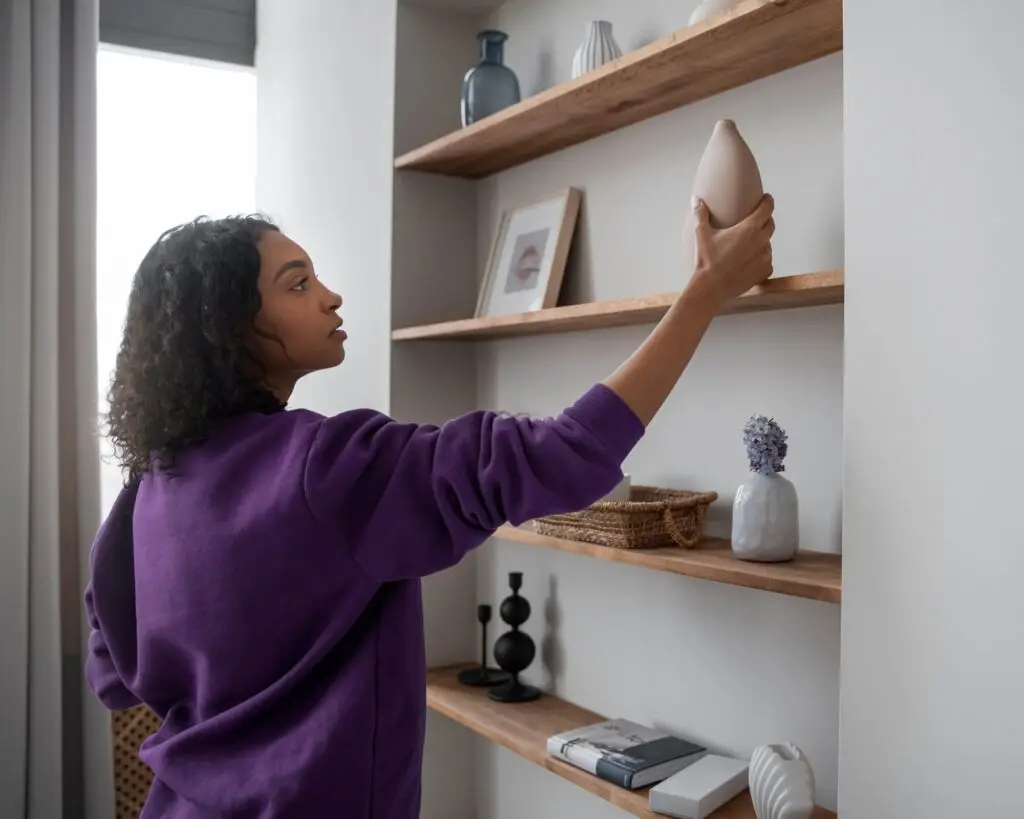
True luxury is not defined solely by the quality of your furnishings or the architecture of your estate; it is defined by the ease with which you live within those spaces. For homeowners in prestigious coastal enclaves like Nantucket, where the rhythm of life oscillates between serene off-seasons and vibrant summers, maintaining a sense of order is essential. Professional organizing offers more than just tidy shelves; it provides a systematic approach to living that reduces stress, saves time, and protects your valuable assets from the chaos of clutter.
However, achieving this level of seamless functionality requires a shift in perspective, moving away from quick fixes and toward sustainable systems. Whether you are managing a bustling vacation rental or a private family sanctuary, the principles of professional organizing serve as the blueprint for a harmonious environment. By implementing a strategic plan, you can transform even the most overwhelming spaces into areas of efficiency and calm, ensuring that your home remains a true retreat regardless of the season.
1. The Comprehensive Assessment Phase
Before a single bin is purchased or a drawer is opened, successful professional organizing begins with a rigorous assessment. This is the diagnostic phase where you must look at your home through the lens of a General Organizer. You need to evaluate not just the physical items you own, but the behaviors and habits that govern them. In the world of luxury home maintenance, this assessment is critical because it identifies the friction points in your daily life. Is the entryway constantly cluttered because there is no designated spot for beach gear? Is the kitchen frustrating to use because the flow doesn’t match your cooking style?
Furthermore, this stage requires you to define the specific purpose of every room. In large estates, spaces can often become catch-alls for undefined items. A guest room might slowly morph into a storage unit for holiday decor, or a garage might become a graveyard for broken furniture. Professional organizing demands clarity. You must establish firm boundaries for each zone. For example, if you are in a location like Nantucket where entertaining is frequent, your dining and living areas must be optimized for guest flow, not long-term storage.
- Identify the “Why”: Understand the root cause of the disorganization. Is it a lack of space, or a lack of systems?
- Map the Flow: Observe how family members and staff move through the house. Professional organizing systems should align with these natural pathways.
- Inventory Assets: Take stock of high-value items that need special care, such as silver, linens, or art.
- Set Clear Goals: Define what “success” looks like for each room. Is it visual minimalism? Is it accessibility for children?
Consequently, taking the time to thoroughly assess your needs prevents the common pitfall of organizing clutter. Many people skip this step and jump straight to buying containers, only to find that their new systems fail within weeks. By grounding your professional organizing project in a deep understanding of your lifestyle, you lay the foundation for lasting order.
2. The Ruthless and Strategic Edit
Once the assessment is complete, the next step is the edit. In the industry, this is often called “decluttering,” but in the context of high-end homes, it is better described as curation. Professional organizing is impossible without editing. You simply cannot organize items that you do not need, use, or love. This process can be emotionally taxing, as we often attach sentimental value to physical objects. However, a cluttered home leads to a cluttered mind.
To execute a successful edit, you must adopt a ruthless mindset. Remove everything from the space you are working on—completely empty the drawers, shelves, and closets. This “blank slate” technique is a staple of professional organizing because it forces you to make a conscious decision to put an item back, rather than just deciding what to throw away. As you sort through your belongings, categorize them strictly: Keep, Donate, Recycle, and Trash.
- The “One Year” Rule: If you haven’t used an item in the last year, and it isn’t a seasonal necessity, it is a prime candidate for removal.
- Quality Control: In luxury homes, broken, stained, or worn-out items dilute the aesthetic. Professional organizing prioritizes quality over quantity.
- Heirloom Management: Decide which sentimental items are truly worth displaying and which can be archived or passed down.
- Donation Strategy: Identify local charities or organizations where your high-quality discards can find a second life.
Moreover, the edit is crucial for efficient residential housekeeping. The fewer items there are on surfaces and floors, the easier it is to deep clean. Dust and allergens have fewer places to hide, and your cleaning team can focus on maintaining the finishes of your home rather than moving piles of stuff. This synergy between cleaning and professional organizing is what elevates a home from “clean enough” to truly pristine.
Additionally, consider the environmental impact of your edit. Professional organizing isn’t just about throwing things in a dumpster. It involves responsible disposal. Researching local recycling centers and donation guidelines ensures that your unwanted items don’t end up in a landfill unnecessarily. This sustainable approach aligns with the values of many modern homeowners who seek to minimize their footprint while maximizing their living standards.
3. Intelligent Zoning and Categorization
With the clutter removed, you are left with the items that truly serve your life. Now, the core mechanics of professional organizing come into play: zoning. Zoning is the practice of grouping like items together and storing them near where they are used. It sounds simple, but it is often overlooked in favor of aesthetic storage that doesn’t function well.
For example, a Kitchen Organizer would insist that all baking supplies be stored in a specific “baking zone” near the mixer and oven. Spices and oils should be in a “prep zone” near the stove. This logic minimizes movement and makes cooking a seamless experience. In a garage, a Garage Organizer would create distinct zones for gardening, automotive care, and sports equipment. This prevents the frustration of searching for a specific tool when you need it most.
- Frequency of Use: Store daily essentials at eye level and within easy reach. Reserve high shelves and low drawers for seasonal or rarely used items.
- The “One-Touch” Principle: Ideally, you should be able to retrieve an item with a single motion. Avoid stacking dissimilar items.
- Sub-Categorization: Within a zone, break items down further. In a “Stationery” zone, separate pens from pencils and paper from envelopes.
- Guest Accessibility: In vacation homes, ensure that guest zones (towels, toiletries, coffee) are intuitive and easy to find without instruction.
Furthermore, zoning is essential for maintaining inventory. When all your batteries are in one spot, you know instantly if you need to buy more. When all your lightbulbs are consolidated, you avoid buying duplicates. Professional organizing saves you money by preventing over-purchasing. It also aids your residential housekeeping staff, who can quickly see when supplies are running low and restock them efficiently.
In the context of professional organizing, zoning also applies to “backstock.” Luxury homes often buy in bulk or keep extra supplies on hand for the busy summer season. These items should have their own dedicated zone, separate from the daily use items. This keeps your primary drawers and cabinets uncluttered while ensuring you never run out of essentials.
4. Curated Containment and Systems
Only after you have assessed, edited, and zoned should you consider buying containers. This is the “fun” part of professional organizing, but it is also where many mistakes are made. The goal of containment is not just to hide items, but to set limits. A bin for “video games” creates a physical boundary; once the bin is full, the collection must be edited before new games are added.
When selecting storage solutions for luxury properties, aesthetics are paramount. The containers should complement the interior design, not clash with it. In coastal areas like Nantucket, material selection is also critical. Woven baskets made of natural fibers like seagrass add texture and warmth, but they must be used in dry areas to prevent mold. For humid spaces like bathrooms or basements, high-quality acrylic or moisture-resistant composites are better choices.
- Uniformity: Using matching hangers, bins, and baskets creates a sense of visual calm and order that is the hallmark of professional organizing.
- Labeling: Elegant, clear labeling is non-negotiable. It ensures that everyone—family, guests, and staff—knows exactly where items belong.
- Space Maximization: Utilize vertical space with shelf risers and stackable bins. Use the back of doors for hanging storage.
- Drawer Dividers: These are essential for keeping small items like utensils, socks, or office supplies from becoming a jumbled mess.
Additionally, professional organizing involves selecting the right type of container for the item. Delicate linens should be stored in breathable fabric bags, not plastic, to prevent yellowing. Silver requires tarnish-resistant cloth. A General Organizer will know exactly which materials are safe for your specific valuables. This attention to detail protects your investments and ensures that your belongings remain in pristine condition for years to come.
It is also important to consider the “decanting” trend. While pouring cereal and pasta into matching glass jars looks beautiful on social media, it is not always practical for every lifestyle. Professional organizing is about what works for you. If decanting helps you see how much you have left and keeps food fresher, do it. If it feels like a chore, skip it. The system must serve the user, not the other way around.
5. The Maintenance Protocol
The final, and perhaps most challenging, step in professional organizing is maintenance. It is a common misconception that once a space is organized, it will stay that way forever. In reality, organization is a dynamic state that requires ongoing effort. However, if you have followed the previous four steps, maintenance should be quick and painless.
For luxury homeowners, maintenance often involves a collaboration between the family and the residential housekeeping team. Clear communication is key. Your cleaning staff acts as the guardians of your order. If they understand the professional organizing systems you have put in place—where the towels go, how the pantry is categorized—they can help maintain it during their regular visits.
- The Daily Reset: Spend 10-15 minutes at the end of each day returning items to their designated zones. This prevents clutter from compounding.
- The “One-In, One-Out” Rule: For every new item you bring into the home, an old one should be removed. This is crucial for maintaining the balance achieved during the edit.
- Seasonal Swaps: In regions with distinct seasons, rotate your wardrobe and decor. Store heavy winter coats and wool blankets in the off-season to free up space for summer gear.
- Annual Reviews: Schedule a yearly audit of your spaces. Needs change, and your professional organizing systems should evolve with them.
Moreover, maintenance is about mindfulness. It is about being conscious of what you bring into your home and how you treat your space. Professional organizing fosters a sense of respect for your environment. When you value your home, you are less likely to let it fall into disarray.
For those with vacation rentals, the maintenance phase is accelerated. The “turnover” period between guests is a critical window for resetting the professional organizing systems. A checklist for your cleaning crew that includes organizing tasks—straightening the books, aligning the spice jars, checking the hangers—ensures that every guest arrives at a home that feels fresh and perfectly ordered.
The Role of Professional Cleaning Experience
It is impossible to discuss professional organizing without acknowledging the role of cleanliness. You cannot organize a dirty home. Deep cleaning is often the precursor to a major organizing project. Leveraging Professional Cleaning Experience ensures that the shelves are dusted, the floors are scrubbed, and the environment is sanitary before you begin placing items back.
Conversely, a well-organized home is significantly easier to clean. When surfaces are clear of clutter, your residential housekeeping team can be more thorough and efficient. They can focus on the details—polishing fixtures, conditioning leather, treating wood floors—rather than moving piles of mail or toys. This symbiotic relationship between cleaning and professional organizing is the secret to luxury home maintenance.
Navigating the Challenges of Island Living
For residents of Nantucket and similar island communities, professional organizing faces unique challenges. The logistics of getting supplies on and off the island can be difficult. You cannot simply run to a big-box store whenever you need a new bin. This makes the planning and assessment phases even more critical. You must anticipate your needs and stock up on essentials.
Additionally, the coastal environment takes a toll on possessions. Salt air, high humidity, and sand are constant factors. Professional organizing in these areas must prioritize protection. Airtight containers for off-season clothing, rust-proof shelving for the garage, and durable mats for entryways are not just organizational tools; they are preservation strategies. A skilled General Organizer understands these local nuances and designs systems that withstand the elements.
The Psychological Benefits of Order
Beyond the practical advantages, the psychological benefits of professional organizing are profound. Studies have shown that clutter contributes to increased cortisol levels, leading to stress and anxiety. Your home should be a sanctuary, a place where you can decompress and recharge. Visual noise—stacks of paper, overflowing laundry baskets, tangled cords—prevents true relaxation.
By investing in professional organizing, you are investing in your mental health. There is a deep satisfaction in knowing exactly where everything is. It eliminates the frantic searching for keys in the morning or the panic of unexpected guests. It gives you a sense of control over your environment, which translates to a greater sense of control over your life.
The Art of Lasting Serenity
Ultimately, professional organizing is a journey, not a destination. It is a continuous process of refinement and adjustment. By following these five steps—Assessment, Edit, Zoning, Containment, and Maintenance—you build a framework for a life of ease and elegance. You transform your home from a storage unit for your things into a curated backdrop for your memories.
Whether you are tackling a chaotic garage, streamlining a gourmet kitchen, or simply trying to bring a sense of order to your daily routine, the principles of professional organizing are your guide. Embrace the process, trust the system, and enjoy the profound peace that comes with a perfectly organized life. With dedication and the right strategy, professional organizing becomes second nature, allowing you to focus on what truly matters: enjoying your beautiful home and the time you spend within it.
