
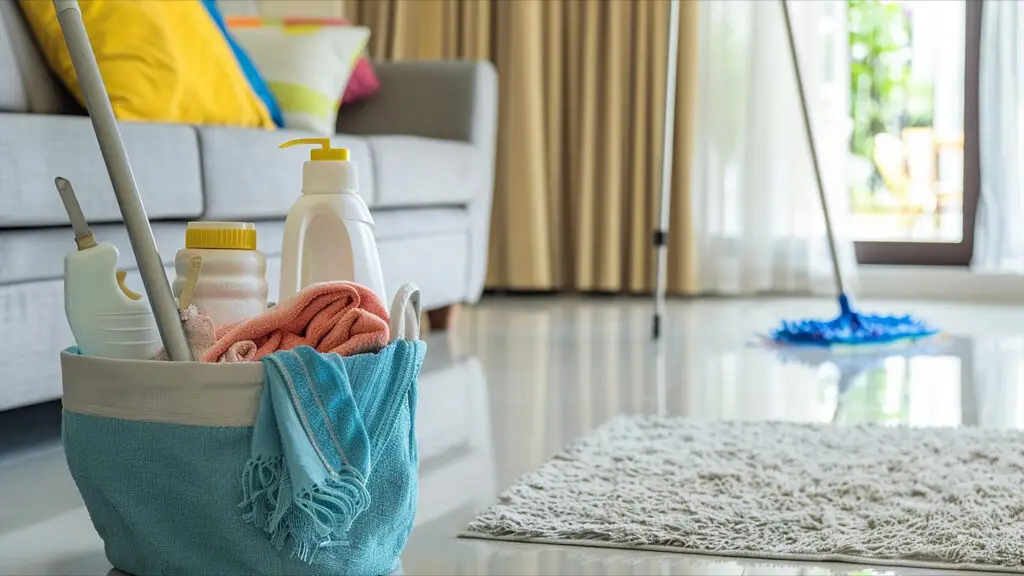
Home cleaning often feels straightforward. You vacuum floors, wipe kitchen counters, and clean bathrooms. After that, most people feel confident their home is clean. The reality is different. Many areas collect dirt slowly and silently, even when homes look spotless.
Overlooked home cleaning is about finding and maintaining the spaces most routines miss. These hidden areas can hold dust, bacteria, allergens, and moisture buildup. Over time, they can impact indoor air quality and overall home hygiene without being visible.
Most people naturally focus on what they can see. That makes sense. Visible mess feels urgent. However, dirt that builds in hidden zones often stays longer and spreads more easily. Understanding overlooked home cleaning helps create a deeper level of cleanliness that supports both comfort and health.
Why Hidden Areas Collect Dirt Faster Than You Expect
Many hidden spaces stay dirty simply because they are not part of daily or weekly cleaning habits. These locations are often hard to reach or rarely inspected, which makes them perfect environments for gradual buildup.
Dust travels through airflow. Moisture collects in sealed spaces. Bacteria spreads through frequent touching. When these factors combine, dirt accumulates without obvious signs.
Homes benefit when overlooked home cleaning becomes part of the maintenance routine. Adding a few hidden spots to regular schedules can significantly improve long-term cleanliness.
Common reasons these areas are missed include:
- They are difficult to access
- They rarely look dirty at first glance
- They are not included in weekly cleaning routines
- Germ risk is often underestimated
- Dirt builds slowly, making it less noticeable
Small adjustments to routines can improve home hygiene without adding major workload.
The Most Common Hidden Areas That Need Attention
Many homes share similar hidden dirt patterns. These spaces are not always obvious, but they can strongly influence indoor cleanliness.
High-touch surfaces are often underestimated. Light switches and door handles are touched constantly throughout the day. Because of this, they can spread bacteria quickly if not cleaned regularly.
Appliance edges and back areas also collect dust and grease buildup. Kitchens especially create airborne grease particles that settle in areas people rarely check.
Air circulation systems also move dust throughout homes. Vents and return grilles can spread particles into clean rooms if not maintained.
Key hidden areas often include:
- Light switches and door handles
- Behind refrigerators and ovens
- Baseboards and trim edges
- Air vents and return covers
- Under heavy furniture
- Trash can interiors
- Shower door tracks and liners
- Remote controls and electronics
- Closet floor corners
- Pet feeding zones
When these areas are included in overlooked home cleaning, overall hygiene improves dramatically.
How Hidden Dirt Impacts Home Health
A home can look clean but still contain hidden contamination. Dust and bacteria trapped in hidden spaces can slowly circulate through air movement and daily activity.
Ignoring hidden areas can contribute to:
- Dust recirculation through HVAC airflow
- Bacteria transfer through high-touch objects
- Odor buildup in enclosed spaces
- Increased allergen exposure
Adding overlooked home cleaning into regular routines helps reduce these risks and supports healthier indoor environments.
The Role of Moisture in Hidden Dirt Buildup
Moisture is one of the biggest contributors to hidden contamination. Bathrooms, kitchens, and laundry areas naturally create humidity. When moisture combines with dust or soap residue, it creates ideal conditions for bacteria growth.
Shower tracks, curtain liners, and washing machine seals are common moisture traps. Regular maintenance in these areas prevents buildup before it becomes visible.
Homes that include moisture zones in overlooked home cleaning routines often experience fewer odor and mold issues over time.
Why Professional Cleaning Often Finds More Dirt
Professional cleaning teams are trained to follow structured checklists. This allows them to identify hidden buildup that homeowners may not notice.
Professional services often include tools designed for deep surface cleaning and dust removal from tight spaces. This improves overall results and consistency.
Many homeowners add professional support into overlooked home cleaning strategies to maintain higher standards long term.
Professional cleaning typically includes:
- Rotational deep cleaning scheduling
- Detailed high-touch surface disinfection
- Hidden dust removal tools
- Appliance edge and base cleaning
- Detailed bathroom moisture zone cleaning
These methods help maintain stronger hygiene consistency across the home.
Building a Simple Routine That Covers Hidden Dirt
A strong routine does not need to be complicated. The key is dividing tasks by frequency and making them predictable.
A balanced cleaning structure helps maintain hidden spaces without overwhelming daily schedules.
Weekly priorities can include:
- Light switches
- Door handles
- Trash can interiors
- Pet feeding areas
Monthly priorities can include:
- Baseboards
- Closet floor edges
- Electronics
- Shower tracks
Seasonal deep cleaning can include:
- Behind appliances
- Under large furniture
- Air vents
- Storage corners
Following this type of system makes overlooked home cleaning manageable and sustainable.
Eco-Conscious Approaches for Hidden Dirt Control
Eco-friendly cleaning supports surface protection and reduces chemical exposure. Many eco methods also work extremely well in hidden areas.
Effective eco-conscious strategies include:
- Using microfiber cloths instead of disposable wipes
- Choosing plant-based disinfectants
- Using steam cleaning for deep sanitation
- Reducing excess product use
Eco methods often support long-term home maintenance while improving air quality.
Small Cleaning Details That Create Big Results
Small hidden areas often determine how clean a home truly feels. Visible surfaces create first impressions. Hidden spaces create long-term hygiene results.
When homeowners add hidden zones into cleaning plans, homes stay cleaner for longer periods. Cleaning also becomes easier because buildup never reaches extreme levels.
Consistent overlooked home cleaning improves air freshness, surface cleanliness, and overall comfort.
The Emotional Side of Deep Home Cleanliness
Clean homes affect mental comfort as much as physical hygiene. Knowing hidden spaces are clean creates peace of mind.
Many people report feeling more relaxed and focused in homes where deep cleaning is consistent. Clean environments support productivity and reduce daily stress.
When overlooked home cleaning becomes routine, homes feel lighter, fresher, and more comfortable to live in.
The Clean You Do Not See Often Matters Most
Hidden dirt is easy to ignore because it is invisible. However, these areas often have the biggest impact on home hygiene and air quality.
By including overlooked home cleaning in weekly, monthly, and seasonal routines, homeowners create stronger long-term cleanliness. This approach supports healthier living spaces and reduces heavy deep cleaning needs later.
True cleanliness is not just about what you see. It is about maintaining the spaces most people forget. When hidden areas stay clean, homes stay healthier, fresher, and easier to maintain every day.
