
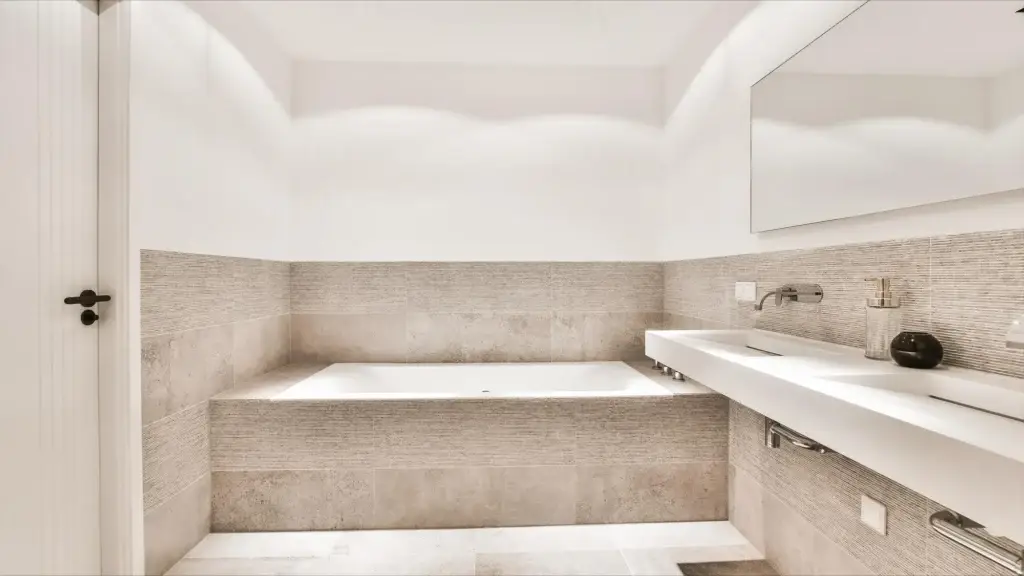
A clean bathroom is more than just looking good. It’s about hygiene, health, and peace of mind.
Most people clean their bathrooms regularly. But bathroom deep cleaning goes much further. It targets the hidden buildup, stubborn stains, and overlooked surfaces that a quick wipe-down misses entirely.
What makes bathroom deep cleaning different
Bathroom Deep Cleaning: Where to Start
Below is a summary of the key steps covered in this guide, organized for quick reference.
Regular cleaning maintains the surface. Deep cleaning restores it. Therefore, a deep clean tackles grout, drain buildup, fixture corrosion, and everything behind and underneath the visible areas.
Professional cleaners follow a system. They work from top to bottom and from dry to wet. Fortunately, you can follow the same method at home with the right tools and a bit of time.
How often should you deep clean your bathroom
Most bathrooms benefit from a deep clean every one to three months. However, high-traffic bathrooms, those used by guests, or coastal homes with humidity issues may need it more often.
Tip 1: Gather the right supplies before you start
Preparation makes bathroom cleaning tips easier to follow. Collect everything before you begin so you don’t have to stop midway.
You will need (all products should meet EPA Safer Choice standards):
- Microfiber cloths in several sizes
- A stiff grout brush
- An old toothbrush for tight spaces
- White vinegar and baking soda
- A non-toxic bathroom cleaner or disinfectant
- Rubber gloves
- A squeegee
- A bucket
Using eco-friendly, non-toxic products protects your family and reduces chemical exposure in an enclosed space.
Tip 2: Start at the top and work your way down
This is the most important rule in any bathroom deep cleaning routine. Dust and debris fall downward. Therefore, if you clean the floor first, you’ll need to do it again.
Start with:
- Light fixtures and exhaust fan covers
- The top of cabinets and shelving units
- Mirror frames and the top edges of the mirror
- Wall tiles, beginning at the top
Wipe each surface with a damp microfiber cloth. Use a dry cloth to finish. Consequently, no streaks are left behind on vertical surfaces.
How to clean the exhaust fan properly
Turn off the power at the circuit breaker first. Remove the cover and soak it in warm soapy water. Use a soft brush to remove dust from the fan blades inside the housing. Dry the cover fully before reinstalling. A clean exhaust fan improves ventilation and reduces moisture buildup.
Tip 3: Deep clean grout lines
Grout is porous. It absorbs moisture, soap scum, and bacteria. Over time, it darkens and becomes a source of mildew. Deep cleaning grout is one of the most impactful bathroom cleaning tips you can follow.
Make a paste using baking soda and a small amount of water. Apply it directly to grout lines. Let it sit for five minutes. Then scrub with a stiff grout brush using small circular motions. Rinse thoroughly with warm water.
For stubborn staining, spray white vinegar over the baking soda paste before scrubbing. The reaction helps lift deep-set grime.
Sealing grout after cleaning
After cleaning, consider applying a grout sealer. This creates a protective barrier that resists future staining and makes routine cleaning much easier. Reapply the sealer once or twice a year for best results.
Tip 4: Sanitize bathroom surfaces from sink to toilet
Every surface in your bathroom needs attention during a deep clean. Work methodically so nothing gets missed.
Sink and vanity:
- Remove everything from the counter
- Clean the faucet and handles with a small brush to remove mineral deposits
- Scrub the sink basin, including the overflow drain
- Wipe down the vanity cabinet fronts and handles
- Clean the mirror with a glass cleaner, wiping in an S-pattern to avoid streaks
Toilet:
- Apply toilet bowl cleaner under the rim and let it sit while you clean the outside
- Wipe the tank, lid, seat top and bottom, and base with a disinfectant cloth
- Scrub inside the bowl with a toilet brush, including under the rim
- Flush to rinse
Shower and bathtub:
- Spray all surfaces with a bathroom cleaner and allow dwell time
- Scrub tile walls, paying close attention to the grout lines
- Clean the tub floor and sides, removing soap scum buildup
- Rinse all surfaces thoroughly with warm water
- Use a squeegee on glass doors or shower walls to remove remaining water
Tip 5: Deep clean the showerhead
Mineral deposits clog showerheads over time. As a result, water pressure drops and spray patterns become uneven.
Fill a plastic bag with undiluted white vinegar. Secure it around the showerhead with a rubber band so the head is fully submerged. Leave it overnight. In the morning, remove the bag and run the shower on hot for a minute to flush out loosened deposits. Use an old toothbrush to scrub the spray nozzles.
This simple step restores full water pressure and removes hidden bacterial buildup inside the fixture.
Tip 6: Tackle the floor last
After cleaning all other surfaces, the floor is your final step. This ensures all fallen debris is captured in one pass.
- Sweep or vacuum the floor to remove hair and dust
- Mix a floor cleaner appropriate for your tile or grout type
- Mop the entire floor, including corners and the area behind the toilet
- Pay special attention to the floor around the toilet base
- Allow the floor to dry fully before using the bathroom
Cleaning floor grout
Use the same baking soda method described for wall grout. Floor grout often has heavier buildup due to foot traffic. Therefore, it may require a second application and more scrubbing time.
Tip 7: Clean drains and prevent future clogs
Hair and soap residue build up in bathroom drains quickly. A clogged or slow drain is one of the most common bathroom problems.
Remove the drain cover and pull out any visible hair manually. Then pour a mixture of baking soda and white vinegar down the drain. Let it fizz for ten minutes. Follow with a kettle of hot water. This clears buildup and neutralizes odors without harsh chemicals.
As a preventive measure, use a drain catcher to collect hair before it enters the drain.
Tip 8: Restore shine to fixtures and hardware
Chrome and stainless steel fixtures lose their shine due to water spots and soap buildup. Additionally, coastal homes deal with salt air corrosion.
Dry all fixtures after cleaning with a microfiber cloth. For stubborn water spots, apply a small amount of white vinegar with a cloth and buff dry. To maintain shine between deep cleans, wipe fixtures dry after each use.
For chrome fixtures showing early signs of corrosion, apply a thin layer of car wax. It creates a protective barrier against moisture and salt air.
Tip 9: Reorganize and restock
A deep clean is the perfect time to reassess what’s in your bathroom. Discard expired products, empty bottles, and anything you no longer use.
- Check medication expiry dates and dispose of outdated items safely
- Wipe down all product bottles before returning them to shelves
- Refold or replace towels
- Replace your toothbrush if it’s more than three months old
- Restock toilet paper, soap, and any other essentials
A well-organized bathroom stays cleaner longer because there’s less clutter trapping dust and moisture.
Your bathroom deserves a professional deep clean
Following these bathroom cleaning tips will give you a noticeably cleaner space. However, a truly thorough bathroom deep cleaning — one that hits every corner, treats every surface, and leaves no buildup behind — takes time and expertise.
