
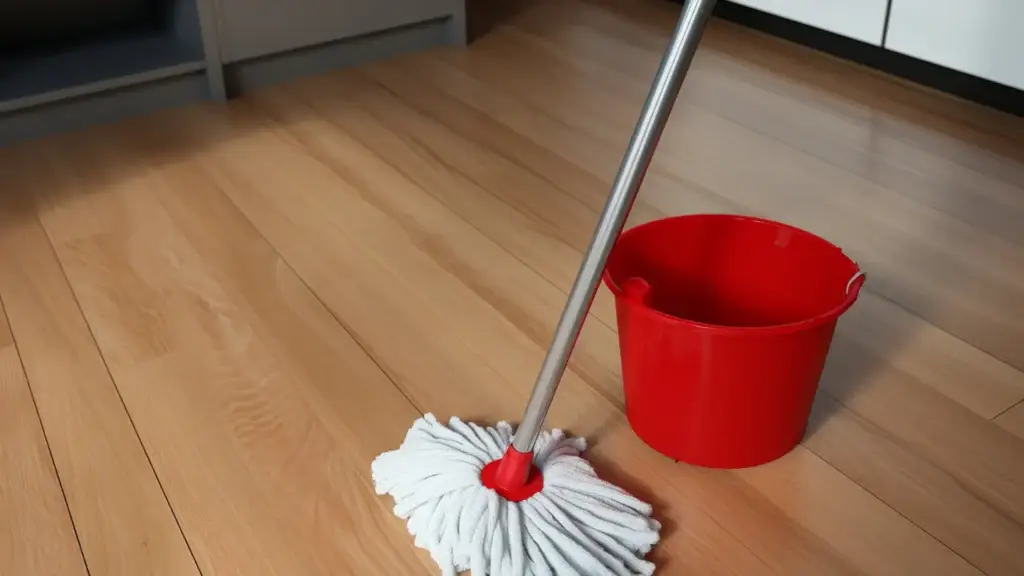
Hardwood floors are one of the most valuable and most easily damaged features in a home. The damage rarely happens in a single incident. It accumulates through repeated use of the wrong products, incorrect techniques, or too much moisture applied too frequently. Understanding how to clean hardwood floors correctly means understanding what the material is actually sensitive to and adjusting your routine accordingly.
For homes in Nantucket, Cape Cod, and Martha’s Vineyard, the correct approach has several additional dimensions. Salt air exposure, coastal humidity, and high sandy foot traffic in summer create conditions that require both more frequent cleaning and more careful technique than inland properties face.
What makes hardwood floors vulnerable
- Hardwood flooring is natural wood with a protective finish, typically polyurethane in modern installations or an oil or wax finish in older ones. Both the wood and the finish have specific vulnerabilities:
- Moisture: Wood absorbs water. Excess moisture warps planks, causes the joints between boards to swell and buckle, and penetrates the finish in ways that allow water damage to the wood itself. In coastal environments where interior humidity is already elevated, the margin for error with wet cleaning is smaller than in dry inland homes.
- Abrasion: Hardwood finishes scratch. Sand, grit, and debris tracked across the floor act as abrasives that create micro-scratches in the finish. These scratches individually are invisible, but they accumulate into visible dullness over months and years. In summer coastal homes, sandy foot traffic is the primary driver of this damage.
- Chemical damage: Many common household cleaning products are inappropriate for hardwood. Vinegar, which is frequently suggested in home cleaning guides, is acidic and degrades polyurethane finish over time. Oil soaps leave a residue that builds up and becomes sticky, attracting more dirt. Bleach and ammonia-based products strip finish and can discolor wood.
- Heat and steam: Steam mops, though popular for other floor types, force steam directly into the wood and finish, causing warping and finish delamination. They should never be used on hardwood floors.
Step-by-step: how to clean hardwood floors correctly
Step 1: Dry cleaning first, every time
Before any liquid product touches the floor, remove all dry debris. This is not optional: cleaning wet over sandy or gritty debris grinds abrasive material into the finish with every mop stroke.
Use one of the following:
- A soft-bristle broom: effective for large debris, less effective for fine particles
- A microfiber dust mop: the best dry-cleaning tool for hardwood, picks up fine particles through static charge
- A vacuum set to the bare floor or hard floor mode: the beater bar (rotating brush) must be disengaged; with the brush on, it creates circular scratches in the finish
Work in the direction of the floorboards, not across them. Debris settles between boards and is more effectively removed by cleaning with the grain than against it.
Frequency for coastal homes: In summer, when sandy foot traffic is constant, this step should happen daily in high-traffic areas and every two to three days throughout the home. This is the single most important thing coastal homeowners can do to protect hardwood floors.
Step 2: Choose the right cleaner
This step has the most significant impact on long-term floor condition.
What to avoid:
- Vinegar or vinegar-based DIY solutions: acidic pH degrades polyurethane finish
- General-purpose multi-surface cleaners: usually too alkaline or leave residue
- Oil soaps (Murphy’s Oil Soap and similar): leave a film that builds over time
- Bleach or ammonia-based products: strip finish and potentially discolor wood
- Steam: forces moisture into wood
- Any product not specifically formulated for hardwood floors
What to use: A cleaner specifically designed for your finish type. Most modern hardwood floors have a polyurethane finish; cleaners labeled for polyurethane-finished wood are appropriate. For oil-finished floors, which are common in older properties including some historic Nantucket and Cape Cod homes, the care protocol is different and specific to oil-based products.
If you are unsure of your floor’s finish type: apply a few drops of water to an inconspicuous area. If the water beads, the finish is intact and likely polyurethane. If it soaks in, the finish may be oil-based or the polyurethane may be worn through in that area.
When in doubt, contact your flooring manufacturer or installer with the product name and the finish type, and ask for their recommended cleaning product. Following manufacturer guidance is the correct standard for warranty and damage claims.
Step 3: Damp mop with controlled moisture
“Damp” in hardwood cleaning means almost dry. The mop should hold only enough moisture to clean, not enough to leave any standing or visible moisture on the floor. Wring a microfiber flat mop thoroughly until it no longer drips when held over a sink.
Apply your cleaning solution to the mop head, not to the floor directly. Pouring liquid onto hardwood, even briefly, creates localized moisture exposure that can cause spots and warping.
Work in manageable sections, typically one room at a time, and ensure the floor appears dry (no sheen of moisture) within 30 to 60 seconds of mopping. In conditions of high humidity, use a fan or open windows to facilitate faster drying. In coastal homes with already-elevated humidity, damp mopping less frequently (once a week rather than more) is the safer approach.
Step 4: Spot-clean as needed between full cleaning sessions
Spills should be addressed immediately: blot (do not rub) with a clean cloth from the outside of the spill inward, removing as much liquid as possible before it can penetrate the finish. For sticky residue, apply a small amount of the appropriate hardwood cleaner to a cloth and work on the spot directly rather than applying to the floor.
Hardwood floor care in coastal homes: additional considerations
Managing humidity
The National Wood Flooring Association recommends maintaining indoor relative humidity between 35 and 55 percent for hardwood floors. Below this range, wood shrinks and gaps develop between boards. Above this range, wood swells and boards can buckle or cup.
In Nantucket and Cape Cod homes, where summer humidity frequently exceeds 70 percent outdoors and infiltrates interior spaces through ventilation and door use, a dehumidifier is a practical investment. Run it during humid periods, particularly in summer and in any room with poor air circulation.
Seasonal movement is normal and expected: gaps that appear in winter typically close in summer as humidity rises. However, excessive movement, visible cupping, or persistent gaps outside the expected seasonal range indicate a humidity control problem that should be addressed before it causes permanent damage.
Sand management
The most effective protection for hardwood floors in a coastal home is preventing sand from reaching them. Exterior mats at every entry, a designated place for shoes, and a household expectation that sandy footwear stays outside reduces the abrasive load significantly.
For families with children and seasonal rental guests who cannot be directed as effectively, the answer is frequency: dry-clean the floors more often. A daily sweep or dust-mop in summer eliminates the sand before it accumulates to a level that causes visible damage.
Saltwater and coastal cleanup
Direct saltwater exposure from wet swimwear, leaking water sports equipment, or flooding requires immediate response. Saltwater is particularly corrosive to both the wood and the finish. Blot up all visible moisture immediately, apply a minimal amount of hardwood-safe cleaner to remove any salt residue, then allow the area to dry completely before walking on it.
When hardwood floors need professional attention
Some hardwood floor issues are beyond the reach of routine cleaning:
Finish wear: In high-traffic areas, the protective finish wears through over years of use. Once the finish is compromised, the bare wood is directly exposed to moisture and abrasion. Refinishing restores the protective layer and the floor’s appearance.
Deep scratches or gouges: These cannot be cleaned away. They require filling, screening, or in severe cases board replacement.
Cupping or buckling: Planks that have lifted, warped, or created visible ridges at the board edges indicate a moisture problem that has affected the structural integrity of the installation. This requires both remediation of the moisture source and professional assessment of the floor’s condition.
Persistent dullness that does not respond to cleaning: Can indicate finish depletion, product buildup (from years of oil soap or wax), or surface contamination. A professional assessment can identify the cause and the appropriate treatment.
Frequently asked questions about cleaning hardwood floors
How often should hardwood floors be damp-mopped? For most homes, once a week is appropriate. For coastal homes with high sandy foot traffic in summer, dry-cleaning should happen daily or every other day, but damp-mopping should remain weekly or less to avoid excess moisture exposure.
Can I use a robot vacuum on hardwood floors? Yes, if the robot vacuum has a mode that disengages the beater bar for hard floors. Most modern models have a hardwood setting. The limitation is that robot vacuums typically do not capture fine sand particles as effectively as a microfiber dust mop, making them a supplement rather than a complete replacement for manual dry-cleaning in a sandy coastal environment.
Why are my hardwood floors still dull after cleaning? The most common cause is product buildup: oil soaps and wax-based products leave residue that accumulates into a dull film. The remedy is a deep-clean with a product specifically designed to remove floor finish buildup, followed by switching to an appropriate non-residue cleaner. A second cause is finish wear: if the finish is depleted in high-traffic areas, cleaning will not restore shine to bare wood.
What is the difference between hardwood and engineered hardwood cleaning? Engineered hardwood, which consists of a real wood veneer over a plywood core, is generally more moisture-resistant than solid hardwood but should be cleaned with the same products and the same moisture-minimizing technique. The key difference is that engineered hardwood typically cannot be refinished as many times as solid hardwood, making the protective finish even more important to maintain.
The right technique protects the investment
Hardwood floors properly maintained last the lifetime of a home. The National Wood Flooring Association documents properties with original hardwood floors that are 100 years old and still in serviceable condition because they were maintained correctly across generations. The most common cause of premature finish failure is not age or traffic: it is the wrong cleaning products applied with the wrong technique.
For coastal homes in Nantucket, Martha’s Vineyard, and Cape Cod where sandy foot traffic, humidity, and salt air create additional challenges, the investment in correct technique and appropriate frequency is even more directly connected to the floor’s long-term condition.
Knowing how to clean hardwood floors correctly is half the work. If you would rather spend your summer enjoying your Nantucket or Cape Cod home than maintaining it, request a quote for a cleaning plan that includes proper hardwood care matched to your floor type and coastal conditions.
