
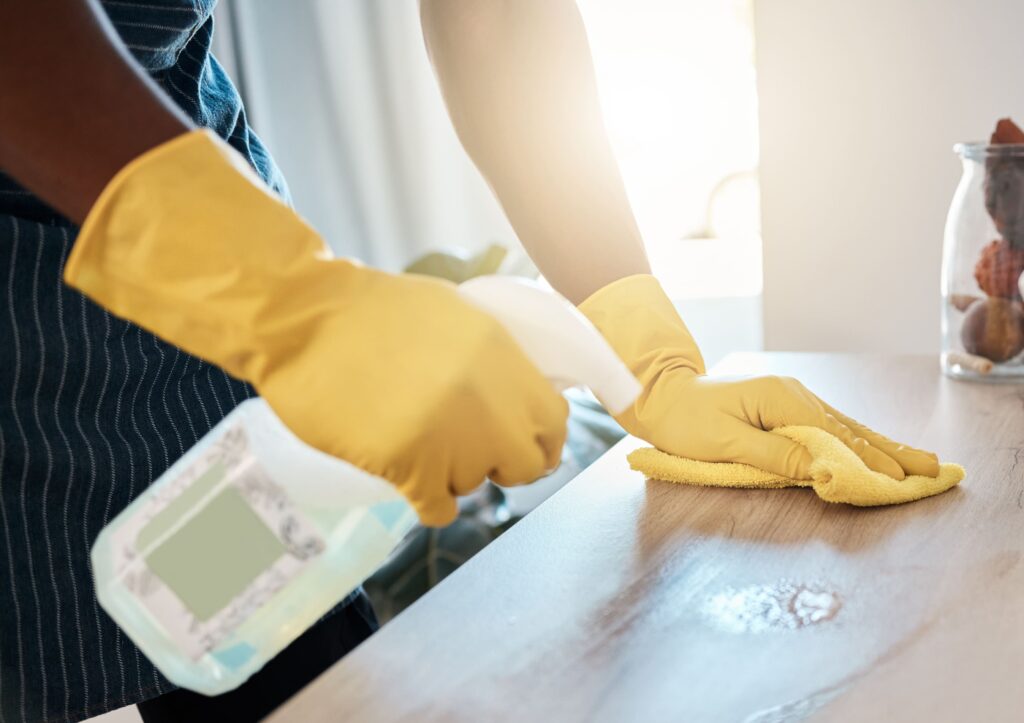
We often think of cleaning as a chore we do for guests, but the most important reason to clean is actually preservation. Over time, dust, oils, and moisture act like slow-moving agents of wear and tear. By adopting consistent, gentle cleaning habits, you can protect your home’s finishes, flooring, and fixtures, keeping them in “like-new” condition for years longer than you would otherwise.
Why This Cleaning Task Matters
When you leave dust, grime, or moisture on surfaces, you aren’t just leaving a mess—you are allowing damage to set in.
- The “Sandpaper” Effect: Dust and grit are abrasive. When left on floors or furniture, everyday friction grinds these particles into the finish, causing micro-scratches that dull surfaces over time.
- Chemical Breakdown: Oils from fingerprints, food residue, and mineral deposits from water can etch stone, corrode metal, and break down protective coatings on wood.
- Prevention is Cheaper than Repair: Reacting to a stain or a scratched floor often requires aggressive chemicals or expensive refinishing. Regular, low-impact maintenance prevents these issues from ever reaching that stage, ultimately protecting your budget and your home’s resale value.
Step-by-Step Cleaning Method
Wipe Spills Immediately
Don’t let liquids settle. Whether it’s water on a wood floor or coffee on a stone countertop, quick action prevents moisture from warping wood or staining porous surfaces.
- Tip: Always blot, don’t rub, to avoid spreading the spill or pushing it deeper into the material.
Dust From Top to Bottom
Gravity is your enemy in cleaning. If you clean floors before dusting shelves, you’ll just have to clean the floors twice. Always work from the highest point in the room down to the baseboards and floors.
Protect Your Floors
High-traffic areas collect grit that acts like sandpaper on your floor’s finish.
- Daily: Sweep or dry-mop high-traffic zones to remove loose dirt.
- Weekly: Vacuum using the appropriate attachment for your floor type (use a soft brush for wood to avoid scratches).
Keep Surfaces Dry
Moisture is the primary cause of mineral spots on faucets and soap film on shower tiles. After using sinks or showers, a quick wipe with a dry cloth keeps these surfaces looking polished and prevents the buildup that leads to corrosion.
Recommended Tools and Products
- Microfiber Cloths: Essential for capturing dust and polishing glass or metal without scratching.
- pH-Neutral Cleaners: Safe for natural stone, hardwood, and specialized appliance finishes.
- Soft Brush Attachments: Ideal for vacuuming delicate upholstery, baseboards, and air vents.
Weekly Cleaning Checklist
- Dust: All hard surfaces, shelves, and baseboards using a microfiber cloth.
- Vacuum: All floors, focusing on high-traffic entryways and living spaces.
- Sanitize: High-touch points like doorknobs, light switches, and faucet handles.
- Damp Mop: Floors using a pH-neutral cleaner safe for your specific material.
Safety Note: Always test cleaning products on an inconspicuous spot first. Avoid excessive water on wood or stone, and check manufacturer labels to ensure the product is compatible with your finishes.
Mistakes to Avoid
- Using Harsh Chemicals: Acidic or abrasive cleaners can strip finishes, leaving your surfaces vulnerable to dirt and damage. Stick to pH-neutral options.
- Ignoring Moisture: Never let water sit on wood, metal, or natural stone. It causes warping, corrosion, and permanent water spots.
- Skipping the Details: Dust tends to gather in corners, vents, door trim, and behind handles. Neglecting these areas creates a dingy look that accumulates over time.
When Professional Cleaning Helps
Professional recurring cleaning is one of the best ways to protect your home’s value. Professionals have the expertise to use the right product for every surface and the techniques to clean without causing wear. They can also spot early signs of damage—like a failing caulk line or a hidden leak—before they become costly repairs.
If you want a home that stays fresh and well-cared for without spending your weekends on recurring chores, recurring professional cleaning is a smart investment in your home’s longevity.
Ready to keep your home looking its absolute best? [Click here to get your custom quote from Quality Cleaning Services and protect your home’s value!]
FAQ
What cleaning habits help a home look newer?
Consistent dusting, immediate spill management, and using the correct pH-neutral cleaning products are the most effective habits. These practices prevent the gradual buildup of abrasive grit and chemical residue that dulls finishes over time.
How often should I clean high-traffic areas?
High-traffic areas should be swept or dry-mopped daily to remove loose dirt before it gets ground into the flooring. A thorough vacuuming and damp mop should be done at least once a week.
Can regular cleaning protect surfaces over time?
Yes. Regular, gentle cleaning removes abrasive particles and corrosive oils before they can bond to surfaces. This prevents the micro-scratches and finish degradation that make a home look aged, effectively extending the life of your floors, furniture, and fixtures.
