
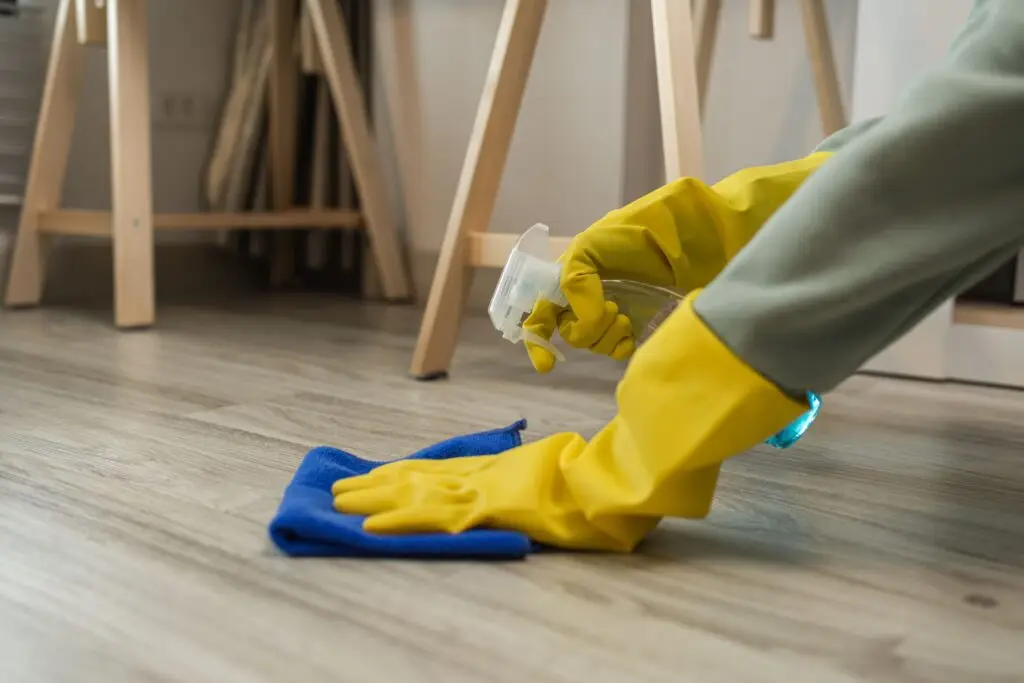
Your home is likely your biggest investment, and your flooring and furniture are the most high-use components of that asset. Every day, they are subjected to invisible wear: microscopic grit, settling dust, oils from skin and pets, and the occasional spill. When we think of “cleaning,” we often think of aesthetics, but the true value of a consistent cleaning routine is preservation.
By adopting a few strategic habits, you can stop the slow accumulation of damage that dulls finishes, thins upholstery fibers, and wears down protective coatings, ensuring your home stays in “like-new” condition for years to come.
Why This Cleaning Task Matters
Every surface in your home—whether it is a solid wood floor or a fabric armchair—has a tolerance for debris.
- The Grit Problem: Dirt and sand particles are essentially tiny, jagged rocks. When these sit on your floors or weave their way into upholstery fibers, every step you take or time you sit down, you are grinding those particles into the surface. This is the #1 cause of scratches on hardwood and the reason fabric furniture looks “worn” long before it should.
- Preventive Economics: Refinishing a hardwood floor or reupholstering a sofa is an expensive and disruptive project. A consistent, low-impact cleaning routine costs pennies compared to the thousands you spend on repairs and replacements.
- The Buildup Cycle: Neglect leads to hardened messes that require aggressive, harsh chemicals to remove. Gentle, recurring maintenance prevents these situations from ever developing.
Step-by-Step Cleaning Method
Manage Grit at the Source
Preventing dirt from entering your living space is the most effective way to protect your floors.
- Entryway Systems: Use high-quality mats inside and outside your doors.
- Furniture Pads: Place felt protectors on the legs of every chair and table. Even a heavy piece of furniture will vibrate slightly when you walk near it, and those vibrations cause “micro-scratches” on wood floors if the feet are bare.
The Vacuum and Dust Rhythm
- Floors: Vacuum high-traffic areas at least once a week. Use a hard-floor setting (with the beater bar turned off) for wood and tile to avoid unnecessary impact.
- Furniture: Use the upholstery attachment on your vacuum to remove dust and crumbs from chair and sofa cushions. Dust acts like sandpaper against fabric fibers; removing it prevents the fabric from becoming brittle.
Rapid Spill Response
Speed is everything. If something spills, blot it immediately—never rub. Rubbing pushes the liquid deeper into the fibers or wood grain. For wood, use a barely-damp cloth; for stone, ensure you use only pH-neutral cleaners to avoid etching.
Weekly Cleaning Checklist
- Clear the Path: Move chairs and light furniture to vacuum underneath.
- Dust Surfaces: Use a microfiber cloth on wooden tables and frames before vacuuming the floor.
- Detail Furniture: Vacuum upholstery crevices where crumbs and dust hide.
- Damp-Clean: Mop hard floors with a pH-neutral cleaner safe for your specific material.
Safety Note: Always test any cleaning product on an inconspicuous, hidden area (like the back of a leg or a corner of the rug). Avoid using excessive water on wood and stone, and always follow the manufacturer’s care instructions for your specific finishes.
Mistakes to Avoid
- Moisture Overload: Wood floors and wood furniture hate water. Never use a “sopping wet” mop or cloth. Excessive moisture causes wood to swell, joints to loosen, and finishes to bubble.
- The “One-Size-Fits-All” Cleaner: Using a heavy-duty degreaser on a wood table will eventually strip the finish. Using vinegar on stone will etch the surface. Always check the label to ensure the product is compatible with your specific surface.
- Ignoring “Dead Zones”: We often clean the center of a room but ignore the corners and underneath heavy pieces. Grit thrives in these static areas. Every few weeks, move the furniture to reach those hidden spots.
When Professional Cleaning Helps
Professional cleaning is the ultimate insurance policy for your home’s surfaces. Quality Cleaning Services brings the right expertise and specialized tools to your home, ensuring that dust, grit, and residue are removed from places you might miss. We understand the chemical composition of your floors and furniture and choose products that clean deeply without damaging protective finishes.
By letting us handle the recurring maintenance, you ensure that your floors stay lustrous and your furniture remains vibrant, all while freeing up your weekends.
Ready to protect your investment and enjoy a cleaner home? Click here to get your custom quote from Quality Cleaning Services and secure your recurring maintenance plan!
FAQ
How can I protect my floors while cleaning?
The most important step is removing abrasive grit through regular vacuuming or dry-mopping using a soft, microfiber attachment. Always use furniture pads on table and chair legs, and ensure that any liquid cleaners used are pH-neutral and safe for your specific flooring material (wood, tile, or vinyl).
What cleaning habits help furniture last longer?
Vacuuming upholstery regularly with an upholstery attachment is key, as it prevents dust—which is abrasive—from working its way into the fibers. Additionally, keeping furniture out of direct, intense sunlight prevents fading, and using the correct wood-safe cleaner maintains the finish on tables and frames.
Can professional cleaning protect flooring and furniture?
Yes. Professional cleaners use high-quality equipment and appropriate cleaning agents that remove dust and grit without causing wear. By maintaining a consistent schedule, professionals prevent the deep buildup of debris that grinds away at finishes, effectively extending the life of your flooring and furniture.
