
Quick Answer
The best way to remove sand is to dry collect it first with a vacuum or broom, then clean the surface based on floor type so grit does not scratch wood, settle into rugs, or spread through the home.
Why Sand Is Hard on Coastal Homes
Sand acts like an abrasive on floors
Each microscopic grain of beach sand is made of quartz and silica, meaning it acts just like fine sandpaper underfoot, quickly wearing down polyurethane finishes and gouging natural timber.
Entryways spread grit into living areas
Without an active capture strategy, foot traffic carries sand from the doorway deeper into hallways, kitchens, and living rooms within minutes.
Rugs and mats trap fine particles
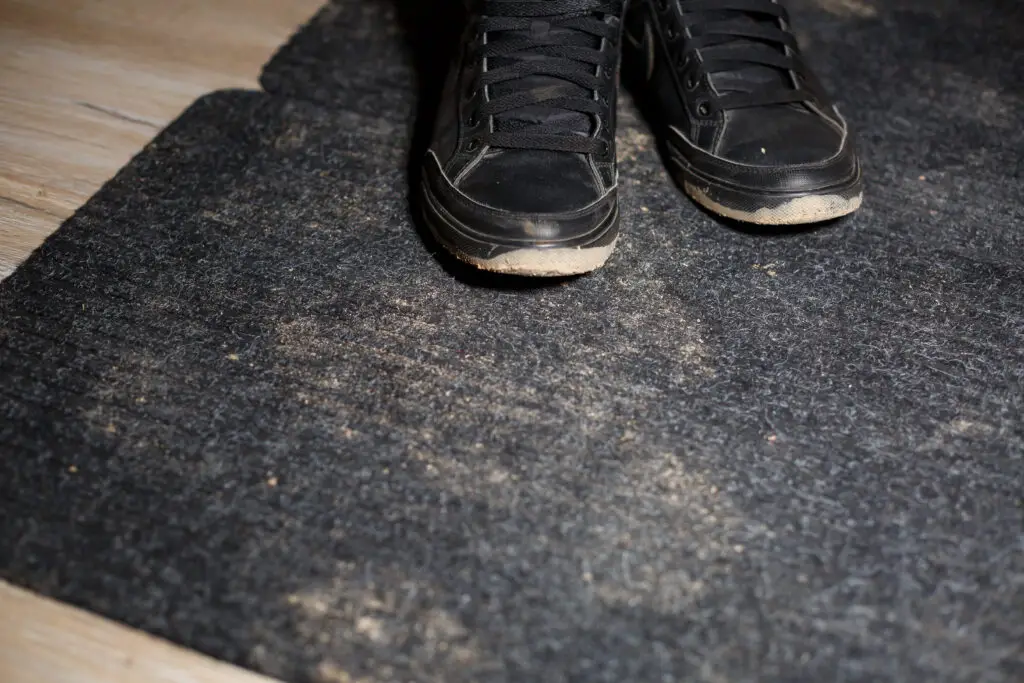
Fine sand sinks deep into the base of area rugs and carpets where normal foot traffic grinds the fibers against the backing, accelerating wear.
Connect the issue to beach homes, rental homes, and high-traffic family spaces.
Properties in coastal regions—especially beach houses, short-term rental turnovers, and active family homes on the shore—face a constant influx of sand that requires specialized cleaning habits to protect interior surfaces.
Best Cleaning Method by Surface
Hardwood floors
Use a soft-bristled broom or a vacuum with a bare-floor setting to remove loose grit. Never wet-mop until all sand is lifted, as wet sand scratches wood instantly. Follow up with a barely damp microfiber mop designed for wood.
Tile floors
Vacuum thoroughly to clear sand out of deep grout lines. Once dry debris is gone, damp-mop using a mild, pH-neutral cleaner to lift remaining film.
Laminate floors
Dry-sweep or vacuum frequently. Use a minimal amount of moisture when damp-mopping, as pooling water can seep into laminate seams and cause swelling.
Area rugs
Take smaller area rugs outside and shake them vigorously. For larger rugs, let sand dry completely, then vacuum slowly using a high-suction vacuum with beater bars turned off or adjusted.
Carpeted spaces
Vacuum carpets using slow, overlapping passes. If sand is deeply embedded, professional carpet extraction may be necessary to pull up grit settled at the backing.
Entry mats
Shake, beat, or vacuum both sides of outdoor scraper mats and indoor absorption mats weekly to reset their trapping capacity.
Explain when to vacuum, sweep, shake, dry mop, or damp mop.
- Vacuum: Best for carpets, rugs, grout lines, and total surface extraction.
- Sweep / Dry Mop: Ideal for daily clearing of hard flooring before moisture is introduced.
- Shake: Essential for outdoor mats and portable rugs to dislodge trapped weight.
- Damp Mop: The final step on hard surfaces only after 100% of loose sand has been removed.
What Not to Do When Cleaning Sand
Do not over-wet wood floors
Adding excessive water to sandy wood floors creates a muddy slurry that seeps into gaps and ruins planks.
Do not scrub grit into rugs
Scrubbing a stained or sandy spot on a rug pushes abrasive grains deeper into the fibers, cutting them from the inside out.
Do not use dirty mop water
Reusing cloudy, sand-filled mop water simply redistributes a abrasive film across your entire floor.
Featured Snippet opportunity: short list of mistakes.
- Skipping the dry sweep: Mopping over loose sand creates abrasive mud.
- Using stiff-bristled brooms: These can flick sand into baseboards or scratch delicate finishes.
- Forgetting rug backs: Failing to vacuum the underside of area rugs leaves trapped sand grinding against the floor underneath.
How to Prevent Sand From Spreading
Use layered mats
Deploy a coarse outdoor mat to scrape shoes, followed by an interior microfiber mat to catch remaining moisture and fine particles.
Create a shoe zone
Establish a strict drop-zone right inside the door for sandals, beach bags, and sandy footwear.
Shake towels outdoors
Never bring damp, sand-caked beach towels or gear directly into interior hallways or laundry rooms without shaking them out outside first.
Clean entryways more often
Increase your dry-sweeping frequency in high-traffic transition zones during peak beach and summer seasons.
Include a simple maintenance routine for coastal homes.
- Daily: Quick dry-vacuum or sweep of entryways and kitchen floors.
- Weekly: Shake out all mats, vacuum area rugs, and damp-mop hard flooring.
- Monthly: Deep inspect high-traffic paths and clean under movable furniture.
When Professional Cleaning Helps
Connect sand control to recurring residential cleaning and seasonal rental turnover cleaning for coastal properties.
Keeping up with relentless beach sand can quickly become exhausting. Partnering with professionals ensures that abrasive grit is completely extracted from your home’s flooring, baseboards, and hard-to-reach corners. Whether you need reliable upkeep or fast turnarounds for vacation guests, our team handles the heavy lifting.
Ready to keep your coastal home immaculate? Request a free quote for properties in Nantucket, Cape Cod, Martha’s Vineyard, and surrounding coastal areas.
For more helpful upkeep strategies, explore our guides on Entryway Cleaning Tips for Homes, How to Clean Hardwood Floors Without Damaging Them, and learn more about our Residential Cleaning services.
Frequently Asked Questions
What is the best way to remove sand from floors?
The golden rule is to remove sand dry first. Always vacuum or sweep up loose sand before introducing any water or cleaning solutions to prevent scratching.
Can sand scratch hardwood floors?
Yes. Because beach sand contains hard quartz and silica crystals, walking on it or pushing it around with a mop will quickly scratch and dull hardwood finishes.
Should I vacuum or sweep sand?
Vacuuming is generally better because it lifts sand out of textured surfaces, tile grout lines, and floor corners rather than just pushing it around like a broom can.
How do you get sand out of rugs?
Let the rug dry completely, take it outside to shake it vigorously, and vacuum both the top surface and the underside to draw out deeply embedded grit.
How do I keep sand from spreading through the house?
Use a double-mat system at every entrance, enforce a strict shoe-removal policy at the door, and shake out beach gear and towels outdoors before bringing them inside.
