
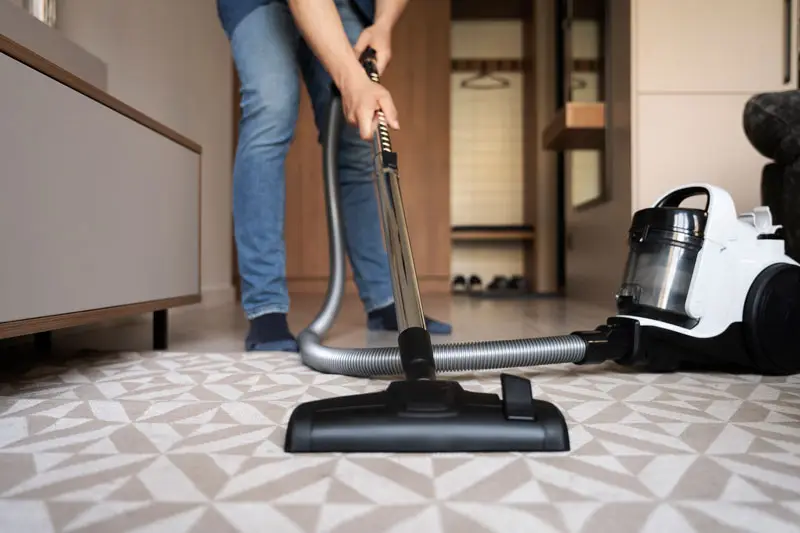
Winter brings a distinct shift in how we interact with our homes, transforming them into sanctuaries of warmth against the biting cold. However, as we retreat indoors to escape the dropping temperatures, our floors—specifically our carpets—begin to bear the brunt of the season’s harsh elements. The combination of increased indoor foot traffic and the inevitable tracking in of outdoor debris creates a perfect storm that can silently degrade the quality of your flooring.
While many homeowners reserve their most rigorous cleaning routines for the spring, neglecting your floors during the colder months can lead to long-term damage that is difficult to reverse. Implementing a strategy for winter maintenance is not merely about aesthetics; it is about preserving the integrity of your home’s textiles. Understanding the specific threats posed by winter weather is the first step toward ensuring your living space remains pristine and healthy throughout the season.
The Hidden Dangers of Road Salt and Ice Melt
One of the most aggressive enemies of your flooring during the winter months is the very substance used to keep us safe outdoors: road salt and ice melt. When these granular substances are tracked inside on boots and shoes, they do not simply sit on the surface of your rugs. Instead, the jagged crystals work their way deep into the pile of the carpet. As people walk over these areas, the crystals act like microscopic shards of glass, cutting and fraying the carpet fibers from the base up.
Furthermore, the chemical composition of ice melt is often highly alkaline. When these chemicals dissolve into the fibers—often activated by the moisture from melting snow—they can alter the pH balance of the carpet dye. This chemical reaction can lead to permanent discoloration, often manifesting as unsightly white or yellow stains that standard vacuuming cannot remove. Carpet cleaning in the winter is essential to extract these abrasive and chemically reactive particles before they cause irreversible structural damage to the weave.
5 Ways Moisture and Mud Impact Hygiene
Winter is synonymous with wet weather, be it snow, sleet, or freezing rain. This constant moisture creates a challenging environment for maintaining a healthy home.
- Mold and Mildew Growth: When moisture from snow-covered boots seeps into carpet fibers, it can penetrate the backing and the padding underneath. In a warm house, this trapped moisture creates an ideal breeding ground for mold and mildew, which can develop unnoticed until a musty odor becomes apparent.
- Bacterial Harboring: Mud tracked in from the outdoors is not just dirt; it often contains decaying organic matter and bacteria. A deep clean is required to sanitize these areas effectively, as surface cleaning often fails to reach the bacteria trapped in the lower levels of the carpet pile.
- Pest Attraction: Damp, dirty carpets can attract unwanted pests looking for shelter and food sources. Silverfish and dust mites thrive in humid, undisturbed environments found deep within soiled carpets.
- Adhesion of Dirt: Wet fibers hold onto dirt more stubbornly than dry fibers. As the mud dries, it acts as a binder, cementing abrasive soil to the carpet strands, making it significantly harder to remove with a standard vacuum cleaner.
- Weakening of Glues: For wall-to-wall carpeting, excessive moisture can eventually weaken the latex glues that hold the primary and secondary backings together, leading to delamination or rippling of the carpet.
The Science of Indoor Air Quality in Winter
During the winter, we naturally keep our windows and doors tightly sealed to conserve heat. While this is excellent for energy efficiency, it significantly reduces the circulation of fresh air, causing the same air to be recycled through the HVAC system repeatedly. In this closed-loop environment, your carpet acts as a massive filter, trapping airborne pollutants, dust, pet dander, and allergens.
However, like any filter, a carpet has a saturation point. Once it is full of dust and debris, it can no longer effectively trap new particles. Instead, simply walking across the floor releases a plume of trapped allergens back into the air you breathe. This is often why respiratory issues and allergies seem to spike during the winter months. Regular carpet cleaning during this season essentially “empties the filter,” significantly improving the indoor air quality. According to the American Lung Association, keeping fabrics and carpets clean is a critical step in managing indoor allergens and dust mites.
Why Rug Shampooing is Different from Vacuuming
Many homeowners believe that frequent vacuuming is sufficient to combat winter messes. While vacuuming is a crucial daily or weekly maintenance task, it is strictly a surface-level solution. Vacuum cleaners rely on suction to remove loose debris, but they generally lack the power to extract oily soils, sticky residues, or the heavy particulate matter that has settled at the base of the fibers.
Rug shampooing and hot water extraction methods operate on a different principle. These methods utilize heated water and specialized cleaning solutions to break the bond between the dirt and the fiber. The agitation and subsequent extraction remove the suspended soil that a vacuum simply cannot reach. In the context of winter, where sticky mud and salt residues are prevalent, the chemical breakdown provided by shampooing is necessary to truly cleanse the textile. Without this deep clean, layers of grime continue to build up, matting the fibers and dulling the vibrant colors of the rug.
Extending the Lifespan of Your Investment
High-quality carpets and area rugs are significant investments in your home’s interior design. Whether you possess hand-woven wool rugs or luxurious wall-to-wall broadloom, these assets require stewardship to retain their value. The accumulation of winter grit is the primary cause of premature wear patterns. You may notice “traffic lanes”—areas where the carpet looks darker and flatter—developing more rapidly in the winter.
This matting is caused by the abrasion of fibers against the grit trapped within them. Once a fiber is scratched and frayed, it reflects light differently, looking dull and dirty even after it has been cleaned. By scheduling carpet cleaning during the winter months, you are essentially performing preventative maintenance. You are removing the abrasive materials before they have the time to wear down the fibers, thereby extending the usable life of the carpet by years.
Heavy-duty Home Cleaning for High Traffic Zones
Not all areas of the home require the same level of attention. During winter, specific zones take a beating and require what we might call heavy-duty home cleaning. Entryways, mudrooms, and hallways are the first line of defense against the outdoors. These areas act as “walk-off” zones where the majority of soil is deposited.
If these areas are not cleaned professionally, the soil eventually migrates. As people walk from a dirty entryway onto a clean living room rug, they transfer the dirt deeper into the home. Focusing heavy-duty cleaning efforts on these transition zones is a strategic move. It creates a barrier of cleanliness that protects the interior rooms. It is often recommended to increase the frequency of cleaning for these specific high-traffic zones during the snow season, rather than waiting to clean the entire house all at once in the spring.
The Psychological Benefit of a Clean Home in Winter
There is a distinct psychological component to the state of our homes during the winter. With shorter days and longer nights, we spend a significantly larger portion of our time indoors. The environment we inhabit directly influences our mood and mental well-being. A home that feels fresh, smells clean, and looks bright can be a powerful antidote to the “winter blues.”
Dingy, stained carpets can make a room feel smaller, darker, and more oppressive. Conversely, freshly cleaned carpets lift the aesthetic of the entire room, making the space feel expansive and welcoming. The scent of a clean home contributes to a sense of order and calm. Therefore, carpet cleaning in the winter is not just a chore; it is a way of curating a pleasant and restorative living environment for yourself and your family during the months when you need it most.
Addressing Pet Messes and Odors
For households with pets, winter presents a unique set of challenges. Dogs and cats spend more time indoors, and when they do go out, they return with wet fur and muddy paws. The “wet dog” smell is a common winter complaint, and it is often caused by oils and bacteria from the pet’s coat transferring onto the carpet and furniture.
Furthermore, accidents may happen more frequently if pets are reluctant to go outside in freezing temperatures. Urine spots that are not treated immediately and professionally can crystallize and bond with the carpet fibers. The heat from your home’s furnace can then reactivate the odor-causing bacteria in these spots. Professional carpet cleaning utilizes enzymatic cleaners that digest these organic materials, neutralizing odors at the source rather than simply masking them with perfumes.
The Myth of “Waiting Until Spring”
A common misconception is that it is better to wait until winter is over to clean the carpets, the logic being that they will just get dirty again. However, this approach is akin to not washing your car in the winter because of the road salt. Just as salt rusts your car if left to sit, winter grime degrades your carpet if left to fester for months.
Waiting until spring allows stains to set permanently. The tannins in mud, the dyes in food spills, and the chemicals in ice melt all have time to bond with the fibers. By the time spring cleaning rolls around, what could have been a simple cleaning job has turned into a complex restoration project. Periodic maintenance cleaning throughout the winter breaks this cycle of accumulation, ensuring that your spring cleaning is a refresh rather than a rescue mission.
Understanding Drying Times in Winter
One hesitation homeowners often have regarding winter carpet cleaning is the concern over drying times. There is a belief that carpets will stay wet for days due to the cold weather. In reality, the opposite is often true. Winter air is naturally drier (lower humidity) than the humid air of summer.
Additionally, because your heating system is running, there is a constant flow of warm, dry air circulating through the house. This environment can actually facilitate faster drying times than a humid summer day. Professional technicians can also utilize air movers and control the indoor temperature to ensure that carpets are dry and ready for use within a few hours, negating the risk of mold growth from prolonged dampness.
Protecting Warranty Requirements
Many carpet manufacturers include specific maintenance clauses in their warranties. It is not uncommon for a warranty to stipulate that the carpet must be professionally cleaned by hot water extraction every 12 to 18 months to remain valid.
If you skip a winter cleaning and exceed this timeframe, you may inadvertently void your warranty coverage. Should a defect in the carpet arise later, the manufacturer may request proof of professional cleaning. Keeping a consistent schedule, regardless of the season, ensures you remain compliant with these requirements and protects your financial recourse should the product fail.
Specialized Care for Wool and Natural Fibers
Natural fibers like wool, silk, and cotton require a nuanced approach, especially in winter. Wool, for instance, is highly absorbent. It can hold up to 30% of its weight in moisture without feeling wet to the touch. This hygroscopic nature means it can absorb a significant amount of winter dampness and dissolved salts.
Salt is particularly damaging to natural fibers as it draws moisture out of the fiber, making it brittle and prone to snapping. Rug shampooing for natural fibers involves pH-balanced solutions that gently release the soil without stripping the natural lanolin that gives wool its softness and sheen. Specialized care is paramount here; using the wrong over-the-counter cleaning product on a valuable wool rug can cause dye migration (bleeding) or shrinkage.
The Role of Professional Equipment
While rental carpet cleaning machines are available, they generally lack the power and sophistication of professional truck-mounted units or industrial portable systems. Rental machines often do not heat the water to a high enough temperature to effectively dissolve grease and salt. More critically, they often lack sufficient vacuum power to recover the water they put down.
Leaving excess detergent and water in the carpet is a recipe for disaster. The soapy residue acts as a magnet for new dirt, causing the carpet to re-soil rapidly—a phenomenon known as “wicking.” Professional carpet cleaning equipment ensures a thorough rinse and powerful extraction, leaving the fibers neutral, clean, and virtually dry. In the context of heavy winter soiling, the power of professional equipment is non-negotiable for a true deep clean.
Preparing Your Home for Holiday Guests
Winter is the season of hosting. From Thanksgiving through the New Year, homes are often filled with family and friends. Nothing prepares a home for guests quite like freshly cleaned floors. It signals to your guests that the home is well-cared for and hygienic.
Moreover, accidents happen during parties—wine spills, dropped food, and coffee stains are inevitable. Having your carpets cleaned before the holidays sets a pristine stage, but knowing you have a relationship with a professional cleaner also gives you peace of mind after the guests leave. Many homeowners opt for a pre-holiday spruce-up and a post-holiday deep clean to handle the aftermath of the festivities.
Reducing the Spread of Winter Illness
Winter is notoriously the cold and flu season. Viruses and bacteria can survive on surfaces for varying lengths of time. While we often think of doorknobs and countertops as the primary vectors for transmission, soft surfaces like carpets and upholstery can also harbor pathogens.
When someone sneezes or coughs, droplets settle onto the floor. Children, who spend a lot of time playing on the floor, are particularly susceptible to picking up these germs. Professional steam cleaning, which utilizes water temperatures often exceeding 200 degrees Fahrenheit, can help sanitize the carpet surface, reducing the bacterial and viral load in the home. This contributes to a healthier environment for the entire household during the peak of flu season.
Restoring Comfort and Warmth
Ultimately, the decision to invest in carpet cleaning during the winter is about prioritizing the comfort and longevity of your home. It is about refusing to let the harshness of the outdoor elements dictate the quality of your indoor life. By addressing the specific challenges of salt, moisture, and air quality, you ensure that your home remains a true sanctuary—clean, healthy, and inviting.
Ignoring the floors until the snow melts is a gamble with the lifespan of your textiles. Instead, embracing a routine of winter maintenance protects your investment and enhances your daily living experience. There is a profound satisfaction in walking into a warm home, removing your winter boots, and stepping onto a carpet that looks and feels impeccably clean. It restores the warmth and luxury that makes winter living cozy rather than cluttered, ensuring your home remains a source of pride regardless of the weather outside.
Your home’s flooring serves as the foundation of your interior design, providing warmth, comfort, and a sense of luxury that hard surfaces simply cannot replicate. However, beneath the soft fibers and intricate patterns lies a complex ecosystem that requires diligent attention to maintain both the aesthetic appeal and the hygienic integrity of your living space. While regular vacuuming is a necessary daily ritual, it merely addresses surface-level debris, leaving the deep-seated particulates untouched.
True stewardship of your home requires understanding that carpets act as a giant filter, trapping airborne pollutants, allergens, and soil that would otherwise circulate in the air you breathe. Over time, this filter becomes saturated, and without intervention, it ceases to protect your indoor environment and begins to contribute to its decline. This guide explores the multifaceted importance of maintaining your textiles, moving beyond simple appearance to address the structural and health-related necessities of comprehensive care.
1. Eliminating the Invisible Health Hazards
One of the most compelling reasons to prioritize carpet cleaning is the direct impact it has on the health of your household. While a carpet may look clean to the naked eye, the density of the fibers makes it an ideal breeding ground for microscopic contaminants.
The Allergen Reservoir
Carpets are notorious for trapping allergens. Every time you walk across the floor, microscopic particles are disturbed and launched into the air.
- Dust Mites: These microscopic creatures thrive in the warm, humid environment deep within carpet piles. Their waste products are a leading cause of indoor allergies.
- Pet Dander: Even if you do not own pets, dander can be tracked in from the outdoors or by guests, embedding itself stubbornly in the fibers.
- Pollen and Spores: Seasonal allergens enter through open windows or on shoes and settle into the carpet, creating a year-round allergy season indoors.
Consequently, relying solely on vacuuming is insufficient because standard vacuums often lack the power to extract these deeply embedded particles. Professional-grade carpet cleaning utilizes high-temperature extraction methods that neutralize dust mites and remove allergens, significantly improving the overall hygiene of the home.
Bacterial and Viral Harboring
Beyond allergens, carpets can harbor bacteria and viruses. Studies have shown that carpets can contain significantly more bacteria than other household surfaces. Food particles, skin cells, and moisture create a nutrient-rich environment for bacterial growth. A deep clean is necessary to sanitize the fibers, reducing the bacterial load and creating a safer environment, particularly for households with young children who spend a significant amount of time on the floor.
2. Preserving the Structural Integrity of Fibers
Carpets and fine rugs are significant investments, often chosen for their durability and texture. However, the very soil they trap acts as a formidable enemy to their longevity. Understanding the mechanics of wear is crucial for protecting this investment.
The Sandpaper Effect
Dirt and soil are not merely unsightly; they are abrasive.
- Micro-abrasions: When sharp particles of sand and dirt settle at the base of the carpet tufts, they act like thousands of tiny blades.
- Traffic Friction: Every time foot traffic passes over these soiled areas, the friction causes the dirt to cut and fray the carpet fibers.
- Matting and Crushing: As fibers break down, they lose their structural memory, leading to the unsightly “traffic lanes” and matted appearance that cannot be reversed by vacuuming alone.
Therefore, routine carpet cleaning is not just about hygiene; it is a preservation strategy. By removing these abrasive particles through heavy-duty extraction, you effectively stop the sandpaper effect, extending the lifespan of the carpet significantly. This is particularly relevant in coastal areas or regions with sandy soil, where the grit tracked indoors is highly abrasive.
Rug Shampooing and Delicate Fibers
For area rugs, specifically those made of wool or silk, the stakes are even higher. These natural fibers are more susceptible to damage from acidic soils and improper handling. Rug shampooing is a specialized process that cleans the fibers gently yet effectively, ensuring that the natural oils in wool are not stripped away while removing the damaging grit. This specialized attention ensures that heirlooms and high-value rugs retain their value and beauty for generations.
3. Enhancing Indoor Air Quality
It is a common misconception that hard flooring is the only solution for good air quality. In reality, carpet can be beneficial if maintained correctly, as it traps pollutants rather than letting them circulate freely. However, this benefit is contingent upon the carpet being cleaned regularly.
The Filter Capacity
Think of your carpet as the largest air filter in your home.
- Trapping Pollutants: It holds onto volatile organic compounds (VOCs), smoke particles, and environmental dust.
- Saturation Point: Just like an HVAC filter, a carpet has a saturation point. Once it is full, it can no longer trap pollutants.
- Re-release: A saturated carpet can begin to release these trapped contaminants back into the air with every step, contributing to poor indoor air quality.
To maintain a healthy atmosphere, this “filter” must be emptied. Thorough carpet cleaning removes the accumulated bio-load, resetting the carpet’s ability to trap pollutants effectively. For more information on the impact of indoor pollutants, you can review resources provided by the American Lung Association.
4. Combating Seasonal Challenges and Winter Woes
The changing seasons bring distinct challenges to floor care, with winter posing perhaps the greatest threat to the life of your carpet. The combination of moisture, harsh chemicals, and mud requires a proactive approach.
The Impact of Winter Elements
During the colder months, the debris tracked into the home changes in composition.
- De-icing Salts: Salt and chemical ice melters are highly alkaline and can cause chemical burns to carpet fibers, leading to permanent discoloration.
- Moisture and Mold: Snow and slush introduce excess moisture. If this moisture settles deep into the carpet padding without being extracted, it creates an ideal environment for mold and mildew growth.
- Mud and Clay: Heavier soils tracked in during wet weather can stain deeply, requiring immediate and professional attention to prevent permanent setting.
Consequently, scheduling a deep clean immediately following the winter season is a strategic move. It removes the accumulation of salts and chemical residues before they have time to permanently damage the fibers or alter the dye structure of the carpet. Furthermore, high-powered extraction removes the moisture that promotes mold, ensuring the sub-floor remains dry and healthy.
5. Psychological and Aesthetic Benefits
While the functional aspects of cleaning are paramount, one cannot overlook the psychological impact of a pristine environment. The visual state of your home contributes significantly to your mental well-being and the atmosphere you project to guests.
Visual Tranquility
A clean carpet unifies a room. Stains, spots, and traffic lanes create visual “noise” that can make a space feel cluttered and chaotic, regardless of how tidy the rest of the room is.
- Color vibrancy: Over time, a gray film of soil dulls the vibrant colors of rugs and carpets. Carpet cleaning restores this brightness, making the entire room feel fresher and more inviting.
- Texture restoration: Cleaning lifts the pile, restoring the soft, plush feel that makes carpet so desirable in bedrooms and living areas.
Odor Elimination
Carpets are highly absorbent and will hold onto odors from cooking, pets, and humidity. These odors are often masked by air fresheners but are rarely eliminated without deep cleaning.
- Source Removal: Carpet cleaning removes the source of the odor—the bacteria and organic matter—rather than just covering it up.
- Freshness: The result is a home that smells naturally neutral and clean, which is the hallmark of a well-maintained luxury property.
The Mechanics of Effective Cleaning
Understanding why to clean is the first step; understanding how effective cleaning works helps in appreciating the value of heavy-duty services. It is not simply about splashing water and soap; it is a chemistry-based process.
The Role of Surfactants and Heat
Professional-grade cleaning relies on the suspension of soil.
- Pre-conditioning: A solution is applied to break the surface tension that holds dirt to the fiber.
- Agitation: Gentle agitation helps loosen the soil from the fiber shaft.
- Thermal Extraction: Heat is a catalyst. Higher temperatures increase the effectiveness of the cleaning agents and help kill bacteria.
- Extraction: Powerful vacuums remove the suspended soil and the moisture, ensuring the carpet dries quickly to prevent new bacterial growth.
This level of comprehensive cleaning is difficult to achieve with consumer-grade machines, which often lack the heat and vacuum power necessary to truly deep clean without leaving a residue. Residue is a critical issue; if soap is left behind, it becomes sticky and actually attracts dirt faster, leading to rapid re-soiling.
Frequency and Maintenance Schedules
Determining the right frequency for carpet cleaning depends on several factors, including household size, the presence of pets, and lifestyle.
Tailoring to Your Lifestyle
- Low Traffic: For households with no children or pets and strict “shoes-off” policies, a professional clean every 12 to 18 months may suffice to maintain warranty requirements and general hygiene.
- Active Households: Homes with children, pets, or frequent guests should aim for a schedule of every 6 to 12 months.
- Allergy Sufferers: If members of the household suffer from respiratory issues, increasing the frequency to every 4 to 6 months can significantly reduce symptom triggers.
Furthermore, immediate attention to spills is vital. The longer a substance sits on the fiber, the higher the likelihood of it becoming a permanent stain. Having a maintenance plan that includes periodic rug shampooing and spot treatment ensures that your home remains in a constant state of readiness and cleanliness.
The Final Polish on Floor Care
Ultimately, the decision to invest in heavy-duty carpet cleaning is a decision to invest in the health of your family and the longevity of your property. It is a critical component of home maintenance that goes beyond mere cosmetics. By removing the abrasive soils that destroy fibers, eliminating the allergens that compromise health, and erasing the visual noise of daily life, you restore your home to its highest potential.
Whether you are preparing for a new season, recovering from the harshness of winter, or simply maintaining the high standards of your household, a professional deep clean provides a reset button for your home’s interior. It ensures that your carpets continue to provide the warmth, comfort, and elegance they were designed to offer, functioning effectively as both a design element and a health filter for years to come.
