
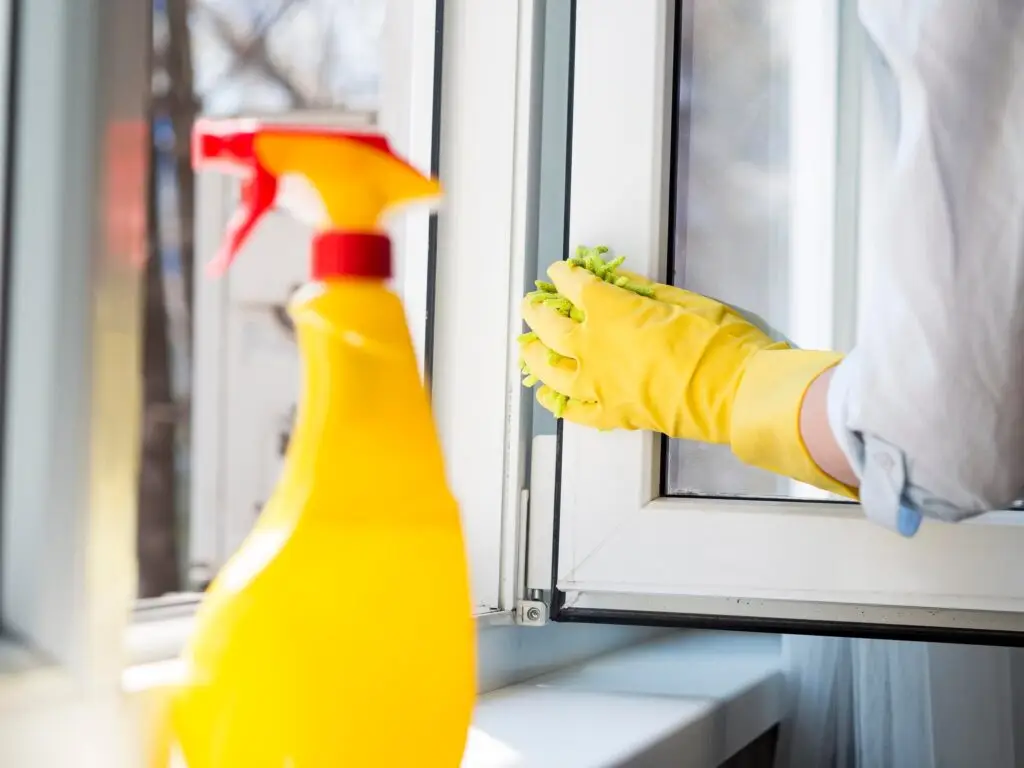
Coastal air feels fresh. However, it can be brutal on glass. Wind carries fine sand, and salt sticks fast. So your windows can look hazy even after a quick wipe.
This guide shares simple, proven steps you can use right away. You will also learn when Window Washing is better handled by a trained crew, especially when height, time, or finish quality matters.
Why coastal Window Cleaning fails fast (and how to fix it)
Near the coast, salt and moisture land on glass every day. Then sun bakes that film into a stubborn layer. As a result, basic sprays can smear instead of clean. That is why Window Washing needs a slightly different plan in salty, windy zones.
Sand is another problem. If you scrub dry glass, you can grind grit across the surface. Over time, that can dull the shine and leave fine scratches. Therefore, you want to rinse first, then clean.
Also, coastal frames and seals take a hit. Salt can sit in tracks, corners, and weep holes. If you ignore those spots, water can pool, odors can grow, and the glass can look dirty again in days. Good Window Washing treats the whole window system, not just the center pane.
Tip 1: Start with salt spray window removal (before you “clean”)
If you chase salt with a dry cloth, you spread it around. Instead, remove the salty layer first. This is the difference between “looks okay” and truly crisp Window Washing.
Use this simple order:
- Rinse the glass with clean water to loosen salt and dust removal needs
- Spray a mild soap mix (a few drops of dish soap in a bucket works)
- Let it dwell for 30–60 seconds, but do not let it dry
- Agitate gently with a microfiber washer or soft sponge
- Rinse again before you squeegee
For stubborn spots, avoid harsh scrapers unless you know the glass is safe for it. Instead, try more dwell time and gentle passes. You can also use a dedicated, glass-safe mineral remover if the haze is from minerals, not just salt.
Finally, clean the edges where salt hides:
- Wipe the frames and sills with a damp microfiber
- Detail the corners with a soft brush or cotton swab
- Flush tracks lightly, then dry them
This step makes Window Washing last longer, because you stop residue from creeping back onto the pane.
Tip 2: Use pro tools that make Window Washing faster and safer
The right tools reduce streaks. They also reduce effort. So you get better results with fewer passes, which matters when salt and wind keep fighting you during Window Washing.
Keep a small, reliable kit:
- A quality squeegee with a sharp rubber blade
- A microfiber washer (or sleeve) for wetting the glass
- Two microfiber towels: one for detailing edges, one for frames
- A bucket and a gentle soap solution
- A soft track brush for grime in channels
A key detail: replace squeegee rubber often. Old rubber causes lines, chatter, and drag. Also, keep your microfiber clean. If it holds sand, it can scratch.
If you work on upper floors, prioritize safety. Use stable ladders, correct angles, and firm footing. In many cases, calling Cleaning services is the safer choice than stretching for “one last corner.”
When you want consistent, high-end results, you will notice most Professional window cleaning crews rely on the same basics: sharp rubber, clean cloth, controlled water, and a repeatable method. Great Window Washing is skill plus routine, not magic.
Tip 3: Lock in a streak-free method for Window Washing
Streaks usually come from three causes. First, too much soap. Second, dirty blades or towels. Third, working in heat so the solution dries mid-pass. Therefore, use a method that stays simple and controlled for Window Washing.
Try this repeatable process:
- Wet the glass evenly, but do not flood the frame
- Scrub lightly in overlapping strokes to lift film
- Pull the squeegee from top to bottom, or use a smooth “S” pattern
- Wipe the blade after each pass with a clean towel
- Detail edges last with a dry microfiber
Also, watch your pressure. Too much force can bend the blade and leave lines. Too little can skip water. Aim for steady, even contact.
For inside glass, reduce moisture. Interior streaks often come from over-spraying and dirty detailing cloths. Instead, dampen your applicator, then finish with a dry microfiber. This improves Window Washing results indoors, where smears show under lights.
If you keep getting haze, check your water. Hard water can leave a faint film after it dries. In that case, rinse with cleaner water, or dry faster. Many Professional window cleaning teams use purified water systems for certain jobs. Even without that gear, better rinsing can upgrade your Window Washing results.
Tip 4: Time your Window Washing around sun, wind, and rain
Weather changes everything. Sun heats glass and dries solution too fast. Wind blows dust back onto wet panes. Meanwhile, light rain can spot glass if salt is already present. So smart timing helps Window Washing look clean for longer.
Use these timing rules:
- Wash early morning or late afternoon to avoid hot glass
- Avoid windy windows when possible, especially on exposed sides
- Do not clean in direct sun if you can move to shaded areas first
- After storms, rinse first to remove salt and grit before you scrub
Also, think in zones. Clean one side of the home at a time, then move to the next. This reduces rework and keeps your Window Washing more consistent.
If you manage multiple properties or tight turnovers, you may need a fixed schedule. In that case, build a repeatable checklist and a “minimum standard” that still looks premium. Consistency is the real win with Window Washing, because guests and owners notice details fast.
Tip 5: Know when Professional window cleaning beats DIY
Some jobs are not worth the risk. Others are not worth the time. And some require a finish level that is hard to hit without practice. That is where Professional window cleaning can be the smarter move, even if you can handle basic Window Washing.
Consider booking help when:
- You have multi-story glass or hard-to-access skylights
- You see persistent haze that returns after each cleaning
- You need fast, reliable results on a deadline
- You want add-ons like screen washing, track detailing, or hard-water spot treatment
Also, pros can catch problems early. They may spot failed seals, damaged screens, or track drainage issues before they become costly. That makes Window Washing part of preventive care, not just cosmetic work.
If you hire Cleaning services, ask clear questions:
- What is included (glass, frames, tracks, screens)?
- Do they use ladders safely and carry insurance?
- Do they guarantee rework if streaks appear after drying?
A good provider will explain their process in plain language. They will also set expectations, because not every stain is removable without restoration. Still, strong Professional window cleaning should deliver a clear, even finish that lasts longer than rushed Window Washing.
Clear Views Ahead
Coastal glass needs extra care, because salt and grit act like a constant filter on your view. However, when you rinse first, use the right tools, follow a clean method, and time the weather, your results improve fast. If you want the safest and most consistent finish on demanding homes or tight schedules, Window Washing is often the best place to bring in experienced help.
