
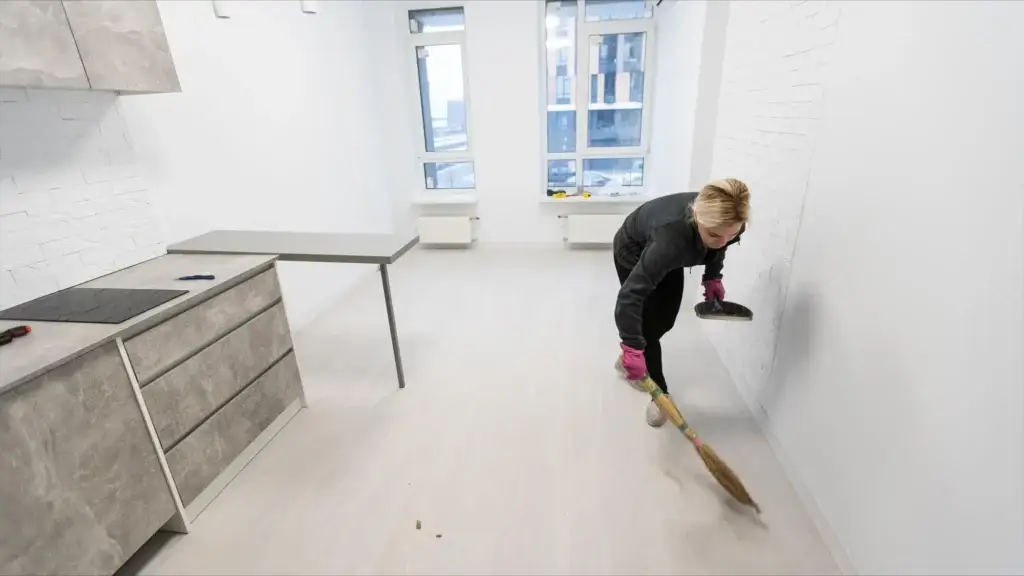
A post-construction cleaning checklist helps homeowners understand what needs attention after renovation, remodeling, or new construction work. Even when a project looks finished, fine dust, debris, paint marks, adhesive residue, grout haze, and packaging materials can remain throughout the home.
This cleaning is different from regular house cleaning. A post-construction cleaning checklist focuses on dust control, surface protection, detailed cleaning, product safety, and the final preparation needed before a space is ready for furniture, guests, family routines, or everyday use.
What should a post-construction cleaning checklist include?
A post-construction cleaning checklist should include debris removal, dust control, surface cleaning, floor care, window and glass cleaning, bathroom detailing, kitchen detailing, vent cleaning, fixture cleaning, and a final walkthrough. It should also separate rough cleaning, final cleaning, and touch-up cleaning.
The most important steps are:
- Confirm that construction work is complete.
- Remove large debris, packaging, and leftover materials.
- Vacuum fine dust with proper filtration.
- Wipe walls, trim, doors, shelves, fixtures, and hardware.
- Clean inside cabinets, drawers, closets, and built-ins.
- Remove paint marks, adhesive residue, and grout haze carefully.
- Clean floors according to material type.
- Detail kitchens, bathrooms, windows, mirrors, and vents.
- Check high touch surfaces, fans, lights, and switches.
- Complete a final walkthrough before move-in, staging, or daily use.
A good post-construction cleaning checklist prevents rushed cleaning and helps protect the new finishes you just invested in.
Why post-construction cleaning needs a different approach
Post-construction cleaning needs a different approach because construction dust is fine, persistent, and easy to spread. Standard cleaning may remove visible dirt, but it often misses dust on walls, vents, shelves, trim, cabinet interiors, light fixtures, and corners.
Renovation dust can travel beyond the work area. It may settle in nearby rooms, closets, hallways, and air vents. If cleaning starts with dry sweeping or the wrong vacuum, dust can move back into the air and settle again.
Post-construction cleaning also requires care with new materials. Freshly installed wood, tile, glass, stone, cabinets, fixtures, and appliances may need specific products or methods. The wrong cleaner can dull a finish, scratch a surface, or leave residue.
That is why a post-construction cleaning checklist should be more detailed than a standard cleaning checklist. It should follow the right order and protect surfaces while removing fine dust.
For homeowners who need help preparing a renovated space for everyday use, residential cleaning services can support the transition from construction site to comfortable home.
Start with site readiness
Before cleaning begins, the space must be ready. If contractors are still sanding, painting, caulking, cutting, or installing materials, the cleaning will not last. New dust and residue will continue to appear.
A post-construction cleaning checklist should start with these readiness steps:
- Confirm that major construction work is complete.
- Confirm that touch-up painting is finished.
- Confirm that grout and caulk have cured as needed.
- Remove tools and loose construction materials.
- Clear large scraps, packaging, and protective materials.
- Make sure utilities are working.
- Make sure the space is safe to enter.
- Identify delicate surfaces and new finishes.
- Confirm which rooms are ready for cleaning.
- Save product or manufacturer instructions when available.
Cleaning too early often creates double work. It can also increase the risk of damaging finishes that are not ready for contact.
Signs the space is not ready for final cleaning
A space may not be ready if workers are still present, surfaces are wet, grout haze is still curing, sawdust is still being produced, or materials are still being cut inside the home.
Another sign is unfinished touch-up work. If painters, installers, or contractors need to return, schedule final cleaning after their work is complete.
Understand the three phases of post-construction cleaning
A complete post-construction cleaning checklist usually follows three phases: rough cleaning, final cleaning, and touch-up cleaning. Not every project needs all three, but most renovations benefit from this structure.
Rough cleaning
Rough cleaning happens near the end of construction. It removes large debris, trash, scraps, and excess materials so the space becomes safer and easier to finish.
Rough cleaning may include:
- Removing packaging
- Clearing large debris
- Removing leftover materials
- Clearing walkways
- Removing protective coverings when appropriate
- Preparing the space for final trades
This phase is not meant to make the home move-in ready. It creates a cleaner work environment before the final clean.
Final cleaning
Final cleaning happens when construction work is complete. This is the most detailed phase and the most important part of the post-construction cleaning checklist.
Final cleaning may include:
- Vacuuming walls, ceilings, trim, and floors
- Cleaning inside cabinets and drawers
- Wiping doors, handles, and hardware
- Cleaning light fixtures and fans
- Removing sticker residue
- Cleaning windows, tracks, and sills
- Detailing bathrooms and kitchens
- Cleaning floors by material type
- Removing paint marks and adhesive residue
- Cleaning vent covers and return covers
- Polishing mirrors and glass
This phase turns the home from a finished project into a livable space.
Touch-up cleaning
Touch-up cleaning happens after furniture, décor, or personal items begin moving in. Movement can create new dust, fingerprints, floor marks, and smudges.
Touch-up cleaning may include:
- Wiping fingerprints from doors and fixtures
- Vacuuming floors again
- Removing dust from surfaces
- Cleaning mirrors and glass
- Refreshing bathrooms
- Cleaning entryways and walkways
- Spot cleaning floors
Touch-up cleaning is useful because even a well-cleaned space can collect dust again during move-in.
Focus on dust before surface shine
Dust control should come before polishing and final detailing. If dust is not removed first, it will settle again on clean surfaces.
A good post-construction cleaning checklist should address dust in this order:
- High areas
- Walls and vertical surfaces
- Shelves and cabinets
- Fixtures and trim
- Counters and horizontal surfaces
- Floors last
This top to bottom order helps prevent rework. Cleaning floors first is a common mistake because dust from higher surfaces will fall back down.
Use the right vacuum and cloths for fine dust. Dry sweeping can push particles into the air. Damp wiping may help on some surfaces, but it must be done carefully to avoid streaking or damaging materials.
The EPA recommends good practices during remodeling to reduce indoor air problems, including dust containment, ventilation, and reducing pollutants during renovation work. You can review the EPA guidance on best practices for indoor air quality when remodeling your home.
Clean room by room with the right priorities
A post-construction cleaning checklist works best when it is organized by room. Each area has different risks and residue.
Kitchens often collect dust inside cabinets, drawers, appliance spaces, and corners. Bathrooms may have grout haze, caulk residue, fingerprints, and dust on fixtures or glass. Bedrooms and living areas may look clean at first, but fine dust often remains on trim, shelves, closets, and floors.
Kitchen post-construction cleaning checklist
Check these areas:
- Countertops
- Cabinet fronts
- Cabinet interiors
- Drawer interiors
- Handles and pulls
- Sink and faucet
- Backsplash
- Appliance exteriors
- Appliance edges
- Shelves
- Light fixtures
- Floor edges
- Baseboards
- Trash and packaging areas
Be careful with stone, wood, stainless steel, and specialty finishes. The right product depends on the surface.
Bathroom post-construction cleaning checklist
Check these areas:
- Shower walls
- Tub
- Toilet
- Sink
- Faucet
- Vanity
- Mirror
- Glass doors
- Tile floors
- Grout lines
- Towel bars
- Cabinet interiors
- Vent cover
- Light fixtures
- Door handles
Grout haze and caulk residue should be handled carefully. Harsh scraping can damage tile, glass, or fixture finishes.
Bedroom and living area checklist
Check these areas:
- Walls
- Baseboards
- Window sills
- Window tracks
- Closet shelves
- Door frames
- Light switches
- Outlet covers
- Ceiling fans
- Built-ins
- Floors
- Vents
- Trim and molding
Pay attention to closets. Dust often settles inside them even when the doors were closed during construction.
Protect new floors and finishes
New floors are one of the biggest investments in a renovation. They also face high risk during post-construction cleaning because dust, grit, adhesive, paint marks, and tools can scratch or dull the surface.
A post-construction cleaning checklist should include floor-specific care for:
- Hardwood
- Engineered wood
- Tile
- Stone
- Vinyl
- Laminate
- Carpet
- Rugs
Each surface needs the right method. Too much water can damage wood or laminate. Harsh chemicals can affect stone or specialty finishes. Abrasive pads can scratch polished surfaces.
If manufacturer instructions are available, follow them. When in doubt, test a small hidden area before applying any product more widely.
Common floor cleaning mistakes
Common mistakes include using too much water, using abrasive tools, dragging debris across the floor, applying the wrong cleaner, and cleaning before dust has been removed from higher surfaces.
Another mistake is removing protective coverings too late or too roughly. Tape, adhesive, and film can leave residue that needs careful removal.
Do not overlook vents, fans, and high touch areas
Vents, fans, and high touch surfaces are easy to miss. They also collect a lot of construction dust.
Include these items in the checklist:
- HVAC vent covers
- Return covers
- Bathroom fans
- Ceiling fans
- Light fixtures
- Door handles
- Cabinet pulls
- Switch plates
- Railings
- Stair edges
- Window locks
- Thermostats
Standard post-construction cleaning may include vacuuming vent covers and surrounding areas. Full duct cleaning is usually a separate specialized service and may require an HVAC professional.
If dust continues to blow from vents after cleaning, that can be a sign that the HVAC system needs additional attention.
Common post-construction cleaning mistakes
Many post-construction cleaning problems happen because the process is rushed or treated like regular cleaning.
Avoid these mistakes:
- Cleaning before construction is complete
- Sweeping fine dust without proper filtration
- Cleaning floors before higher surfaces
- Using the same cloth throughout the home
- Using harsh products on new finishes
- Scraping glass or tile without care
- Ignoring cabinet interiors
- Forgetting vents and fans
- Skipping the final walkthrough
- Assuming regular cleaning is enough
A post-construction cleaning checklist helps prevent these mistakes by putting the work in the right order.
How long post-construction cleaning can take
Post-construction cleaning time depends on the size of the space, the amount of dust, the level of detail, the number of rooms, the materials used, and whether the project was contained well during renovation.
A small room refresh may take a few hours. A kitchen or bathroom renovation may require a longer detailed visit. A full home renovation can take more than one day, especially if dust has spread throughout the property.
A realistic estimate should consider:
- Square footage
- Number of rooms
- Amount of dust
- Type of flooring
- Number of windows
- Cabinet and drawer interiors
- Bathroom and kitchen details
- Whether touch-up cleaning is needed
This is also why very low estimates can be risky. If the work is detailed, the time and scope should reflect that.
When to call a professional cleaning team
Some homeowners can handle small post-project cleanup on their own. Larger renovations often need professional support because the dust is widespread and the risk of damaging new finishes is higher.
Professional help may be the better choice when:
- The renovation affected several rooms.
- Dust spread through the home.
- New floors or finishes need careful handling.
- Cabinets and drawers need detailed cleaning.
- Windows, tracks, and fixtures have residue.
- You need the space ready quickly.
- You are preparing for move-in, staging, or guests.
- You do not have the right equipment.
- The first DIY attempt only moved dust around.
For spaces that need a complete reset after remodeling, ask about post-construction cleaning through residential services and explain the size, condition, and timeline of the project.
If the renovation also created storage challenges, professional organizing services can help set up closets, kitchens, pantries, and new storage areas after cleaning.
FAQ
What is included in a post-construction cleaning checklist?
A post-construction cleaning checklist usually includes debris removal, dust control, vacuuming, wiping surfaces, cleaning cabinets, detailing bathrooms and kitchens, cleaning windows, removing residue, floor care, vent cleaning, and a final walkthrough.
When should post-construction cleaning start?
Post-construction cleaning should start after major construction work, sanding, painting, caulking, and installation are complete. If trades still need to return, final cleaning may need to wait.
What are signs that post-construction cleaning was not done well?
Signs include dust returning quickly, gritty floors, dusty cabinets, streaky windows, residue on fixtures, dirty vents, paint spots, adhesive marks, and dust inside closets or drawers.
Can regular house cleaning remove construction dust?
Regular house cleaning may remove visible dirt, but it may not fully address fine construction dust, residue, grout haze, cabinet interiors, vents, and detailed surfaces. Post-construction cleaning requires a more detailed process.
How often should touch-up cleaning happen after construction?
Touch-up cleaning usually happens once after furniture, décor, and personal items are moved in. Some projects may need another light cleaning if dust continues to settle.
What are common mistakes after renovation cleaning?
Common mistakes include cleaning too early, sweeping fine dust, using harsh products, cleaning floors first, ignoring vents, skipping cabinets, and not protecting new finishes.
Does post-construction cleaning include duct cleaning?
Standard post-construction cleaning may include vacuuming vent covers and nearby areas. Full duct cleaning is a separate specialized service and is usually handled by an HVAC professional.
Should I book recurring cleaning after post-construction cleaning?
Recurring cleaning can help maintain the renovated space after the initial cleanup. It is especially useful for protecting floors, bathrooms, kitchens, and high traffic areas after the renovation is complete.
Make the renovated space ready for real life
A post-construction cleaning checklist helps turn a finished project into a space that feels ready to use. Renovation dust, debris, residue, and fingerprints can hide in places that regular cleaning often misses.
Start with site readiness. Then work through dust control, room by room cleaning, floor protection, product safety, and a final walkthrough. This process helps protect new finishes and makes the space more comfortable for daily life.
Ready to enjoy the finished result without the leftover dust? Request a post-construction cleaning estimate and prepare your renovated home for move-in, staging, guests, or everyday routines.
