
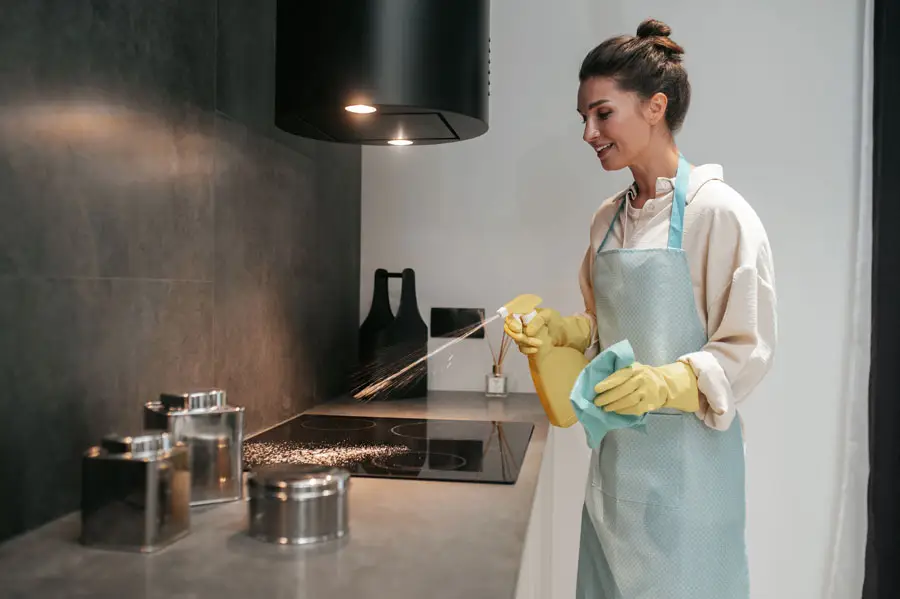
The kitchen is often described as the heart of the home, but in a luxury property, it is more akin to a culinary theater where life’s most vibrant moments unfold. However, even the most stunning high-end kitchens, equipped with professional-grade appliances and natural stone surfaces, are susceptible to the gradual accumulation of grease, dust, and hidden grime that daily maintenance simply cannot reach. For homeowners who value property stewardship, understanding the intricacies of a heavy-duty reset is vital for preserving the longevity and aesthetic of the space.
A true culinary reset goes beyond wiping down counters; it requires a systematic approach that mirrors the standards of a professional deep cleaning service. By addressing the hidden layers of the kitchen, you not only ensure a pristine environment for cooking but also protect the significant investment made in cabinetry, flooring, and appliances. This guide explores the meticulous steps required to restore your kitchen to a state of absolute perfection.
The Distinction Between Regular and Deep Cleaning
To truly master the culinary reset, one must first understand the fundamental difference between standard upkeep and a comprehensive deep cleaning service. Regular cleaning is the maintenance that happens weekly or bi-weekly—wiping surfaces, sweeping floors, and managing immediate messes. While essential, this level of attention often skims the surface, leaving behind microscopic layers of oil and organic matter that eventually harden into grime.
A deep cleaning service philosophy involves moving items, disassembling removable parts, and treating surfaces with specialized solutions designed to break down long-standing buildup. In a luxury kitchen context, this means pulling appliances away from the wall to clean underneath, scrubbing grout lines until they return to their original color, and detailing the interior of cabinetry. Implementing this level of care ensures that the kitchen remains not just visually appealing, but hygienically sound.
Tip 1: Revitalizing Professional-Grade Appliances
High-end ranges and ovens, such as those from Wolf or Viking, are the workhorses of a luxury kitchen and require specific attention during a heavy-duty clean. Over time, carbonized food particles and grease vapor settle into the intricate components of these machines, affecting both performance and flavor. A standard kitchen clean often overlooks the interior of the oven door or the heavy grates that bear the brunt of daily cooking.
To replicate the results of a professional deep cleaning service, you must remove all racks and soak them in a heavy-duty degreasing solution. While the racks soak, apply a non-caustic cleaner to the oven interior, ensuring that the heating elements are protected. Furthermore, the knobs and dials should be removed if possible to clean the shafts underneath, as this is a common hiding spot for sticky residue that attracts dust.
Tip 2: The Art of Ventilation Maintenance
The range hood is perhaps the most critical, yet most neglected, component when it comes to kitchen cleaning. Its primary function is to filter out smoke, grease, and odors, but without regular deep cleaning, the filters become clogged, rendering the system inefficient and creating a potential fire hazard. In coastal environments like Nantucket, where humidity can mix with grease, this buildup can become particularly stubborn.
A thorough deep cleaning service protocol involves removing the baffle or mesh filters and treating them with a high-strength degreaser or running them through a high-temperature dishwasher cycle if the manufacturer permits. Beyond the filters, the interior housing of the hood needs to be scraped and wiped free of the sticky, glue-like residue that accumulates over months of cooking. Polishing the exterior stainless steel to remove fingerprints and salt spray residue is the final touch that signals a completed reset.
Tip 3: Preserving Natural Stone and Countertops
Luxury kitchens often feature porous materials like marble, granite, or quartzite, which demand a delicate balance of effective cleaning and protective care. Many generic deep clean companies make the mistake of using acidic cleaners on natural stone, leading to etching or dullness that ruins the finish. A proper culinary reset acknowledges that these surfaces are investments requiring pH-neutral cleaners that lift dirt without stripping the sealant.
During a heavy-duty clean, clear the countertops completely—removing all appliances, decor, and organizers. Inspect the stone for any signs of staining or compromised sealant. If water no longer beads on the surface, it is time to reseal the stone after the cleaning process is complete. This step is crucial for preventing wine, oil, or citrus from causing permanent damage to the stone’s aesthetic.
Tip 4: Detailed Cabinetry and Hardware Care
Cabinetry in a high-end home is often custom-milled and finished with specialized paints or stains that require gentle handling. Grease from cooking inevitably becomes airborne and settles on cabinet fronts, particularly those near the stove and near the ceiling. A deep cleaning service approach involves washing the face of every cabinet with a mild, wood-safe detergent to cut through this invisible film.
Don’t forget the interiors; crumbs and dust accumulate in the corners of drawers and on the back of shelves. Emptying the cabinets allows for a thorough wipe-down of the shelves and the lubrication of hinges and drawer slides. Additionally, polishing the hardware—whether it is unlacquered brass, chrome, or nickel—removes tarnish and restores the jewelry-like sparkle to the kitchen.
Tip 5: The Hidden Hygiene of Refrigeration
The refrigerator is the central hub of food storage, yet it is often a harbor for expired condiments and hidden spills. A comprehensive deep cleaning service goes beyond tossing out old food; it involves removing every shelf and drawer to wash them in hot, soapy water. This eliminates bacteria and mold spores that thrive in the cool, damp environment of the fridge.
Crucially, the mechanical health of the refrigerator must be addressed. Dusty condenser coils force the compressor to work harder, shortening the lifespan of the appliance and increasing energy consumption. Vacuuming these coils, usually located at the bottom or back of the unit, is a staple of residential cleaning maintenance that protects your appliance investment. Check the door gaskets for crumbs and tears to ensure a tight seal is maintained.
Tip 6: Sanitizing Sinks and Waste Disposal
The kitchen sink sees more bacterial activity than almost any other part of the home. Whether it is a farmhouse fireclay sink or a hammered copper basin, it requires deep sanitization to remove biofilms that develop around the drain and faucet base. A deep cleaning service will often use steam or enzymatic cleaners to penetrate the drain and garbage disposal, eliminating odors at the source.
For the faucet, pay close attention to the aerator, which can become clogged with mineral deposits and sediment. Unscrewing the aerator and soaking it in vinegar dissolves these deposits, restoring full water pressure. Finally, polishing the sink basin ensures that it repels water spots and maintains its luster, contributing to the overall sense of cleanliness in the room.
Why Professional Standards Matter
Attempting a full culinary reset on your own is a commendable weekend project, but it is physically demanding and time-consuming. This is why many homeowners turn to a professional deep cleaning service to handle the heavy lifting. Professionals bring industrial-grade tools, such as steam cleaners and HEPA vacuums, which are far more effective than standard household equipment.
Furthermore, a professional team understands the nuances of luxury materials. They know exactly which products are safe for your specific finishes, mitigating the risk of accidental damage. For those who view their time as their most valuable asset, outsourcing this labor allows for the enjoyment of a pristine kitchen without the exhaustion of achieving it.
The Role of Regular Maintenance
While a deep cleaning service provides a necessary reset, its effects are prolonged by consistent regular cleaning. Establishing a routine where spills are addressed immediately and surfaces are wiped down nightly prevents the rapid accumulation of grime. Think of deep cleaning as the foundation, and regular cleaning as the daily maintenance that protects that foundation.
Integrating small habits, such as wiping down the range hood after frying or drying the sink after use, can significantly extend the time between deep cleans. However, even with the most diligent daily habits, a biannual or quarterly deep clean is recommended to address the areas that daily chores simply cannot reach. This cycle of deep restoration and daily maintenance is the key to a kitchen that looks and feels brand new for years.
Selecting the Right Service Provider
When the time comes to hire a professional, not all deep clean companies are created equal. It is essential to look for a service that specializes in luxury properties and understands the specific needs of high-end appliances and finishes. Vetting a company involves asking about their training processes, the specific products they use, and their insurance coverage.
A reputable deep cleaning service will be transparent about their checklist and willing to customize their approach to your home’s unique requirements. They should treat your property with the utmost respect, offering a level of discretion and security that gives you peace of mind.
