
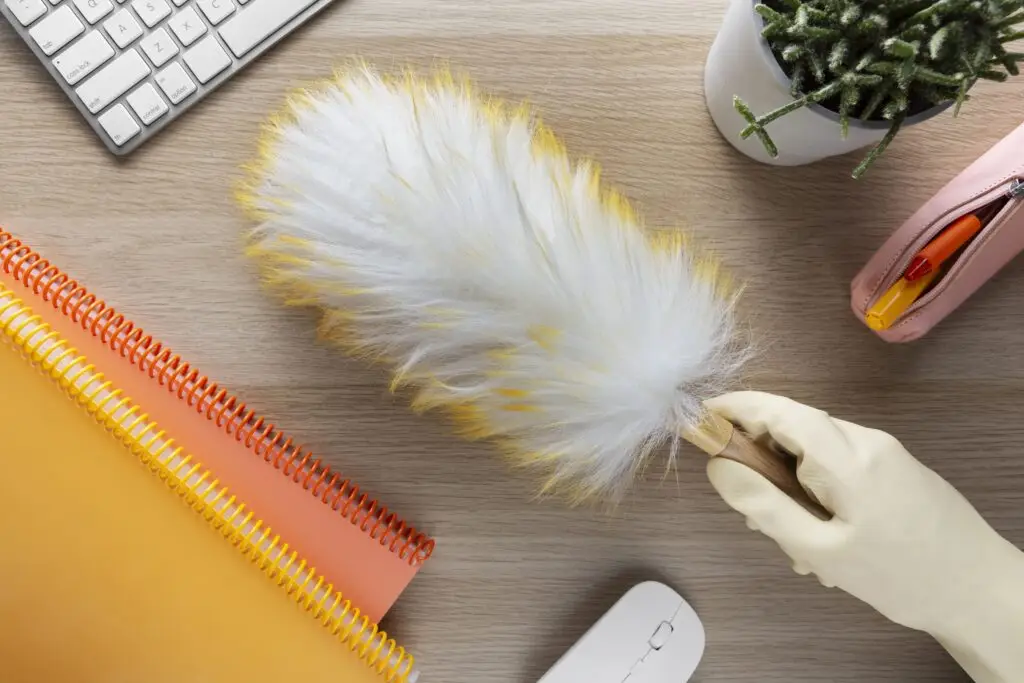
One of the most frequent debates in home maintenance is the choice of your primary dusting tool. Do you reach for the convenient, toss-it-and-forget-it disposable duster, or do you commit to the sustainable, washable duster? Both have their place in a modern cleaning arsenal, and understanding their strengths will help you spend less time dusting and more time enjoying a clean home.
Quick Answer
- Choose Disposable Dusters if your priority is convenience and speed. They are excellent for those with severe allergies who want to trap dust and immediately discard it, and for cleaning tight, intricate spaces (like ceiling fans or radiator fins) where shaking off a washable duster would just make a new mess.
- Choose Washable Dusters if your priority is long-term cost and sustainability. They are the better choice for routine, large-scale maintenance where you want a high-performance tool that can be laundered and reused dozens of times, keeping waste out of the landfill.
Option 1: Disposable Dusters
Disposable dusters typically rely on electrostatic fibers to “grab” dust rather than just pushing it around.
- The Strengths: Unmatched convenience. They are lightweight, reach tight corners effortlessly, and eliminate the need to wash a dirty cloth. Because you discard the pad, you ensure you aren’t dragging dust from one room to the next.
- Best Used For: Quick mid-week touch-ups, dusting ceiling fan blades, intricate shelving, blinds, and areas where dust is heavy and you’d rather not breathe it in during a wash cycle.
- The Limits: They represent a recurring cost and create a steady stream of household waste. They also have a limited “surface area”—once the fibers are full, they stop grabbing dust effectively.
Option 2: Washable Dusters
Washable dusters—typically microfiber mitts or lambswool wands—are designed to be a permanent fixture in your cleaning closet.
- The Strengths: High performance and durability. Microfiber, in particular, is designed to capture tiny particulates and oils. They are significantly more cost-effective over time and allow you to tackle large surfaces like walls or baseboards without running out of pads.
- Best Used For: Routine maintenance, weekly floor-to-ceiling dusting, baseboards, and walls.
- The Limits: They require maintenance. If you don’t wash and dry them properly, they can become ineffective or even redistribute dust. You also need to manage storage for dirty rags until laundry day.
When to Use Each One
| Task | Recommended Option | Why? |
| Quick Touch-Ups | Disposable | Grab-and-go speed; zero cleanup required. |
| Weekly Whole-Home Dusting | Washable | Covers large areas efficiently; better value. |
| Ceiling Fans/Vents | Disposable | Dust stays trapped; avoids making a mess. |
| Baseboards & Trim | Washable | More surface area to tackle long runs. |
| Allergy-Sensitive Homes | Disposable | Direct disposal removes allergens from the home. |
Safety Note: Always use the right duster for the finish. Avoid using stiff, worn-out washable dusters on delicate high-gloss finishes as they can trap grit and cause micro-scratches. Always follow the manufacturer’s instructions for laundering microfiber to maintain its electrostatic “grab” power.
Common Mistakes to Avoid
- The “One-Size-Fits-All” Trap: Don’t use a heavy-duty washable duster on delicate electronics, and don’t use a disposable pad that’s already full of dust—you’ll just leave streaks.
- Ignoring Tool Care: The most common mistake with washable dusters is “over-laundering” with fabric softeners. Fabric softener ruins microfiber’s ability to grab dust. Wash with regular detergent only, and skip the dryer sheets.
- The “Pushing” Method: Never move your duster in a circular motion. Always use a sweeping motion to pull dust off the surface and into the fibers.
When Professional Cleaning Helps
Professional cleaning is about using the right tool for the specific job. At Quality Cleaning Services, we utilize professional-grade microfiber systems that are more efficient and hygienic than standard store-bought tools. We know exactly which areas benefit from a high-reach dusting wand and which surfaces need a soft, precision microfiber touch.
By letting us handle your recurring maintenance, you don’t have to worry about managing a supply of disposable pads or washing dusty rags. You simply come home to a house that is professionally dusted, fresh, and allergen-reduced.
Ready to elevate your home’s air quality and cleanliness?
Click here to get your custom quote from Quality Cleaning Services and let us handle your recurring dusting and maintenance!
FAQ
Are washable dusters better than disposable dusters?
Neither is universally better; it depends on your cleaning style. Washable dusters are better for the environment and your wallet, while disposable dusters offer superior convenience and are better at capturing dust in tricky, hard-to-clean spots where you don’t want to risk “dust fallout.”
Do disposable dusters spread dust?
High-quality disposable dusters are designed with electrostatic fibers that lock dust particles into the pad. However, they only stay effective until the fibers are full. If you continue to use a saturated disposable pad, it will stop capturing dust and start smearing it around, so replace them as soon as they appear gray.
How often should washable dusters be cleaned?
You should wash them as soon as they become visibly dusty or lose their ability to “grab” particles. As a rule of thumb, rotate your microfiber mitts or cloths every two to three rooms during a deep clean, and toss them in the laundry immediately after. Never put a dusty microfiber cloth back into your cleaning bucket to use again!
