
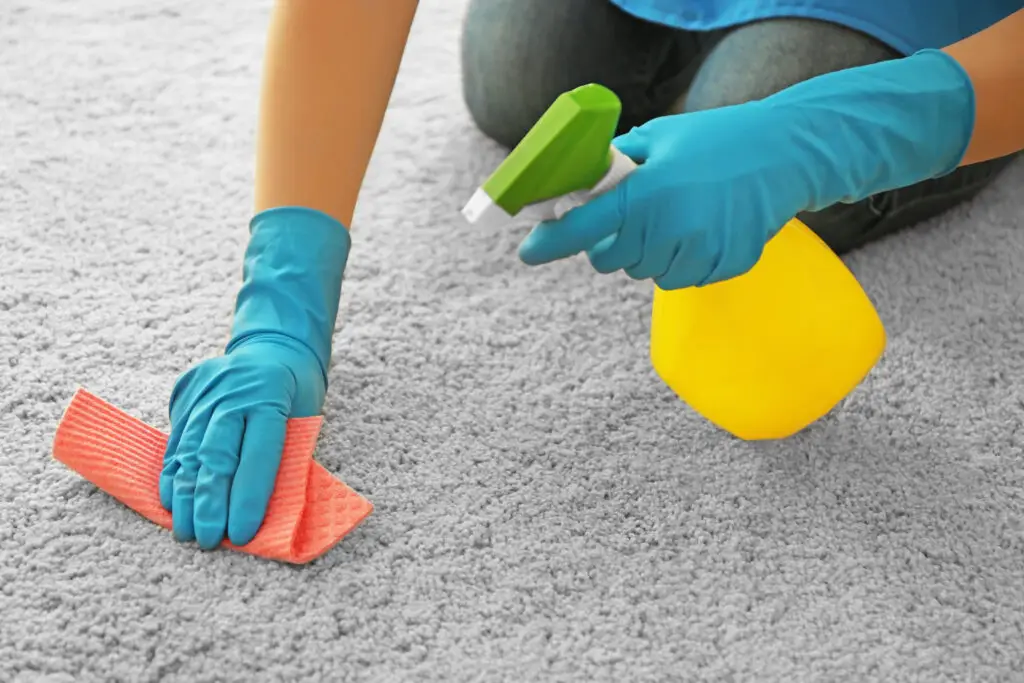
Cleaning a carpet in winter is not the problem. Drying it is. Cold temperatures, sealed windows, and high indoor humidity all slow down evaporation, and a carpet that stays wet too long becomes a problem of a different kind.
The good news is that drying carpet after cleaning in winter is manageable with the right approach. You do not need expensive equipment. You need to understand what slows the process down and act on the steps that speed it up.
Quick answer
How do you dry carpet after cleaning in winter?
- Extract as much water as possible during or immediately after cleaning.
- Run fans or air movers directly across the carpet surface.
- Use a dehumidifier to remove moisture from the room air.
- Keep room temperature at or above 68°F to aid evaporation.
- Open windows briefly if outdoor air is dry and above freezing.
- Avoid walking on the carpet until it is fully dry.
- Check that the carpet is dry all the way through before replacing furniture.
With proper airflow and heating, most carpets dry within 6 to 12 hours in winter.
Why carpet takes longer to dry in winter
Winter conditions create a combination of factors that all work against fast drying. Understanding each one helps you counter them directly.
Cold air holds less moisture. Warm air can absorb more water vapor than cold air. When temperatures drop, the air’s capacity to pull moisture out of carpet fibers decreases significantly. The evaporation process slows down whether or not you are doing anything else wrong.
Homes are sealed up. In winter, windows and doors stay closed to conserve heat. This means the humid air evaporating from a freshly cleaned carpet has nowhere to go. It stays in the room, the relative humidity climbs, and the carpet dries more slowly as a result.
Heating systems add complexity. Forced-air heating moves air but does not necessarily reduce humidity. Some heating methods, especially gas heaters and certain radiator systems, can actually add moisture to indoor air. A heated room is not automatically a room that dries carpet faster.
Indoor activities raise humidity. Cooking, showering, and even breathing contribute moisture to indoor air. In a sealed winter home, this accumulates. A carpet trying to dry into air that is already humid faces significant resistance.
Professional cleaners working through winter on Nantucket and Cape Cod see this consistently: a carpet that would dry in three to four hours in summer can take more than twelve in January with no active drying strategy in place. The tools and steps below address each of these factors directly.
How to dry carpet after cleaning in winter: step by step
Step 1: Maximize water extraction during cleaning
Drying starts before the carpet ever begins to air out. The less moisture left in the fibers after cleaning, the less there is to evaporate.
If you are using a carpet shampooer or extractor, make multiple dry passes after the cleaning pass. Each additional extraction pass removes more water from the fibers. Professional cleaning equipment makes multiple extraction passes standard. For DIY cleaning, this step is commonly skipped and it makes a measurable difference.
Avoid over-wetting the carpet during cleaning. Use the minimum amount of water needed to clean effectively. This applies to both machine cleaning and hand-treatment of stains.
Step 2: Run fans immediately after cleaning
Air movement is the most effective single tool for drying carpet after cleaning in winter. Fans work by moving the humid air sitting directly above the carpet surface away from the fibers, replacing it with drier air that can absorb more moisture.
Position fans to blow directly across the surface of the carpet, not above it. Air directed at the carpet fibers themselves accelerates evaporation far more effectively than general room circulation.
Use multiple fans if the carpet area is large. Aim for overlapping coverage so no section of the carpet is in stagnant air. A high-velocity box fan or an air mover (available at most hardware rental stores) is significantly more effective than a standard oscillating household fan.
Direct the output of the fans toward an open interior door or hallway. This moves the moisture-laden air out of the room and prevents it from settling back onto the carpet.
Step 3: Run a dehumidifier in the room
A fan moves air. A dehumidifier removes moisture from it. The two work best together.
A dehumidifier actively pulls water vapor out of the room air, reducing relative humidity and creating more capacity for the air to absorb moisture from the carpet. In a sealed winter room, this is the most efficient way to prevent the air from becoming saturated and stalling the drying process.
Position the dehumidifier in the same room as the damp carpet. Empty the reservoir regularly or use one with a continuous drain option. A unit that shuts off because the reservoir is full stops working at the moment it is needed most.
Step 4: Maintain room temperature at or above 68°F
Warmth accelerates evaporation. Keep the room at a minimum of 68°F (20°C) throughout the drying period. Higher temperatures, up to 72 to 75°F, are even better for drying speed.
Use your central heating system, not a portable space heater aimed directly at the carpet. Portable heaters pointed at carpet fibers can damage the latex backing, causing it to shrink or separate from the carpet face. Heat the room, not the carpet directly.
If your home uses zone heating, prioritize the room with the wet carpet. A colder room will always dry slower regardless of what else you do.
Step 5: Open windows strategically
This step is counter-intuitive in winter but effective when conditions are right.
Open one or two windows slightly if the outdoor temperature is above freezing and the outdoor humidity is lower than the indoor humidity. Cold winter air is often quite dry. Bringing that dry air into the room and letting the humid interior air escape accelerates drying.
This only helps if outdoor conditions are favorable. If it is raining, snowing, or if outdoor humidity is high, keep windows closed and rely entirely on fans and the dehumidifier.
Fifteen to thirty minutes of cross-ventilation during a dry, clear winter day can remove more moisture from the room than hours of indoor air circulation alone.
Step 6: Keep foot traffic off the carpet
Walking on a damp carpet causes two problems.
First, it pushes dirt and oils from shoes and bare feet into wet fibers that are in an open, absorbent state. This re-soils the carpet before it has had a chance to finish drying.
Second, foot traffic flattens and compresses wet fibers. Compressed fibers trap moisture underneath, creating localized areas that take much longer to dry than the surrounding carpet. These areas are where mold risk is highest and where visible marks or discoloration are most likely to appear after drying.
Keep the area fully off-limits until the carpet is dry to the touch all the way through. If access is unavoidable, lay down clean towels or plastic sheeting as a path.
Step 7: Check dryness before returning furniture
Do not assume the carpet is dry because the surface feels dry. The backing and padding underneath can remain damp long after the surface dries, particularly in winter conditions.
Press a dry white cloth firmly against the carpet in several areas, including the center and near the baseboards. If it picks up moisture, the carpet is not ready. Also check by pressing your hand flat against the surface. Dry carpet feels warm or neutral. Damp carpet feels noticeably cool.
Furniture placed on a damp carpet can leave permanent marks and create localized damp spots that develop mold underneath.
Preventing mold after wet carpet cleaning in winter
Mold is the primary risk when carpet stays wet too long. According to the EPA’s guide on mold, moisture, and the home, water-damaged areas and materials should be dried within 24 to 48 hours to prevent mold growth. For carpet cleaned in winter, that window defines the goal: everything dry before 24 hours pass.
Mold requires three things to grow: moisture, a food source (carpet fibers and backing qualify), and the right temperature. You can control moisture and temperature.
Keep indoor humidity below 60 percent during and after drying. Use the dehumidifier to monitor and maintain this. Many dehumidifiers have a built-in humidity display. If yours does not, a basic hygrometer from a hardware store gives you an accurate reading.
Signs that mold may be developing under a carpet that dried too slowly:
- A musty or earthy smell that appears a few days after cleaning
- Increased allergy symptoms in household members
- Dark spots appearing at the base of the carpet fibers or on the backing
- A damp feeling that persists in the carpet despite surface drying
If any of these appear, the carpet may need professional assessment. A residential cleaning service with carpet experience can evaluate whether treatment or replacement is warranted.
Common mistakes when drying carpet after cleaning in winter
These are the errors that most frequently extend drying time or cause damage:
- No active airflow: Leaving the room closed with no fans or dehumidifier is the single biggest mistake. Passive drying in a sealed winter room can take 24 to 48 hours or more.
- Using a portable space heater aimed at the carpet: This can shrink or delaminate the latex carpet backing. Heat the room, not the carpet directly.
- Walking on the carpet before it is dry: Re-soils fibers and compresses them, trapping moisture underneath.
- Replacing furniture too early: Creates pressure marks and traps moisture under heavy legs.
- Relying only on room heating: Heating raises temperature but does not remove moisture from the air. You also need airflow and ideally a dehumidifier.
- Not extracting enough water during cleaning: The amount of water left in the fibers after cleaning directly determines how long drying takes. Multiple extraction passes during cleaning make a significant difference.
- Assuming surface dryness means complete dryness: The backing and padding dry much more slowly than the surface. Always check below the surface before resuming normal use.
How long does carpet take to dry in winter?
Drying time depends on several variables:
| Condition | Estimated drying time |
|---|---|
| Active airflow (fans), dehumidifier, heat at 68°F+ | 6 to 12 hours |
| Fans and heat only, no dehumidifier | 10 to 16 hours |
| Heat only, no fans or dehumidifier | 18 to 24+ hours |
| No active drying measures | 24 to 48 hours or more |
These are estimates for a standard residential carpet cleaned with extraction equipment. Thick pile carpets, carpets over concrete subfloors, and carpets in rooms with minimal air circulation all tend toward the longer end of each range.
If a carpet has not dried within 24 hours despite active drying measures, the padding may need to be lifted and dried separately. This is worth considering before mold becomes an issue.
Frequently asked questions
Can you clean carpet in winter? Yes. Carpet can be cleaned year-round. Winter cleaning simply requires more attention to the drying process. Schedule the cleaning in the morning to give the carpet the full day to dry, and use fans and a dehumidifier to compensate for the slower natural evaporation.
How long should I wait before walking on a cleaned carpet in winter? Wait until the carpet is completely dry, not just dry to the touch on the surface. This typically means a minimum of 8 to 12 hours with active drying measures in place. Press a dry cloth firmly to the carpet before resuming normal use. If it picks up any moisture, wait longer.
Will turning up the heat help dry carpet faster in winter? Partially. Higher room temperature increases the air’s capacity to absorb moisture and speeds evaporation. But heating alone without airflow creates a humid room that fills with the moisture evaporating from the carpet. Combine heat with fans and a dehumidifier for the fastest results.
Can I use a hair dryer or space heater on the carpet? No. Directing concentrated heat from a hair dryer or portable heater at carpet fibers can damage or shrink the latex backing that holds the fibers in place. Use your central heating system to warm the room and let fans and a dehumidifier do the drying work.
What happens if carpet stays wet too long? Mold and mildew can develop in the fibers and backing, producing a persistent musty odor and potentially triggering respiratory issues. The EPA recommends drying water-damaged materials within 24 to 48 hours to prevent mold growth. Carpet that stays wet beyond that window may require professional treatment or replacement.
Should I open windows in winter to dry carpet faster? Only if outdoor air is dry and above freezing. Cold, dry winter air can accelerate drying significantly when briefly introduced into a humid room. If outdoor conditions are wet, foggy, or below freezing, keep windows closed and use fans and a dehumidifier instead.
How do I know if mold is growing under my carpet? Watch for a musty smell that appears a day or two after cleaning, persistent damp feeling in the carpet, increased allergy symptoms, or visible dark spots at the base of the fibers. If you notice any of these, have the carpet assessed by a professional before the problem spreads.
Keep your carpet clean and dry all winter
Knowing how to dry carpet after cleaning in winter comes down to three things: remove as much water as possible during cleaning, create active airflow immediately after, and use a dehumidifier to keep the room air from becoming saturated.
These steps replace the natural drying conditions that summer provides and that winter takes away. With the right approach, a winter carpet cleaning does not have to mean days of waiting or worrying about what might be growing underneath.
If you want professional carpet care that handles both the cleaning and the drying correctly, our residential cleaning service serves homes on Nantucket, Cape Cod, and Martha’s Vineyard year-round.
