
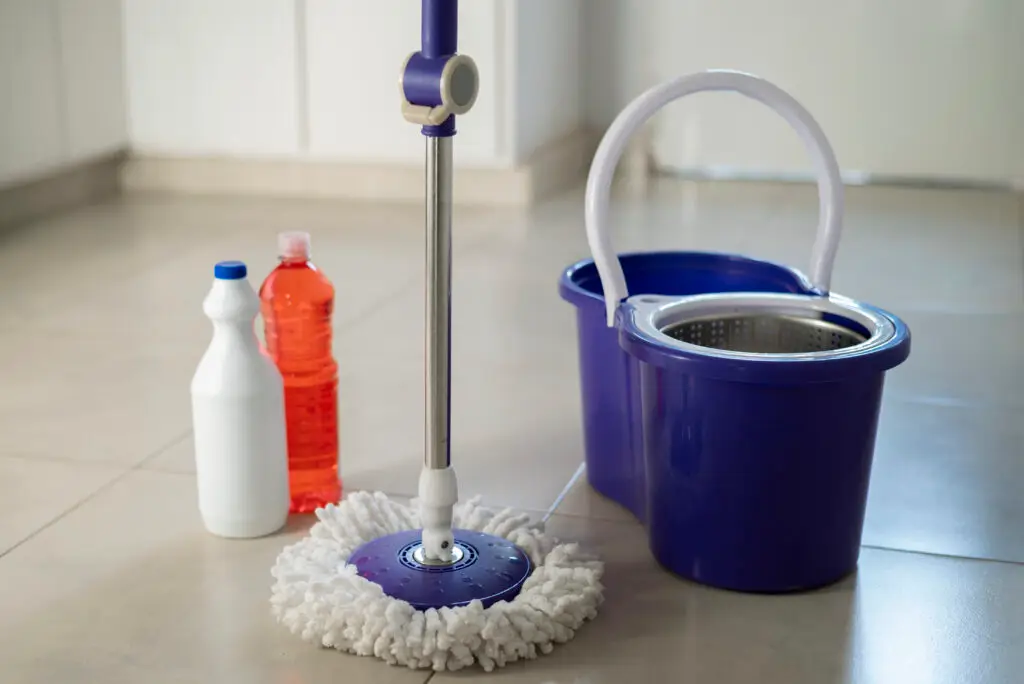
A garage floor takes more abuse than almost any other surface in the home. Oil drips, tire marks, paint splatters, and everyday grime accumulate over time into a layer that standard household cleaners cannot touch. Knowing how to degrease garage floor surfaces correctly makes the process faster, safer, and far more effective.
This guide covers the best products for each type of stain, a step-by-step cleaning process, and long-term strategies to keep the floor clean without repeating the deep clean every few months. By the end, you will know exactly how to degrease a garage floor regardless of how long the grime has been building up.
Why standard cleaners fail on garage floors
Concrete is porous. Oil, grease, and automotive fluids penetrate below the surface rather than sitting on top of it, which is why a simple mop and bucket rarely produce visible results. Standard household cleaners are formulated for sealed, non-porous surfaces like tile and countertops. When applied to concrete, they often spread the stain or leave a slick residue that makes the floor hazardous.
To degrease a garage floor effectively, you need products with strong surfactants or degreasing agents specifically designed to penetrate porous concrete, lift hydrocarbon-based stains, and allow them to be rinsed away completely. Understanding this is the first step toward getting a result that actually lasts.
Best products to degrease garage floor surfaces
Choosing the right product depends on the type and age of the stain. Here are the most effective categories.
Heavy-duty degreasers
For oil and grease stains, a concentrated degreaser is the most reliable option. These products contain powerful agents that break down oil at a molecular level, making it possible to rinse away what would otherwise be permanently embedded in the concrete.
Concentrated formulas are the most cost-effective for large areas. Dilute them with water for general cleaning or use full strength on deep, set stains. Ready-to-use spray degreasers suit smaller, fresher spills where you need a quick application. Poultice cleaners work on old, deep stains by drawing the oil out of the concrete as the paste dries. This method takes longer but is highly effective on stains that have been sitting for months or years.
Enzymatic cleaners
Enzymatic cleaners use biological agents that break down organic compounds like oil and gasoline. They are non-toxic, safe around children and pets, and effective on a wide range of organic stains. They work more slowly than chemical degreasers but leave no harmful residue, which makes them a strong choice for households looking to avoid harsh chemicals.
DIY alternatives for light stains
For minor stains and routine upkeep, two household combinations work well. A paste of baking soda and water applied to a fresh oil spot lifts the surface layer when scrubbed with a stiff brush. Dish soap diluted in hot water also cuts through light grease. Neither option is sufficient to degrease a heavily soiled garage floor, but both are effective for maintenance between deeper cleans.
Step-by-step: how to degrease garage floor correctly
Follow these steps for a thorough clean regardless of which product you use. The sequence matters: skipping steps or changing the order reduces the effectiveness of even the best degreaser.
Step 1: Clear and sweep the floor. Remove everything from the garage floor. Sweep away all loose dirt, dust, and debris. Skipping this step means you will be scrubbing grit into the concrete instead of cleaning it.
Step 2: Pre-treat the stains. Apply your chosen degreaser or stain remover directly to oil spots, grease marks, and tire stains. Follow the product’s instructions for dwell time. Most degreasers need five to fifteen minutes to penetrate the stain before scrubbing. For old, set stains, a longer dwell time produces better results.
Step 3: Scrub the surface. Use a stiff-bristled broom or a floor scrubbing brush to work the cleaner into the concrete. Apply firm, circular pressure on stained areas. For large garages, a deck brush on an extension handle reduces the strain on your back.
Step 4: Apply the main cleaner to the full floor. Mix your cleaner according to the manufacturer’s instructions and apply it across the entire surface. Scrub in sections, working from the back of the garage toward the door.
Step 5: Rinse thoroughly. Use a pressure washer or a garden hose with a strong nozzle setting. Start at the back and push all dirty water toward the garage door. A thorough rinse is critical: any cleaner residue left on the surface can attract new dirt quickly.
Step 6: Allow the floor to dry completely. Let the floor air dry before moving anything back in. A squeegee removes standing water, and a fan speeds up the drying process. Moving heavy items onto a damp concrete floor can leave marks and trap moisture.
Garage floor types and how they affect cleaning
Not all garage floors respond the same way to degreasers and cleaning methods. The type of surface you are working with determines which products are safe and which approach produces the best result.
Bare concrete is the most common garage floor surface and the most porous. It absorbs oil and fluid spills readily, which is why stains penetrate deeply and require concentrated degreasers with sufficient dwell time to lift them out. Bare concrete can handle strong chemical degreasers without surface damage, but it remains vulnerable to future staining until it is sealed.
Painted concrete requires more caution. Strong degreasers can strip paint if left on the surface too long or used at full concentration. When you need to degrease a garage floor with a painted surface, dilute the cleaner more than you would on bare concrete and rinse quickly. Test a small, inconspicuous area first if you are unsure how the paint will react.
Epoxy-coated floors are the most resistant to staining and the easiest to clean. The coating creates a non-porous barrier that prevents oil from penetrating the surface. Most spills wipe away with a damp mop and a mild cleaner. For heavier grease, a diluted degreaser applied briefly and rinsed thoroughly is sufficient. Avoid highly acidic or alkaline cleaners, as these can dull the epoxy finish over time.
Rubber floor tiles or mats are a separate category. These are not cleaned with degreasers but with a mild soap and water solution. Remove them from the garage, scrub with a stiff brush, and allow them to dry fully before reinstalling.
How to seal a garage floor after degreasing
Sealing is the single most effective step you can take after a deep clean. A sealed floor requires far less effort to maintain, resists staining, and is significantly easier to degrease in the future when spills do occur.
The process begins with a thorough degrease of the entire garage floor. Any oil or residue left on the surface will be sealed in, preventing proper adhesion and creating patches where the coating peels over time. Allow the floor to dry completely before applying any sealer, typically at least 24 hours.
Penetrating concrete sealers are absorbed into the concrete and provide protection without changing the surface texture. They are a good choice for garages where slip resistance matters. Surface sealers and epoxy coatings sit on top of the concrete and create a harder, more durable barrier. They change the appearance of the floor, usually adding a slight sheen, and require more preparation but last significantly longer.
Apply the sealer with a roller in thin, even coats following the manufacturer’s instructions. Two thin coats provide better coverage and adhesion than a single thick application. Allow full curing time before driving or walking on the floor.
Habits that protect a clean floor
Deep cleaning a garage floor is easier when it does not need to happen every few months. The goal after you degrease garage floor surfaces is to protect that result. A few consistent habits reduce the frequency and effort of future cleans significantly.
Use floor mats under vehicles. Rubber drip mats catch oil and fluid leaks before they reach the concrete. They are easy to clean and prevent stains from forming in the first place. Fewer stains means you will need to degrease your garage floor less often, saving both time and product.
Seal the floor. A concrete sealer or epoxy coating creates a non-porous barrier that prevents oil and fluids from penetrating the surface. Sealed floors are far easier to clean, and even stubborn spills wipe away without needing a degreaser. Sealing is especially worthwhile after a thorough deep clean.
Clean spills immediately. Fresh oil and fluid spills are much easier to remove than set stains. A quick application of dish soap or an absorbent material like cat litter on a fresh spill prevents it from soaking into the concrete.
Sweep weekly. A quick sweep once a week prevents grit and sand from accumulating. These particles act as an abrasive that can degrade epoxy coatings and accelerate surface wear over time.
When a clean floor is part of a larger problem
A clean garage floor is only one part of a functional space. Cluttered shelves, disorganized storage, and items piled on the floor all work against each other: they make cleaning harder, reduce usable space, and bring everything back to the same state within weeks.
If that cycle sounds familiar, the floor cleaning and the organization are better addressed together. A garage organization service covers the sorting and storage side, and it becomes much more effective when the floor is already clean and clear. The same logic applies in reverse: a freshly degreased floor stays cleaner longer when there is a proper system for what gets stored and where.
For homes that want consistent upkeep across multiple areas without managing each task separately, a structured residential cleaning plan can include the garage as part of a regular rotation.
Keep your garage floor clean with the right approach
The right product and technique make it straightforward to degrease garage floor surfaces, even when dealing with years of accumulated oil and grime. The most effective approach to degrease a garage floor combines a quality degreaser, correct dwell time, firm scrubbing, and a thorough rinse. Heavy-duty degreasers handle the toughest stains, enzymatic cleaners offer a safer alternative for households with children and pets, and a consistent maintenance routine prevents the buildup from returning. Sealing the floor after a thorough clean is the single most effective long-term investment for keeping a garage floor in good condition.
