
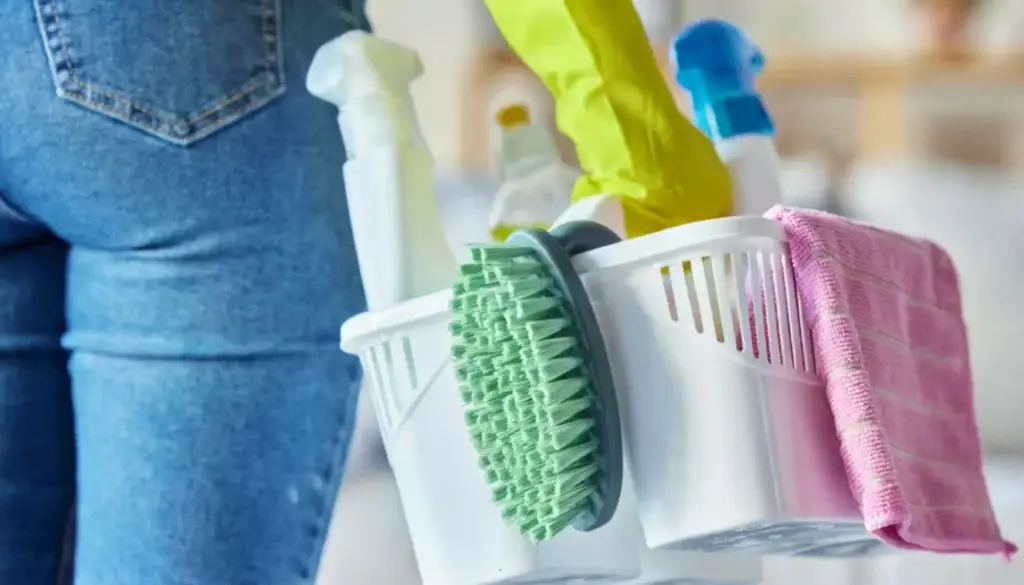
A home cleaning checklist before booking helps you understand what your home needs, what to ask, and how to prepare before a professional cleaning visit. It also helps avoid confusion about scope, timing, supplies, and expectations.
Many homeowners know they need help, but they are not always sure whether they need standard cleaning, deep cleaning, move-related cleaning, or a more detailed one-time visit. This guide gives you a practical way to review your space before scheduling, so the cleaning team can focus on the right priorities from the start.
A home cleaning checklist before booking should include five steps: review the current condition of each room, identify priority areas, choose the right cleaning type, confirm what is included, and prepare the home before the visit. This helps the cleaning company estimate the work more accurately and helps you get better results.
Why a home cleaning checklist before booking matters
A home cleaning checklist before booking matters because every home has different needs. Two houses with the same number of bedrooms can require very different levels of work. One may need regular maintenance. Another may need detailed attention after guests, pets, construction dust, seasonal use, or a long gap between cleanings.
Cleaning professionals often notice the same issue during first visits: the homeowner asks for “regular cleaning,” but the home actually needs a deeper reset. This can happen when baseboards, cabinet fronts, inside corners, heavy dust, soap scum, or built-up kitchen grease need more time than a standard appointment allows.
A checklist helps both sides make better decisions. It gives the homeowner a clear way to describe the home. It also gives the cleaning company a better understanding of time, supplies, and crew size.
Use a home cleaning checklist before booking to clarify:
- Which rooms need the most attention
- Whether the home needs maintenance or detailed cleaning
- If there are pets, children, guests, or allergy concerns
- Whether clutter may limit access to surfaces
- If there are delicate materials, special floors, or fragile items
- What should be cleaned first if time is limited
This step is especially useful for first-time customers. It reduces assumptions and helps the cleaning visit feel more organized.
What to review before scheduling home cleaning
Before scheduling, walk through the home and look at each room with practical eyes. You do not need to clean before the cleaners arrive, but you should understand what needs attention.
Start with the rooms that affect daily comfort the most. Kitchens and bathrooms usually require more detailed work because they collect moisture, grease, soap residue, fingerprints, and bacteria on high-touch surfaces. Living rooms and bedrooms often need dusting, floor care, and surface organization.
A simple home cleaning checklist before booking should include:
- Room count
List all rooms that should be cleaned, including bathrooms, bedrooms, living areas, kitchen, laundry room, entryways, and hallways. - Priority areas
Identify the rooms or surfaces that matter most. This helps the team focus if the home needs more work than expected. - Surface condition
Look for dust, stains, buildup, pet hair, fingerprints, crumbs, grease, and soap scum. - Access issues
Check whether counters, floors, sinks, or furniture are blocked by clutter. - Special requests
Note fragile items, preferred products, rooms to skip, or areas that need extra care. - Timing needs
Mention if the cleaning is before guests, after a rental stay, before moving, or after renovation work.
The goal is not to create a perfect inspection. The goal is to make the appointment more accurate and useful.
How to identify the type of cleaning your home needs
A home cleaning checklist before booking should help you choose the right type of cleaning. This is one of the most important steps because the wrong service type can lead to disappointment.
Standard cleaning
Standard cleaning is best for homes that already receive regular maintenance. It usually focuses on visible surfaces, common living areas, kitchens, bathrooms, dusting, vacuuming, mopping, and general tidying of accessible areas.
This is a good fit when:
- The home is cleaned often
- There is no heavy buildup
- Floors and surfaces are accessible
- The main goal is routine maintenance
- You want weekly, biweekly, or monthly support
If your home has not been cleaned professionally in a while, standard cleaning may not be enough for the first visit. In that case, a more detailed first appointment can create a cleaner baseline for future maintenance.
Deep cleaning
Deep cleaning is more detailed. It is usually recommended when there is buildup, neglected areas, or a need for a full reset. A deep cleaning visit may include more detailed attention to baseboards, doors, cabinet fronts, fixtures, corners, tile, and hard-to-reach areas.
This is a better fit when:
- There is visible dust along edges and corners
- Kitchen grease has built up on surfaces
- Bathrooms have soap scum or mineral marks
- The home has not had detailed cleaning recently
- You want a reset before starting recurring service
If your checklist shows buildup in several rooms, consider reviewing residential cleaning services before booking. This helps you understand which cleaning level fits the condition of the home.
One-time cleaning
One-time cleaning works well for events, seasonal use, guests, or a specific moment when the home needs attention. It may be lighter or more detailed depending on the condition of the home.
This can be useful before:
- Hosting family or guests
- Returning to a seasonal property
- Preparing for a celebration
- Getting the home back in order after a busy period
The checklist helps decide whether the one-time visit should be closer to standard cleaning or deep cleaning.
Move-related cleaning
Move-in and move-out cleaning is different from routine cleaning. Empty or partially empty homes often need attention inside cabinets, drawers, closets, appliances, and areas that are normally blocked by furniture.
Choose move-related cleaning when:
- You are preparing a home for a new resident
- You are leaving a property
- You need cabinets, closets, or appliances reviewed
- The home is empty or mostly empty
- You want the space ready before unpacking
For this scenario, the checklist should include hidden and interior areas, not only visible surfaces. You can also use this move-out cleaning checklist if the home is being prepared for a final walkthrough.
Room-by-room home cleaning checklist before booking
A room-by-room review makes the process easier. Instead of trying to describe the whole home at once, inspect one area at a time.
Kitchen checklist
The kitchen often takes the most time because it collects grease, crumbs, fingerprints, spills, and food residue. Before booking, review whether the kitchen needs routine cleaning or detailed attention.
Check:
- Countertops and backsplash
- Sink and faucet
- Stovetop and range area
- Microwave interior and exterior
- Appliance exteriors
- Cabinet fronts and handles
- Dining table or island
- Trash area
- Floors and corners
- Baseboards
- Visible grease or sticky buildup
If the oven, refrigerator interior, or inside cabinets need cleaning, ask whether those tasks are included or available as add-ons. Many companies treat these as extra services because they require more time.
Bathroom checklist
Bathrooms need careful review because moisture can create buildup quickly. A standard visit may handle routine surfaces, while a deep cleaning may be needed for grout, soap scum, and hard water marks.
Check:
- Toilets
- Sinks and faucets
- Mirrors
- Shower doors or curtains
- Bathtubs
- Tile and grout
- Vanity tops
- Cabinet fronts
- Towel areas
- Floors and corners
- Trash bins
- High-touch handles and switches
If there is heavy buildup, be realistic. Some marks may need specialty products, repeated treatment, or more than one visit.
Bedroom checklist
Bedrooms are usually easier to maintain when surfaces are accessible. Clutter can make cleaning less effective because cleaners may not move personal items or reorganize belongings unless that service is included.
Check:
- Nightstands
- Dressers
- Lamps
- Window sills
- Mirrors
- Floors
- Under-bed access
- Baseboards
- Ceiling fan dust
- Closet access, if included
If you want linens changed, confirm that fresh sheets are available and that bed-making is included in the visit.
Living area checklist
Living rooms, family rooms, and sitting areas collect dust, pet hair, crumbs, and fingerprints. Furniture layout can also affect cleaning time.
Check:
- Coffee tables and side tables
- Shelves
- TV stands
- Upholstery surface dust
- Floors and rugs
- Pet hair
- Window sills
- Door handles
- Light switches
- Baseboards
- Decorative items
If the room has many fragile objects, move them before the visit or tell the cleaning team how to handle them.
Entryways, hallways, and stairs
These areas are easy to overlook, but they collect dirt quickly because people move through them all day.
Check:
- Shoe areas
- Door glass
- Doormats
- Stair railings
- Banisters
- Floor edges
- Wall marks
- Light switches
- Baseboards
If the home has heavy sand, mud, salt, or outdoor debris, mention this when booking.
Questions to ask before the first visit
A home cleaning checklist before booking should include questions for the company. Clear questions help you avoid surprises and make the visit smoother.
Ask:
- What is included in a standard cleaning visit?
- What tasks require an add-on?
- Do you bring supplies and equipment?
- Do you use specific products for delicate surfaces?
- How many cleaners usually come to the home?
- How long does the first visit usually take?
- Can I share priority areas before the visit?
- Are inside appliances, windows, or cabinets included?
- Do you clean around clutter or should surfaces be cleared first?
- What happens if the home needs more time than expected?
These questions show whether the service matches your expectations. They also help the company recommend the right option.
What may not be included in a standard cleaning visit
Many misunderstandings happen because homeowners assume every cleaning task is included. A standard visit usually focuses on routine cleaning, not specialty work.
Tasks that may not be included unless requested:
- Inside oven cleaning
- Inside refrigerator cleaning
- Inside cabinets and drawers
- Interior window washing
- Carpet shampooing
- Laundry
- Dishwashing
- Wall washing
- Mold removal
- Pest-related cleaning
- Heavy construction dust removal
- Hoarding or extreme clutter cleanup
- Exterior cleaning
This does not mean the company cannot help. It only means you should ask before booking. Some tasks require different tools, more time, or a separate service.
The CDC recommends cleaning surfaces before sanitizing or disinfecting them, because dirt and other impurities can make disinfecting less effective. This is a useful reminder that cleaning and disinfecting are related, but they are not the same process.
How to prepare your home before cleaners arrive
Preparing your home does not mean doing the cleaning yourself. It means making the visit more efficient.
Use this home cleaning checklist before booking and again before the appointment:
- Pick up personal items from floors
- Clear important counters when possible
- Put away valuables and fragile objects
- Secure pets or explain pet instructions
- Leave fresh linens out if beds should be changed
- Share parking or entry instructions
- Mention rooms that should not be cleaned
- Point out delicate surfaces or damaged items
- Make sure water and electricity are available
- Send priority areas in advance if possible
A little preparation can improve the result. Cleaners can spend more time cleaning surfaces and less time working around obstacles.
Common mistakes homeowners make before booking
One common mistake is choosing the lowest level of cleaning for a home that needs a reset. This can create frustration because the team may not have enough time to complete detailed work.
Another mistake is not mentioning pets. Pet hair, litter areas, food bowls, paw prints, and odor control can change the time needed for the appointment.
A third mistake is assuming that “deep cleaning” means every possible task is included. Even deep cleaning has limits. For example, inside appliances, interior windows, and laundry may still need to be requested separately.
Other mistakes include:
- Booking too close to an event without allowing enough time
- Forgetting to mention heavy buildup
- Not asking about supplies
- Leaving too much clutter on surfaces
- Expecting cleaners to move heavy furniture
- Not sharing access instructions
- Waiting until the visit starts to explain priorities
A checklist helps prevent these issues because it turns vague expectations into clear information.
Recommended cleaning frequency
The right cleaning frequency depends on lifestyle, home size, pets, guests, and how often the space is used.
For many homes, weekly or biweekly cleaning works well for maintenance. Monthly cleaning can work for smaller homes, low-traffic homes, or homeowners who handle light cleaning between visits. Seasonal or one-time cleaning may be enough for homes that are not used every day.
Consider more frequent cleaning if:
- You have pets
- You host guests often
- You have children at home
- The kitchen is used heavily
- Bathrooms build up quickly
- Someone in the home has sensitivities to dust
- The property is used as a rental or seasonal home
The EPA explains that source control, ventilation, and filtration can help reduce exposure to indoor pollutants. Regular cleaning is not the only factor in indoor air quality, but reducing dust and buildup on accessible surfaces can support a cleaner indoor environment.
Signs your home needs more than standard cleaning
A standard cleaning visit may not be enough if the home has visible buildup or neglected details.
Signs you may need a deeper visit include:
- Sticky kitchen surfaces
- Grease on cabinet fronts
- Dust along baseboards
- Heavy dust on fans or vents
- Soap scum in showers
- Hard water marks
- Dirt in corners and edges
- Pet hair on floors and furniture
- Odors that return quickly
- Stains around sinks or toilets
- A long gap since the last professional cleaning
If several of these signs appear during your walkthrough, ask about a more detailed first visit before booking. This helps the company plan enough time and avoids unrealistic expectations.
When clutter changes the cleaning plan
Clutter does not only affect how a home looks. It also affects what cleaners can reach. If counters, floors, tables, bathroom vanities, or bedroom furniture are covered with personal items, the cleaning team may need to work around them.
That can limit the final result.
Before booking, ask yourself:
- Are floors clear enough to vacuum or mop?
- Are bathroom counters accessible?
- Are kitchen counters covered with dishes or paperwork?
- Are fragile items stored safely?
- Are closets or storage areas part of the request?
- Do you need organizing before cleaning?
If clutter is the main issue, cleaning alone may not solve the problem. In that case, professional organizing may help prepare the home for a more effective cleaning visit.
Real-life scenarios where a checklist helps
A home cleaning checklist before booking is especially useful in real situations where the home has a specific need.
Before guests arrive
If guests are coming, focus on bathrooms, kitchen, guest bedrooms, entryways, and living areas. These spaces shape the first impression.
After a busy season
Homes often need extra attention after holidays, family visits, or heavy use. A checklist helps identify what changed since the last cleaning.
Before starting recurring service
Many homeowners schedule a detailed first visit before moving into recurring cleaning. This creates a better baseline for future maintenance.
Before moving in
An empty home may look clean at first, but cabinets, drawers, appliances, and closets often need attention before belongings arrive.
After minor renovation work
Even small projects can leave dust on surfaces, floors, window sills, and fixtures. If construction dust is present, mention it before scheduling because it may require a different approach.
FAQ
What is a home cleaning checklist before booking?
A home cleaning checklist before booking is a simple review of rooms, surfaces, priorities, and special requests before scheduling a cleaning visit. It helps homeowners explain what they need and helps the cleaning company recommend the right service.
Should I clean before the cleaners arrive?
You do not need to clean before the cleaners arrive. However, it helps to pick up personal items, clear important surfaces, secure pets, and share access instructions. This allows the team to spend more time cleaning.
How do I know if I need standard cleaning or deep cleaning?
Choose standard cleaning if your home is already maintained and needs routine care. Choose deep cleaning if there is visible buildup, heavy dust, soap scum, grease, or neglected details.
Are inside appliances included in a regular cleaning visit?
Not always. Inside ovens, refrigerators, cabinets, and drawers are often considered add-ons. Ask before booking so the company can allow enough time.
How often should I book home cleaning?
Many homes benefit from weekly or biweekly cleaning. Monthly cleaning may work for lower-traffic homes. Homes with pets, children, guests, or heavy kitchen use may need more frequent visits.
What should I tell the cleaning company before the first visit?
Mention the number of rooms, priority areas, pets, access instructions, delicate surfaces, special requests, and whether there is heavy buildup. This helps the company prepare properly.
Can clutter affect the cleaning result?
Yes. Clutter can block access to counters, floors, sinks, shelves, and furniture. If the home needs organizing first, ask whether organizing support is available before or alongside cleaning.
Use this checklist before your next cleaning visit
A home cleaning checklist before booking makes the entire process easier. It helps you understand what your home needs, choose the right type of visit, and explain priorities clearly.
Before scheduling, walk through each room, note visible buildup, identify must-clean areas, and ask what is included. If your home needs routine maintenance, residential cleaning services may be the right fit. If the home needs a more detailed reset, ask about a first visit designed to address buildup before starting a recurring schedule. If you are preparing for a move, use a moving checklist to review cabinets, appliances, closets, and hidden areas before the final walkthrough.
Quality Clean Service can help you choose the right cleaning option based on your home, timing, and priorities. Share your checklist when requesting an estimate, and let the team know which areas matter most before the visit.
