
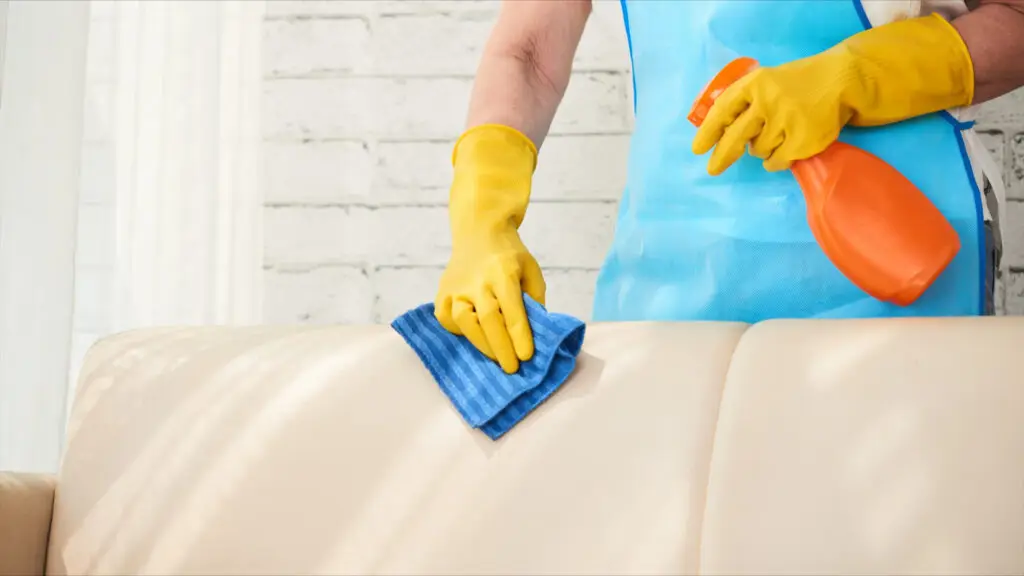
A home cleaning routine guide helps you organize daily, weekly, monthly, and seasonal cleaning tasks without feeling overwhelmed. It gives you a practical structure to keep the home cleaner, reduce buildup, and avoid leaving every task for the same day.
Many homes become harder to maintain not because people ignore cleaning, but because the routine is unclear. When tasks are divided by frequency and priority, cleaning becomes more manageable. This guide explains how to build a simple routine, what to clean first, which mistakes to avoid, and when a home may need more detailed attention.
A home cleaning routine guide should divide tasks into daily, weekly, monthly, and seasonal actions. Daily tasks keep mess under control, weekly tasks protect the main rooms, monthly tasks reduce hidden buildup, and seasonal tasks help reset areas that are easy to forget.
Why a home cleaning routine guide helps
A home cleaning routine guide helps because cleaning is easier when it follows a rhythm. Without a plan, small messes become larger problems. Dust collects along baseboards, grease builds up in the kitchen, bathrooms develop soap scum, and clutter blocks surfaces that should be easy to clean.
Cleaning professionals often notice the same pattern in many homes. The hardest spaces to clean are not always the largest ones. They are the spaces where maintenance stopped for too long. A bathroom with weeks of soap residue can take more time than a large bedroom that is dusted regularly. A kitchen with daily surface care is easier to maintain than a smaller kitchen with sticky cabinet fronts and old grease.
A clear routine helps you decide what matters today and what can wait. It also helps you avoid cleaning only when the house already feels out of control.
Use this home cleaning routine guide to:
- Keep high-use areas under control
- Reduce dust, crumbs, grease, and soap buildup
- Make weekly cleaning faster
- Separate light cleaning from deeper tasks
- Avoid forgetting hidden areas
- Prepare the home before guests or seasonal use
- Know when a space needs more than routine care
The goal is not perfection. The goal is consistency.
How to build a home cleaning routine guide
A home cleaning routine guide should start with how your home is actually used. A family home with pets, children, frequent cooking, and guests will need a different routine than a quiet seasonal home or a small apartment.
Start by asking five questions:
- Which rooms are used every day?
- Which areas get dirty the fastest?
- Are there pets, children, guests, or heavy kitchen use?
- Which tasks are easy to do often?
- Which tasks are usually forgotten?
The answers help you create a routine that fits real life. A useful cleaning plan should not depend on having an entire free day every week. It should break tasks into smaller steps.
A practical routine usually includes:
- Daily tasks for visible mess
- Weekly tasks for bathrooms, kitchen, floors, and dust
- Monthly tasks for details and buildup
- Seasonal tasks for resets
- Flexible tasks for guests, moves, or special situations
This structure keeps the home easier to maintain and reduces the need for urgent cleaning before every event.
Daily cleaning tasks that prevent buildup
Daily cleaning should be simple. It should focus on the areas that affect comfort, hygiene, and first impressions.
A good daily routine may include:
- Wiping kitchen counters
- Washing or loading dishes
- Clearing the dining table
- Taking out trash when needed
- Wiping bathroom sinks
- Hanging towels properly
- Picking up items from floors
- Returning objects to their place
- Sweeping high-traffic areas
- Checking entryways for dirt or sand
Daily cleaning does not need to be perfect. The purpose is to prevent small messes from spreading.
Kitchen daily routine
The kitchen usually needs daily attention because it collects food residue, grease, crumbs, and moisture. A few minutes at the end of the day can prevent a larger cleaning job later.
Focus on:
- Counters
- Sink
- Stovetop spills
- Table or island
- Dishes
- Trash area
- Floor crumbs
If the kitchen is used heavily, wiping surfaces daily can make weekly cleaning much easier.
Bathroom daily routine
Bathrooms benefit from small daily habits. Moisture, toothpaste, soap, and hair can build up quickly.
Focus on:
- Sink area
- Faucet
- Countertop
- Towels
- Trash
- Shower ventilation
- Toilet area, if needed
The CDC recommends cleaning surfaces before sanitizing or disinfecting them, especially because dirt and impurities can make disinfecting less effective. This is helpful to remember in bathrooms and other high-touch areas.
Weekly tasks in a home cleaning routine guide
Weekly cleaning handles the main structure of the home. These tasks usually take more time than daily habits, but they prevent visible buildup.
A weekly routine may include:
- Cleaning bathrooms
- Cleaning kitchen surfaces
- Dusting furniture
- Vacuuming carpets and rugs
- Mopping hard floors
- Emptying trash bins
- Cleaning mirrors
- Wiping high-touch surfaces
- Changing bed linens
- Reviewing cluttered areas
Weekly cleaning should focus on the rooms that affect daily life most: kitchen, bathrooms, bedrooms, living areas, and entryways.
Kitchen weekly checklist
Once a week, review more than the counters.
Clean or check:
- Appliance exteriors
- Microwave
- Cabinet handles
- Backsplash
- Sink and faucet
- Trash can area
- Floors
- Baseboards near food prep areas
- Dining chairs and table legs
If grease is visible on cabinet fronts or around the stove, the kitchen may need extra attention.
Bathroom weekly checklist
Bathrooms should usually be cleaned weekly in active homes.
Clean or check:
- Toilet
- Sink
- Faucet
- Mirror
- Shower or tub
- Vanity top
- Floor
- Trash bin
- Door handles
- Light switches
- Towel area
If soap scum, hard water marks, or grout buildup are already visible, add a more detailed bathroom task to the monthly routine.
Bedroom weekly checklist
Bedrooms are easier to maintain when surfaces stay clear.
Clean or check:
- Bed linens
- Nightstands
- Dressers
- Mirrors
- Floors
- Rugs
- Lamps
- Window sills
- Laundry areas
If clutter makes dusting difficult, spend a few minutes removing items before cleaning.
Monthly cleaning tasks for hidden buildup
Monthly cleaning focuses on details that do not need daily or weekly attention, but can become difficult when ignored.
A home cleaning routine guide should include monthly tasks such as:
- Dusting ceiling fans
- Cleaning baseboards
- Wiping doors and frames
- Cleaning cabinet fronts
- Vacuuming under furniture when possible
- Cleaning vents
- Washing trash bins
- Reviewing pantry shelves
- Cleaning inside the microwave more deeply
- Checking bathroom grout
- Dusting window sills and blinds
Monthly cleaning is where many homes start to fall behind. These tasks are easy to delay because they are not always urgent. However, they make a big difference in how clean the home feels.
The EPA explains that indoor air quality can be affected by indoor sources, ventilation, filtration, humidity, and other conditions. Cleaning is only one part of a healthier indoor environment, but reducing dust and buildup on accessible surfaces can support a cleaner home.
Seasonal cleaning tasks for a full reset
Seasonal cleaning gives the home a deeper reset. These tasks are especially useful before holidays, guest visits, seasonal openings, or major schedule changes.
Seasonal tasks may include:
- Washing windowsills
- Cleaning behind large furniture when possible
- Reviewing closets
- Cleaning storage areas
- Washing curtains or checking blinds
- Deep cleaning kitchen areas
- Cleaning inside appliances
- Reviewing guest rooms
- Checking laundry room buildup
- Refreshing entryways
- Cleaning outdoor-adjacent areas
Seasonal cleaning is also a good moment to decide whether routine maintenance is enough or whether the home needs more detailed support.
If the home has heavy buildup, recurring dust, or areas that have not been cleaned in months, reviewing residential cleaning services can help you understand the difference between maintenance and a deeper reset.
Common mistakes in home cleaning routines
A home cleaning routine guide should also explain what not to do. Many cleaning problems come from habits that seem harmless at first.
Common mistakes include:
- Waiting until the home feels overwhelming
- Cleaning rooms without clearing surfaces first
- Using too much product
- Skipping ventilation in bathrooms
- Ignoring baseboards and corners
- Forgetting high-touch areas
- Using the same cloth in too many rooms
- Cleaning floors before dusting
- Not separating routine tasks from deep cleaning tasks
- Letting clutter block cleaning access
One of the biggest mistakes is trying to clean everything in one long session. This often leads to frustration. Smaller routines are easier to repeat.
Another mistake is focusing only on visible surfaces. A room can look tidy but still have dust along edges, buildup around fixtures, or dirt in corners.
Signs your home needs a better cleaning routine
Your current routine may need adjustment if the home becomes messy again too quickly. This does not always mean you need to clean more. Sometimes it means the tasks are not organized correctly.
Signs your routine needs improvement include:
- Dust returns quickly
- Kitchen surfaces feel sticky
- Bathrooms develop odor
- Floors look dirty soon after cleaning
- Pet hair collects in corners
- Laundry piles up often
- Guests trigger urgent cleaning
- Clutter blocks counters and floors
- Baseboards and vents are always dusty
- You feel unsure where to start
If these signs happen often, simplify the routine. Add small daily tasks, protect one weekly cleaning block, and schedule one monthly detail task at a time.
Recommended cleaning frequency
Cleaning frequency depends on the home, but most households benefit from a mix of daily, weekly, monthly, and seasonal tasks.
A practical frequency guide:
- Daily: dishes, counters, clutter, bathroom sink, trash when needed
- Weekly: bathrooms, floors, dusting, kitchen surfaces, linens
- Monthly: baseboards, doors, fans, vents, cabinet fronts, hidden dust
- Seasonal: windowsills, closets, appliance interiors, storage areas, deeper resets
Homes with pets, children, frequent guests, or heavy cooking may need more frequent attention. Seasonal homes may need a stronger reset before and after periods of use.
A routine should be realistic. If a task is too difficult to repeat, it will probably not become a habit.
How clutter affects cleaning
Clutter changes the cleaning process because it blocks access. Floors, counters, tables, bathroom vanities, and shelves are harder to clean when they are covered with personal items.
Cleaning and organizing are different tasks. Cleaning removes dust, dirt, residue, and buildup. Organizing creates systems for belongings.
A home may need organizing first if:
- Counters are always covered
- Floors are difficult to vacuum
- Closets are overflowing
- Papers or toys spread across rooms
- Cabinets cannot be accessed
- Cleaning takes too long because items need to be moved
If clutter is the main issue, professional organizing may be more useful than adding more cleaning tasks to the routine.
Real-life examples of cleaning routines
A home cleaning routine guide works best when it reflects real situations.
Busy family home
A busy family home may need daily kitchen care, weekly bathrooms, frequent floor cleaning, and regular clutter control. The routine should focus on high-use areas first.
Home with pets
A home with pets may need more frequent vacuuming, attention to corners, washable rugs, odor control, and regular cleaning around feeding areas.
Seasonal home
A seasonal home may not need weekly care all year, but it often needs a strong opening and closing routine. Dust, musty odors, bathrooms, kitchens, and entryways should be reviewed before guests arrive.
Home before guests
Before guests, focus on bathrooms, kitchen, entryway, guest bedroom, living room, and visible floors. Avoid starting low-priority projects that cannot be finished in time.
Home after a move
After a move, hidden areas become visible. Cabinets, drawers, closets, baseboards, and appliance interiors may need more attention. This move-out cleaning checklist can help organize those tasks.
FAQ
What is a home cleaning routine guide?
A home cleaning routine guide is a plan that organizes cleaning tasks by frequency. It helps you decide what to clean daily, weekly, monthly, and seasonally.
How often should I clean my home?
Most homes need daily light tasks, weekly cleaning for kitchens and bathrooms, monthly detail cleaning, and seasonal resets. The exact frequency depends on pets, children, guests, cooking habits, and home size.
What should I clean every day?
Daily tasks should include kitchen counters, dishes, visible clutter, bathroom sinks, trash when needed, and quick floor care in high-traffic areas.
What should I clean once a week?
Weekly tasks usually include bathrooms, kitchen surfaces, dusting, vacuuming, mopping, mirrors, linens, and high-touch surfaces.
What cleaning tasks are easy to forget?
Baseboards, vents, ceiling fans, cabinet fronts, door frames, window sills, trash bins, and areas under furniture are often forgotten.
How do I know if my home needs deep cleaning?
Your home may need deeper cleaning if there is visible buildup, sticky surfaces, soap scum, grease, heavy dust, odors, pet hair, or a long gap since the last detailed cleaning.
Should I organize before cleaning?
Yes, if clutter blocks surfaces or floors. Organizing first gives better access and makes cleaning more effective.
Make your routine easier to maintain
A home cleaning routine guide should make your home easier to care for, not add pressure. Start small. Choose a few daily habits, protect time for weekly cleaning, and add one monthly detail task at a time.
If your home already has heavy buildup, do not expect a basic routine to solve everything immediately. Start with the most-used rooms, such as the kitchen, bathrooms, bedrooms, and entryways. Then build a rhythm that fits your household.
A clean home is easier to maintain when the routine is realistic. Use this guide as a flexible plan, adjust it as your schedule changes, and review it before busy seasons, guest visits, moves, or major home transitions.
