
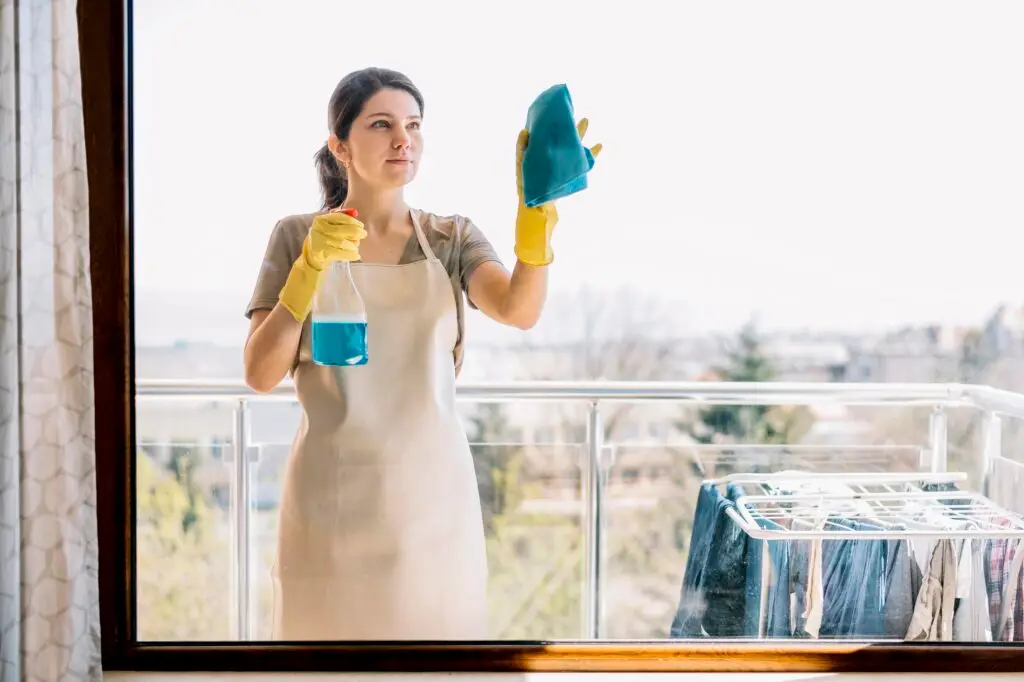
Your apartment balcony is often an extension of your indoor living space, offering essential fresh air and relaxation. However, its exposure to the elements means it accumulates dirt, pollen, and debris quickly. Unlike cleaning a home patio, cleaning an apartment balcony requires careful consideration of building rules and the welfare of your downstairs neighbors. This guide provides a detailed, step-by-step process for a thorough and responsible clean.
Why Balcony Cleaning Matters
Maintaining a clean and hygienic balcony is crucial for community living and for protecting your own lease agreement.
Prevents Dirt, Mildew, and Pest Buildup
The combination of rain, humidity, and trapped organic debris (like dead leaves and soil runoff from plants) creates a prime environment for mold and mildew. These fungi can damage the deck surface and pose a health risk. Furthermore, neglected balconies with standing water, clutter, or trash become attractive nesting and feeding grounds for pests like spiders, wasps, and other insects, which can then easily find their way inside your apartment.
Keeps Your Outdoor Space Welcoming Year-Round
A clean balcony significantly boosts the appeal and functionality of your entire apartment. Regularly clearing dust and grime ensures the space is immediately available for use—whether for morning coffee or evening relaxation. A well-maintained balcony also supports your community’s aesthetic standards, ensuring you remain in good standing with your Homeowners Association (HOA) or landlord.
Cleaning Supplies You’ll Need
Minimal supplies are needed, but choosing the right tools is key to cleaning effectively without causing damage or disturbing neighbors.
Broom, Mop, Mild Detergent, and Bucket
- Broom: Use a soft-bristled broom or a handheld brush for sweeping. Avoid stiff push brooms, which can damage decking materials or kick dust over the railing.
- Mop: A sponge mop or a microfiber flat mop is ideal, as they allow for precise control over the amount of water used.
- Mild Detergent: Choose a gentle, pH-neutral cleaner. Standard dish soap (like Dawn) is an excellent choice as it cuts through grease and grime without harming most outdoor furniture finishes or decking materials.
- Bucket: An essential tool for mixing your cleaning solution and, critically, for collecting the dirty water.
Microfiber Cloths for Railings and Furniture
Microfiber cloths are superior to paper towels or rags for outdoor use because they trap dust and grime efficiently, leaving behind a lint-free finish on railings and glass. Keep several cloths handy: one for dry dusting, one for applying the detergent solution, and one for rinsing/drying.
Step-by-Step Balcony Cleaning Process
This process prioritizes responsible water use and systematic cleaning.
Step 1: Sweep and Remove Loose Debris
Before introducing any liquid, clear the area completely:
- Declutter: Move all furniture, planters, décor, and storage items off the balcony and into the apartment temporarily. This allows access to every inch of the floor.
- Sweep Thoroughly: Use your soft-bristled broom to sweep all large debris, leaves, dirt, and dust toward your apartment door. Collect the sweepings into a dustpan and dispose of them in a trash receptacle (never sweep them over the edge).
- Vacuum (Optional): If the floor is carpeted, or if you have a lot of fine dust in the corners, use a shop vac or a portable outdoor vacuum to ensure all particles are removed before washing.
Step 2: Wash the Floor with Soapy Water and Rinse
This is the most crucial step, requiring careful water management to prevent runoff.
- Prepare Solution: Fill your bucket with a gallon of warm water and a few drops of mild dish soap.
- Apply Solution: Dip your sponge or flat mop into the solution, then thoroughly wring it out until it is barely damp. Mop the balcony floor section by section using a damp-mopping technique. This minimizes excess water.
- Spot Clean: For any stubborn, sticky spots, use a scrub brush and a small amount of the soapy solution directly on the stain. Scrub gently.
- Rinse Responsibly: Empty the soapy water and refill the bucket with clean, plain water. Dip a clean mop or sponge into the clean water and wring it out again until nearly dry. Mop the floor again to rinse the soap residue.
- Water Disposal: Crucially, the used, dirty rinse water must be absorbed or collected. If you have a floor drain on the balcony, verify with your lease that this drain leads to a proper sewer line (some just drain onto the neighbor below). If in doubt, soak up the remaining rinse water using old towels or use the wet/dry function of your shop vac, and pour the dirty water down a toilet or sink inside your apartment.
Step 3: Wipe Down Furniture and Railings
Once the floor is clean and dry, return the focus to vertical and functional surfaces.
- Wipe Railings: Use the soapy microfiber cloth to wipe down the top rail and vertical balusters. These collect heavy layers of dust and grime.
- Clean Furniture: Wipe down patio chairs, tables, and storage containers. Use a second, clean cloth to dry and polish surfaces. If your furniture is plastic or metal, consider applying a UV-protectant spray to prevent sun damage and fading.
- Clean Planters: Wipe down the outside of planters and ensure all saucers underneath are empty, clean, and free of standing water.
Maintenance Tips for Apartments
These tips focus on keeping your balcony clean and compliant with apartment complex regulations.
Avoid Dumping Water Over Balconies
This is a non-negotiable rule in nearly all US apartment leases and HOA agreements. Dumping water can damage lower-level structures, ruin furniture, stain windows, and is a major cause of neighbor disputes. Always absorb or collect excess water as outlined in Step 2. When watering plants, ensure your planters have saucers to catch all runoff, and dispose of the saucer water responsibly indoors.
Schedule Light Cleaning Monthly
Preventative maintenance is easier than deep restoration. Set a monthly calendar reminder for a “light clean,” which includes:
- A quick sweep and dust of all surfaces.
- Wiping down the outside of your railings.
- Checking and emptying plant saucers.
- Spot-treating any fresh stains on the floor.
FAQs
Can I pressure wash an apartment balcony?
No, pressure washing is strictly discouraged and often explicitly forbidden on apartment balconies. The powerful, focused stream of water can:
- Damage the waterproof membrane, seals, and concrete substrate, leading to costly structural damage to the building.
- Force water over the edges and into the walls or ceilings of the units below, causing water damage and mold in your neighbor’s property.
- Damage the painted or sealed finish of railings and deck tiles.
A bucket, a gentle cleaner, and a mop are the safest, most effective, and landlord-approved tools for apartment balcony cleaning.
What’s the best cleaner for outdoor tile?
For most ceramic, porcelain, or stone outdoor tiles, the best cleaner is a solution of mild, pH-neutral dish soap and warm water.
If you notice significant mildew or green moss on unsealed tiles, you can use a stronger, but still gentle, solution:
- Oxygen Bleach Solution: Mix powdered oxygen bleach (like OxiClean) with warm water according to package directions. Apply with a mop, let it sit for 10-15 minutes, gently scrub with a soft brush, and rinse thoroughly. Oxygen bleach is less corrosive and safer for most materials than chlorine bleach. Always verify the manufacturer’s recommendations for your specific tile type.
Ready to enjoy your revitalized outdoor oasis? Let me know if you’d like to explore balcony organization ideas or draft a checklist for seasonal plant care for your new, clean space!
