
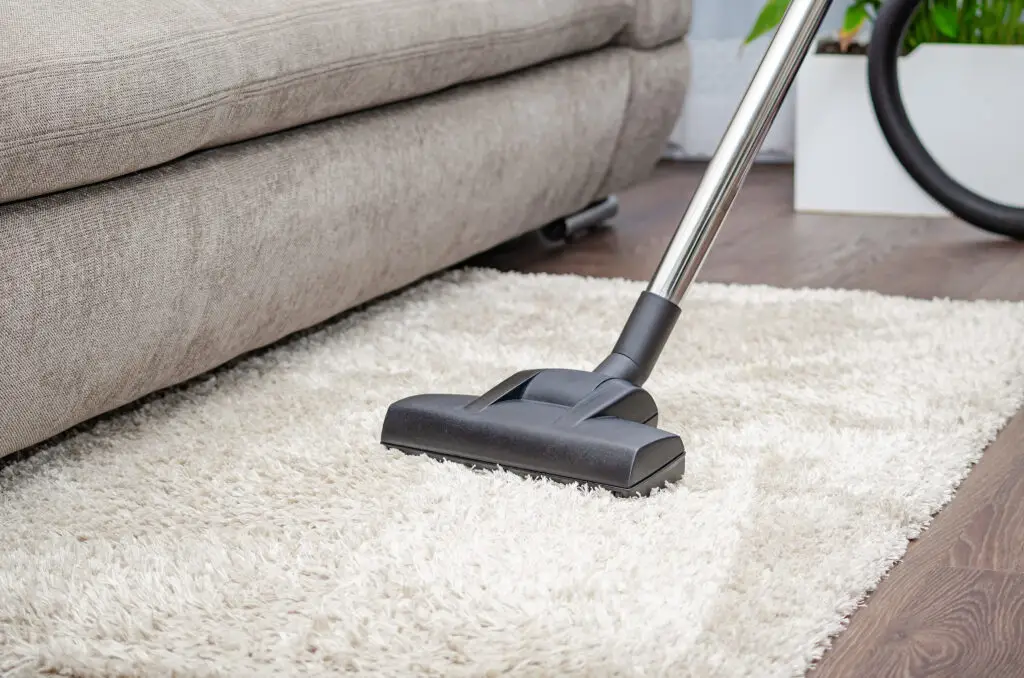
Living room rugs add warmth, texture, and definition to your space, but they also serve as large, decorative air filters, trapping everything that falls or settles. A consistent cleaning regimen is crucial not only for aesthetics but also for maintaining a healthy indoor environment. This guide covers everything from daily maintenance to deep cleaning options.
Why Regular Rug Cleaning Is Essential
Neglecting your rug can lead to premature wear and tear and contribute to poor indoor air quality.
Traps Dirt, Allergens, and Pet Dander
Rugs are the ultimate trap for microscopic irritants. They naturally collect significant amounts of fine particles like dust, pollen, pet dander, and dust mite waste. Regular cleaning ensures these allergens are removed from the home environment, reducing respiratory issues and improving the overall air quality.
Prolongs the Rug’s Life and Color
When abrasive particles like dirt and sand are left in the rug’s fibers, they act like tiny blades, cutting and damaging the threads every time someone walks across them. This leads to premature matting and wear. Regular deep vacuuming removes these sharp particles, while periodic cleaning removes built-up grime that dulls and discolors the fibers, thereby prolonging the rug’s vibrant appearance and structural integrity.
Step-by-Step Routine Cleaning
This routine focuses on everyday maintenance and immediate care for accidents.
Shake or Vacuum to Remove Debris
Routine removal of loose debris is the most important step for fiber longevity.
- Small Rugs: For smaller area rugs (5×7 feet or less), take them outside and give them a vigorous shake or drape them over a railing and beat them to dislodge deep-set dirt.
- Large Rugs: Use a high-quality vacuum cleaner with a beater bar for synthetic rugs, or switch the beater bar off (or use the lowest suction setting) for delicate rugs like wool, silk, or antique varieties. Vacuum at least once a week, making slow, overlapping passes in two different directions to ensure the removal of embedded grit.
Blot Stains Immediately with Mild Detergent
Speed is critical when dealing with spills. Immediate action prevents the stain from setting or soaking into the underlayment.
- Remove Solids: Scoop up any solid matter (like food or pet waste) using a dull knife or spoon, moving from the edges inward.
- Blot, Don’t Rub: Apply a clean, white cloth to the spill and press firmly. Never rub, as this pushes the stain deeper into the fibers and causes fraying or distortion.
- Apply Solution: Mix a drop of mild dish soap (without bleach or lanolin) with warm water. Dampen a new cloth with this solution and gently blot the stain again, working from the outside in.
Rinse and Air Dry Thoroughly
Once the stain is lifted, you must rinse out the detergent residue. Soap residue attracts dirt like a magnet and will cause the spot to reappear quickly.
- Rinse: Dampen a clean cloth with plain cold water and blot the area repeatedly until no suds are visible.
- Dry: Lay several dry towels over the damp spot and weigh them down with a heavy object (like a stack of books). Let it sit for several hours to wick away moisture. Once the towels are removed, allow the rug to air dry completely before walking on the area. Use a fan or open a window to speed up the process.
Deep Cleaning Options
When routine cleaning isn’t enough, it’s time for periodic heavy-duty cleaning to reset the fibers.
Use Carpet Cleaner or Steam Cleaning Service
For a full deep clean, these are the most effective methods:
- Carpet Extractor/Shampooer: You can rent or purchase a machine (often called a carpet extractor or shampooer) that injects a cleaning solution into the rug and immediately extracts the dirty water. Be sure to use the correct cleaning solution for your rug type and avoid over-saturating the rug.
- Professional Steam Cleaning: For high-value, antique, or delicate fiber rugs (like silk, viscose, or hand-knotted wool), it is always best to hire a professional cleaning service. They have specialized equipment and know the correct solutions to use without causing fiber damage or color bleed.
Natural Freshening with Baking Soda and Vinegar
For simple deodorizing and light cleaning, household items can work wonders.
- Deodorize with Baking Soda: Sprinkle a generous, even layer of baking soda over the entire rug. Baking soda naturally absorbs odors.
- Wait: Let the baking soda sit for at least 15 minutes, or up to 24 hours for intense odors (such as pet urine).
- Vacuum: Vacuum the baking soda thoroughly.
- Brighten with Vinegar (Optional): For a deeper clean on tough, non-delicate rugs, mix equal parts white vinegar and water in a spray bottle. Lightly mist the rug, let it sit for 15 minutes, then blot dry. This removes residue and brightens the colors.
Maintenance Tips
Preventative measures reduce the frequency and intensity of necessary cleaning.
Rotate Rugs Every Few Months
Foot traffic, furniture weight, and sunlight exposure are often uneven across a rug’s surface, leading to isolated wear and color fading. By rotating your rug 180 degrees every three to six months, you ensure that high-traffic areas are balanced out and that sunlight fades the color evenly, significantly extending the rug’s life.
Use Rug Pads to Prevent Slipping
A quality rug pad does more than just stop your rug from moving. It adds a layer of cushioning that absorbs the impact of foot traffic, protecting the rug fibers from crushing and minimizing the friction that contributes to wear against the floor underneath. Choose a pad size slightly smaller than the rug itself.
FAQs
How often should I clean my rug?
- Vacuuming (Routine Clean): At least once per week, and daily in high-traffic entryways or homes with pets.
- Deep Clean: A full deep clean (shampooing or professional cleaning) should be performed every 12 to 18 months, depending on traffic and the presence of pets.
Can I wash rugs in a machine?
Only small, lightweight rugs specifically labeled “machine washable” should be placed in a washing machine. Attempting to wash large, heavy, or tufted area rugs will likely damage your washing machine drum, tear the rug’s backing, and cause the rug to shrink or lose its shape. Always check the manufacturer’s label.
