
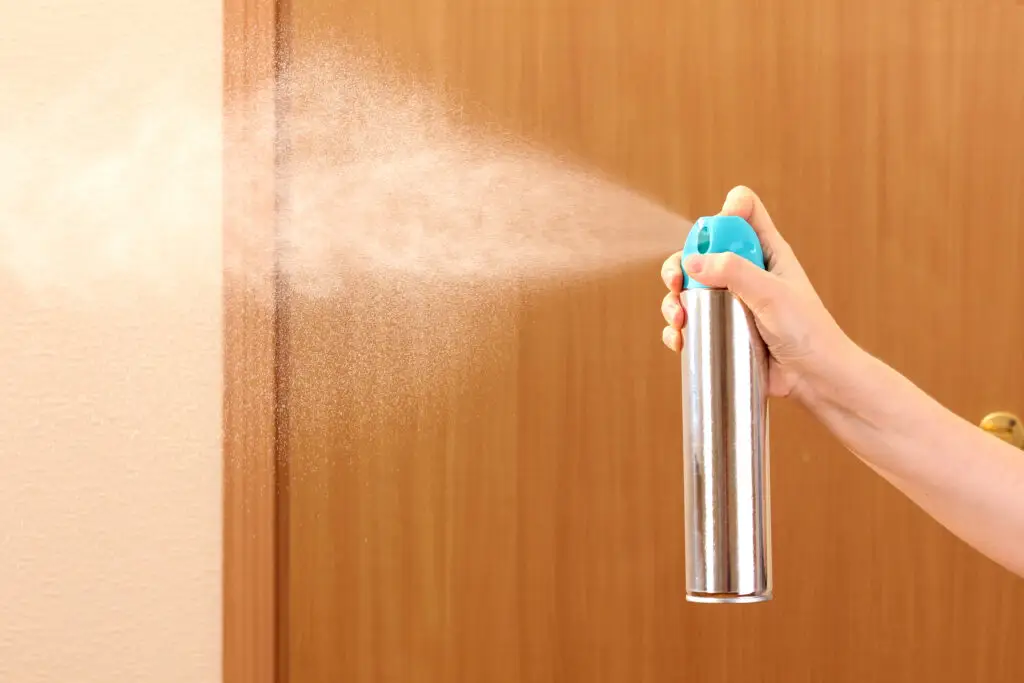
Those tiny, annoying gnats buzzing around your home can quickly become a major nuisance. While they might seem harmless, a gnat infestation can be a sign of underlying issues like excess moisture or decaying organic matter. The good news is that getting rid of them often doesn’t require harsh chemicals. With a few simple trapping methods and diligent cleaning practices, you can effectively eliminate gnats and prevent their return.
Common causes: Fruit, plants & damp areas
Understanding what attracts gnats is the first step to getting rid of them. These tiny pests are usually drawn to specific conditions in your home.
- Fruit Flies (Drosophila melanogaster): Often mistaken for gnats, fruit flies are attracted to ripe, fermenting, or decaying fruits and vegetables. They can lay eggs on the surface of produce, and even a small amount of overripe fruit left on a counter can lead to an infestation. They also love sugary spills and residues.
- Fungus Gnats (Bradysia spp.): These are the most common “gnats” found indoors. They thrive in moist soil and feed on fungi, decaying plant matter, and plant roots. Overwatering houseplants is a primary culprit, as consistently damp soil creates the perfect breeding ground for these pests. They can also be introduced with new plants.
- Drain Flies (Psychodidae): Also known as moth flies or sewer gnats, these small, dark flies breed in the slimy film that builds up inside drains, garbage disposals, and even leaky pipes. They feed on decaying organic matter in these damp environments.
- Damp Areas & Organic Matter: Beyond fruits and plants, gnats are generally attracted to any consistently damp areas where organic material is decomposing. This can include leaky plumbing, neglected trash cans, recycling bins, or even forgotten spills under appliances.
DIY traps: Apple cider vinegar cups, sticky sheets
Once you’ve identified the source, setting up simple DIY traps can effectively reduce the gnat population.
- Apple Cider Vinegar (ACV) Trap: This is a classic and highly effective method for fruit flies and fungus gnats.
- How it works: Gnats are irresistibly drawn to the fermenting smell of apple cider vinegar. The dish soap breaks the surface tension of the liquid, causing them to sink.
- Setup: Pour about an inch of apple cider vinegar into a small bowl or cup. Add 2-3 drops of liquid dish soap (any brand will do). You can optionally add a pinch of sugar to make it even more appealing. Cover the top tightly with plastic wrap and poke several small holes (about pencil-tip size) in the plastic. The gnats can get in but struggle to get out. Alternatively, you can leave it uncovered.
- Placement: Place these traps near fruit bowls, sinks, or potted plants where you see gnat activity. Change the solution every few days.
- Sticky Traps (Yellow Sticky Traps): These are particularly effective for catching adult fungus gnats.
- How it works: Fungus gnats are attracted to the color yellow. Once they land on the sticky surface, they get caught.
- Setup: Purchase yellow sticky traps online or at a garden supply store. These often come on stakes or can be cut into smaller pieces.
- Placement: For fungus gnats, insert the stakes directly into the soil of infested houseplants or hang small pieces near the plants. For general gnat control, hang them in areas where gnats are most active.
- Wine or Beer Trap: Similar to the ACV trap, the fermenting smell of old wine or beer can attract fruit flies.
- Setup: Leave a small amount of old wine or flat beer in a cup. You can add a few drops of dish soap.
- Placement: Place near the source of the infestation.
Cleaning practices to prevent recurrence
Trapping helps with existing gnats, but thorough cleaning and maintenance are essential to prevent them from coming back.
- Manage Produce:
- Store ripe fruits and vegetables in the refrigerator.
- Compost or discard overripe produce promptly.
- Rinse fruits and vegetables as soon as you bring them home to remove any gnat eggs.
- Address Overwatering Houseplants:
- Allow the top 1-2 inches of soil to dry out completely between waterings.
- Ensure pots have adequate drainage holes.
- Avoid leaving plants sitting in standing water in saucers.
- Consider repotting plants with fresh, sterile potting mix if the infestation is severe.
- Regular Trash Management:
- Empty kitchen trash cans daily, especially if they contain food scraps.
- Rinse out recycling bins regularly, particularly those holding beverage containers.
- Use trash bags that seal tightly.
- Wipe Down Surfaces:
- Clean kitchen counters, sinks, and dining tables regularly, wiping up any crumbs, spills, or sticky residues.
- Don’t forget to clean under appliances like refrigerators and stoves, where food debris can accumulate.
- Keep Food Sealed: Store dry goods, cereals, and pet food in airtight containers to prevent attracting pests.
Checking indoor drains & trash for infestations
Sometimes, the source of gnats isn’t obvious fruit or plants. Hidden breeding grounds are often found in damp, overlooked areas.
- Kitchen Drains and Garbage Disposals:
- Inspection: Shine a flashlight into your kitchen sink drain. You might see a slimy film or even tiny larvae.
- Cleaning: Pour a mixture of baking soda and white vinegar down the drain (about 1/2 cup of each). Let it fizz for 30 minutes to an hour, then flush with hot water. Repeat as needed.
- Regular Maintenance: Flush drains with hot water regularly, especially after using the garbage disposal. You can also use a drain brush to clean the sides of the pipes.
- Bathroom Drains:
- Check sink, shower, and tub drains for hair and soap scum buildup, which can create a breeding ground for drain flies.
- Use the baking soda and vinegar method, or a commercial drain cleaner designed to break down organic matter.
- Floor Drains: In basements, laundry rooms, or utility areas, ensure floor drains have water in their traps. If the water evaporates, sewer gases (and flies) can enter. Pour a cup of water down unused floor drains monthly.
- Under Sinks and Appliances:
- Check for any leaks or condensation under sinks, around dishwashers, or refrigerators. Even small, constant moisture can attract gnats.
- Clean out drip pans under refrigerators.
- Hidden Trash/Compost:
- Ensure no food scraps or organic waste have fallen behind or under trash cans, or into forgotten corners.
- If you have an indoor compost bin, ensure it’s sealed and managed correctly.
When Quality Cleaning Services can help rid hidden sources
While DIY methods are effective for common gnat problems, sometimes the infestation is persistent, widespread, or originates from hidden sources that are difficult for a homeowner to address. That’s where professional cleaning services can make a significant difference.
At Quality Cleaning Services, our trained professionals go beyond surface-level cleaning to identify and eliminate the underlying causes of gnat infestations. We offer:
- Deep Cleaning of Kitchens and Bathrooms: Our comprehensive cleaning includes meticulous attention to areas where gnats thrive, such as drains, garbage disposals, under-sink cabinets, and behind appliances. We use professional-grade, eco-friendly solutions to break down organic buildup and eliminate breeding sites.
- Thorough Trash and Recycling Area Sanitation: We ensure all waste areas are properly cleaned and sanitized, removing residues that attract pests.
- Identification of Hidden Moisture Sources: Our experienced team can often spot subtle leaks or damp areas that might be overlooked by homeowners, helping to address the root cause of the problem.
- Preventative Advice: Beyond cleaning, we can offer tailored advice on ongoing maintenance practices to keep your home gnat-free in the long term.
Don’t let gnats take over your home. If you’re struggling with a persistent infestation or simply want to ensure your home is as clean and pest-free as possible, we’re here to help.
Contact Quality Cleaning Services today for a free estimate and let us help you achieve a truly gnat-free and sparkling clean home!
