
We spend a lot of time cleaning our floors and counters, but the vertical surfaces in our homes—our walls, baseboards, and door trims—are often completely overlooked. Over time, these areas quietly collect a layer of fingerprints, pet marks, floating dust, and everyday scuffs. When ignored, this grime creates a subtle dinginess that makes even the tidiest room feel slightly unkempt.
Maintaining your walls and trim doesn’t require a weekend of heavy scrubbing. By learning how to care for these surfaces gently, you can keep your paint looking fresh, brighten your home’s interior, and eliminate the stressful, time-consuming deep cleans that happen when dirt is allowed to build up.
Why This Cleaning Task Matters
Walls and trim act as the frame for your home. When the frame is dirty, the whole picture suffers.
- A Brighter Space: Dust and grime absorb light. Wiping away this buildup instantly brightens a room, making your paint colors look as vibrant as the day they were applied.
- Protecting Your Paint: Dirt, oils from fingerprints, and dog drool can actually break down paint finishes over time if left untreated.
- The Power of Maintenance: Wiping a fresh smudge near a light switch takes five seconds. Trying to scrub off a year’s worth of hardened, oily fingerprints can permanently damage your paint, requiring an expensive repainting job. Small, consistent maintenance habits are always easier than heavy restoration.
Step-by-Step Cleaning Method
Dust Before You Wet
Never take a wet sponge to a dusty wall—you will just create a muddy streak that sets into the paint’s texture. Start by removing loose debris. Run your vacuum’s soft brush attachment along the baseboards and the ceiling line, or use a dry microfiber cloth to wipe down the walls and trim.
Prepare a Gentle Cleaning Solution
For most everyday dirt, plain warm water is your best friend. If you need a little more lifting power, create a mild solution by adding a single drop of grease-cutting dish soap to a bucket of warm water. Avoid heavy-duty degreasers or glass cleaners, which contain solvents that can strip your paint.
Always test your cleaning solution on an inconspicuous spot (like behind a piece of furniture) to ensure it won’t discolor the finish.
Apply the Right Pressure
The way you clean depends entirely on the finish:
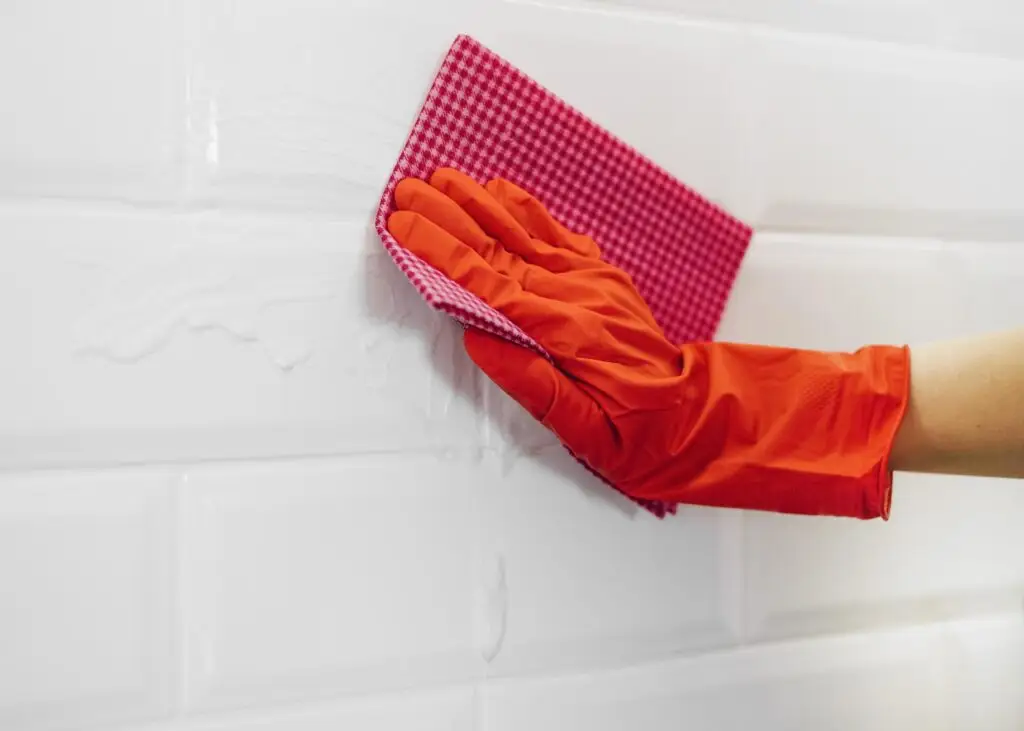
- Painted Walls (Matte/Flat): Be extremely gentle. Dip a soft sponge or microfiber cloth into your solution and wring it out until it is barely damp. Wipe in a light, circular motion. Never scrub flat paint aggressively.
- Trim and Baseboards (Semi-Gloss/Gloss): These finishes are much more durable. You can use slightly more pressure here to remove scuff marks from shoes or vacuum cleaners.
Dry Thoroughly
Once the dirt is removed, immediately follow up with a clean, dry microfiber cloth. Leaving moisture on walls can create water stains, and excess water on baseboards can warp the wood or loosen the caulk.
Recommended Tools
- Vacuum with a soft dust brush attachment
- Microfiber cloths (one damp, one dry)
- Mild dish soap
Weekly Cleaning Checklist
- Dust: Run a dry microfiber cloth or vacuum brush over baseboards and door frames.
- Spot Clean: Wipe down the areas directly around light switches, door handles, and hallway corners.
- Inspect: Check the lower walls for pet marks or shoe scuffs and address them quickly.
Safety Note: Always test products first. Avoid getting wall outlets or light switches wet. When cleaning near electrical components, spray your cloth away from the wall and ensure it is only slightly damp, never dripping.
Mistakes to Avoid
- Scrubbing Flat Paint: Matte or flat paint does not handle friction well. If you scrub it with a rough sponge or a melamine foam eraser, you will “burnish” the paint. This means you polish it into a shiny spot that will catch the light and look like a permanent stain.
- Using Too Much Water: Wringing out your sponge is critical. If water drips down the wall, it can leave streak marks in the paint. On baseboards, standing water can seep into the floor seams.
- Ignoring the “Hot Spots”: Don’t try to wash the entire wall every week. Focus your energy on the high-touch zones: around door frames, near light switches, and the bottom three feet of the wall where kids and pets leave their mark.
When Professional Cleaning Helps
Keeping up with baseboards and trim is a tedious task that requires a lot of bending and reaching. At Quality Cleaning Services, we know that these are the exact details that make a house feel truly immaculate.
During our deep cleaning and recurring maintenance visits, our team gives special attention to your baseboards, doors, and trim areas. We use the right tools and techniques to remove the buildup without compromising your home’s finishes. By letting us handle the meticulous detail work, your home stays brighter and fresher, and you get your weekends back.
Ready to see your home look flawlessly detailed from floor to ceiling?
Click here to get your custom quote from Quality Cleaning Services and discover the ease of a professionally maintained home!
FAQ
What is the best way to clean dirty walls?
The best approach is to dust the walls first, then spot-clean using a soft, barely damp microfiber cloth and a mixture of warm water with a single drop of mild dish soap. Always wipe with gentle, circular motions and dry the area immediately to prevent water streaks.
How do you remove dirt from trim without damaging paint?
Trim is usually painted with a semi-gloss or high-gloss paint, which is more durable than standard wall paint. Vacuum the dust off first, then use a damp cloth with a mild cleaner to wipe away scuffs. Avoid using highly abrasive scouring pads, as they can still scratch the glossy finish and dull the look of your trim.
Can professional cleaners clean walls and baseboards?
Yes! Baseboard and trim detailing is a common inclusion in professional deep cleaning services. The team at Quality Cleaning Services is trained to safely and effectively remove dust and grime from these architectural details, ensuring your home looks well-cared-for from top to bottom.
