
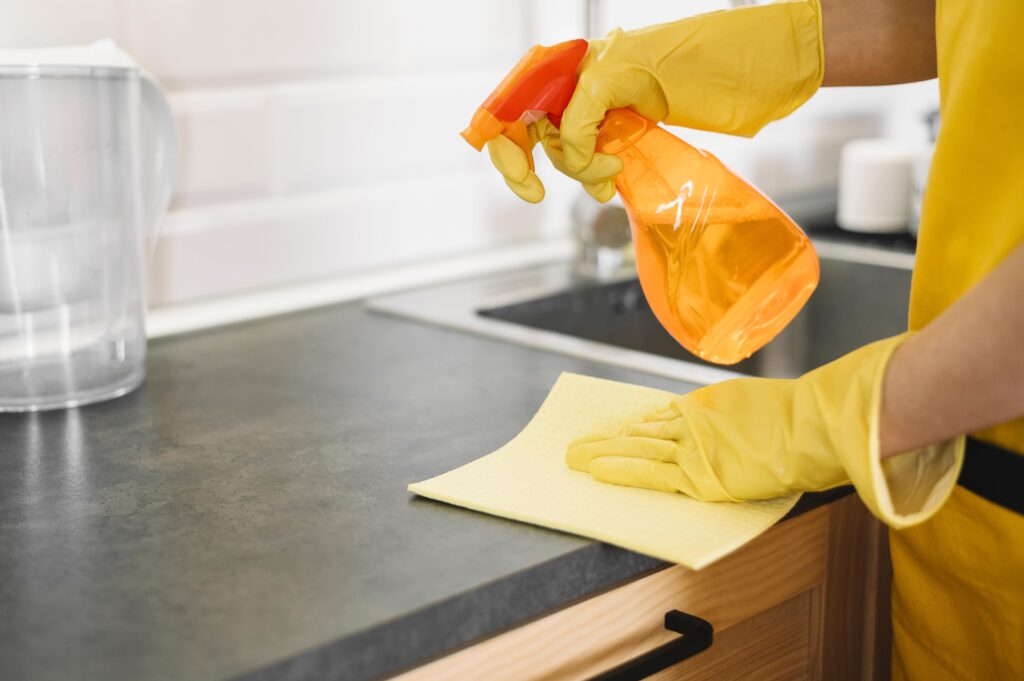
There are few things more frustrating in a kitchen than reaching for a cabinet handle or placing your hand on a countertop and feeling that tell-tale, tacky film. Sticky residue in the kitchen is rarely just “dirt”—it is usually a combination of airborne cooking oils, evaporated steam, and food splatters that have bonded to your surfaces.
When left unattended, this residue acts like a magnet for dust and pet hair, creating a cycle of grime that makes your kitchen feel perpetually unkempt. The good news? You don’t need industrial chemicals to restore your surfaces. By understanding the nature of the residue and using the right technique, you can eliminate the stickiness and prevent it from returning.
Why This Cleaning Task Matters
Sticky buildup is a “force multiplier” for mess. Because it is tacky, it traps airborne particulates, leading to a dull, gray haze on your appliances and cabinets.
- Surface Protection: If left too long, some types of residue can become acidic or trap moisture against your finishes, leading to permanent staining or pitting on stone and metal surfaces.
- The “Maintenance Mode” Advantage: Small, frequent maintenance habits are significantly more effective than “rescue” cleans. Removing a splatter while it’s fresh takes seconds; removing a hardened, yellowed grease spot can take significant effort and specialized products.
- A Healthier Environment: Sticky surfaces are harder to sanitize effectively. By removing the residue, you aren’t just improving aesthetics—you are ensuring your kitchen is genuinely clean and sanitary.
Step-by-Step Cleaning Method
Identify the Surface Type
Before you grab a cleaner, identify what you are dealing with. A method that works for laminate might scratch marble or damage a high-gloss painted cabinet.
- Stone (Granite/Marble): Stick to pH-neutral cleaners. Avoid vinegar or citrus-based acidic cleaners, which can etch the stone.
- Wood/Painted Cabinets: Use mild, oil-based wood soaps or a gentle dish-soap solution. Never use heavy degreasers that could strip the paint or finish.
- Stainless Steel: Use dedicated stainless steel cleaners or mild soap, always wiping with the grain.
Loosen the Residue
The most common mistake is trying to scrub dry residue. You need to soften it first.
- The Warm Compress Method: Dampen a microfiber cloth with warm water and a drop of grease-cutting dish soap. Place the cloth over the sticky spot for 30–60 seconds. This allows the heat and surfactant to break the bond between the grime and your surface.
Lift, Don’t Scrape
Once the residue is softened, use a soft microfiber cloth or a non-scratch nylon pad to gently wipe it away. If the residue is stubborn, use a plastic putty knife or a credit card to gently lift it—never use metal tools or steel wool, as these will permanently scratch your countertops or appliance finishes.
Rinse and Dry
This is where most people fail. Residual soap or cleaner left on a surface is itself sticky and will attract dust immediately. After lifting the residue, wipe the area with a fresh, clean cloth dampened only with water, then buff dry with a dry towel.
Safety Note: Always test cleaning products on an inconspicuous spot first to ensure no discoloration. Avoid excess moisture, especially near electrical outlets or on wood cabinet seams.
Mistakes to Avoid
- Overusing Harsh Solvents: Avoid heavy-duty oven cleaners or harsh abrasives on countertops. They can strip protective sealants, leaving your surfaces porous and prone to future staining.
- Scraping with Metal: Never use knives or metal scrapers to remove gunk from cooktops or counters. Even if you don’t see a scratch initially, you are likely creating micro-abrasions that will trap more grease later.
- Leaving it Partially Clean: If you wipe a surface and it still feels tacky, you haven’t finished the job. A partially clean surface is effectively a “dust magnet.”
When Professional Cleaning Helps
Preventing the “sticky zone” is exactly what recurring cleaning is for. Quality Cleaning Services incorporates grease-cutting, detail-oriented techniques into every visit. We focus on the high-touch areas—cabinet pulls, appliance fronts, and backsplash corners—that are most prone to residue buildup.
By maintaining a consistent cleaning schedule, we prevent that initial layer of cooking film from ever hardening into a long-term problem. This keeps your kitchen looking and feeling professional, without you having to spend your spare time hunting down spots.
Ready to enjoy a kitchen that feels truly clean to the touch? Click here to get your custom quote from Quality Cleaning Services and let us handle your recurring maintenance!
FAQ
What removes sticky residue from kitchen surfaces?
For most kitchen surfaces, a mixture of warm water and a high-quality, grease-cutting dish soap is the safest and most effective solution. The heat helps soften the bond, while the soap breaks down the grease.
Can vinegar damage kitchen countertops?
Yes. Vinegar is acidic and can permanently etch or dull natural stone countertops, such as marble, granite, or limestone. Always stick to pH-neutral cleaners for stone surfaces to protect their polish and integrity.
When should sticky buildup be handled by a professional cleaner?
If you find yourself using abrasive chemicals or scrubbing excessively to remove residue, it’s time to call in a professional. Excessive scrubbing often damages the underlying surface finish, and a professional cleaner can safely restore these areas while preventing the buildup from recurring.
