
Clean air inside a home affects comfort, focus, and overall well-being. Many homeowners focus only on visible dirt. However, the biggest air problems usually come from microscopic particles. Because of this, consistent air-focused home cleaning helps protect the air people breathe daily.
Modern homes stay sealed longer due to air conditioning and heating. As a result, particles circulate repeatedly instead of leaving the home. Therefore, indoor air quality cleaning supports fresher indoor environments and more comfortable living spaces.
Why Indoor Air Quality Matters in Everyday Living
Indoor environments collect contaminants from daily activities. Cooking, walking across floors, and using fabric furniture release microscopic debris. Because of this, indoor air quality cleaning helps control particle buildup over time.
Outdoor contaminants also enter homes easily. Pollen, pollution, and dirt attach to shoes, clothing, and pets. Once inside, these particles settle into carpets, upholstery, and air systems. Therefore, this type of cleaning helps reduce contamination spread before it becomes harder to manage.
Common indoor particle sources include:
- Fabric fibers and skin particles
- Outdoor allergens
- Pet dander and hair
- Cooking residue and smoke particles
- Moisture-related contamination
When air-focused maintenance becomes part of routine home care, airborne contamination becomes easier to control.
Dust Control and Cleaner Air Circulation
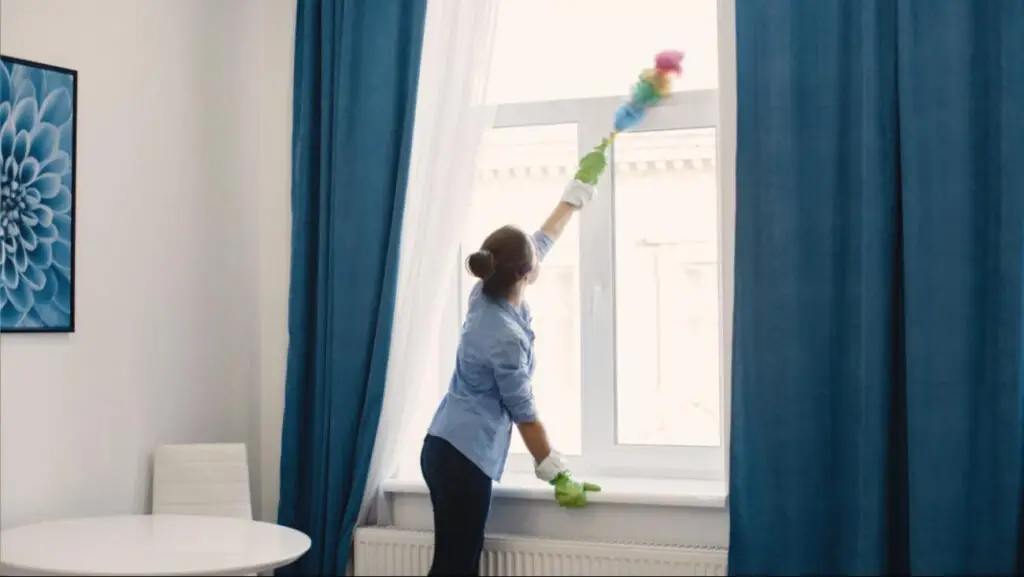
Dust plays a major role in air contamination. It contains fibers, pollen, and debris that move easily through airflow. Because of this, indoor air quality cleaning must focus on dust removal strategies.
Dust moves constantly. Opening doors, walking across floors, and running fans push particles into the air again. Therefore, air-quality-focused cleaning must be consistent rather than occasional.
Effective dust control methods include:
- Using microfiber cloths instead of dry dusting
- Vacuuming with sealed filtration systems
- Cleaning vents and ceiling fans regularly
- Damp wiping surfaces
Additionally, dust removal protects electronics and furniture surfaces. Therefore, indoor air quality cleaning supports both home maintenance and breathing comfort.
Allergen Removal and Indoor Comfort
Allergen removal is another important part of indoor air quality cleaning. Many allergens are invisible but still affect health and comfort. Because of this, deep particle removal is essential.
Common indoor allergens include dust mites, pet dander, mold spores, and pollen. Deep cleaning helps reduce allergen storage areas inside fabrics and surfaces.
This process is especially helpful for:
- Children
- Seniors
- People with respiratory sensitivities
- Seasonal allergy sufferers
Because indoor air quality cleaning reduces airborne triggers, homes feel fresher and more comfortable.
Recurring Cleaning and Long-Term Air Stability
Consistency is more effective than occasional deep cleaning. While deep cleaning removes heavy buildup, recurring indoor air quality cleaning prevents contamination layers from forming.
When cleaning is delayed, particles settle deeper into surfaces. Therefore, regular maintenance helps maintain manageable contamination levels.
Benefits of recurring routines include:
- More stable air freshness
- Less dust circulation
- Reduced fabric odor absorption
- Easier seasonal transitions
Structured cleaning supports long-term home freshness when performed consistently.
Kitchen Cleaning and Airborne Residue Control
Kitchens release airborne particles daily. Cooking oils and heat create microscopic residue that spreads through the home. Because of this, indoor air quality cleaning must include kitchen surface maintenance.
Grease particles attach to surfaces and trap dust. Over time, this affects indoor air freshness. Therefore, cleaning routines should target high-use kitchen areas.
Important kitchen focus zones include:
- Range hood filters
- Cabinet surfaces
- Backsplash areas
- Appliance handles
- Trash and recycling storage
When maintenance includes kitchen degreasing, air freshness improves more quickly.
Bathroom Cleaning and Moisture Control
Bathrooms affect indoor air due to humidity. Moisture allows particles to attach to surfaces and supports mold growth. Therefore, indoor air quality cleaning must include humidity-related cleaning.
Important bathroom maintenance tasks include mold prevention cleaning, exhaust fan dust removal, grout sanitation, and shower surface cleaning. Because bathrooms generate daily moisture, regular cleaning helps prevent particle buildup.
Floors and Fabrics as Particle Storage Zones
Floors and fabrics store large amounts of contamination. Therefore, indoor air quality cleaning must include deep surface care.
Carpets trap dust layers. Upholstery stores allergens. Curtains capture outdoor particles. Because of this, fabric maintenance is essential for cleaner air.
Recommended routines include:
- Weekly vacuuming with filtration systems
- Seasonal upholstery cleaning
- Curtain washing or steam cleaning
- Entry mat maintenance
Consistent fabric care significantly improves indoor air conditions.
HVAC Maintenance and Air Quality Support
Cleaning surfaces alone is not enough if airflow systems remain dirty. Therefore, indoor air quality cleaning should work alongside HVAC maintenance.
Important airflow support includes replacing filters regularly, cleaning vents and returns, and inspecting ducts when needed. When indoor air quality cleaning supports airflow hygiene, air circulation becomes more efficient.
Eco-Conscious Products and Air Protection
Eco-conscious cleaning products help support indoor air quality cleaning by reducing chemical residue. Some traditional products release airborne compounds that remain inside homes.
Benefits of eco-conscious options include lower chemical exposure, safer environments for pets and children, and reduced residue buildup. Balanced cleaning routines combine effective performance with safer product choices.
Daily Habits That Protect Indoor Air
Professional cleaning supports deep maintenance. However, daily habits help maintain results. Therefore, indoor air quality cleaning works best when supported by homeowner routines.
Helpful habits include removing shoes indoors, using entry mats, grooming pets regularly, running ventilation fans, and opening windows when outdoor air is clean. Because daily habits influence particle movement, long-term air quality improves.
Seasonal Changes and Air Quality Needs
Each season changes indoor contamination patterns. Therefore, indoor air quality cleaning should adapt throughout the year.
Winter often increases dust buildup due to closed airflow. Spring increases pollen exposure. Summer increases humidity and mold risk. Fall introduces outdoor debris into homes. Seasonal maintenance helps maintain comfort through weather transitions.
Professional Cleaning and Deep Contamination Removal
Daily cleaning supports surface maintenance. However, professional indoor air quality cleaning reaches deeper contamination layers.
Professional services often include high-filtration vacuum systems, deep carpet extraction, professional allergen removal, and high-level dust removal. Combining professional and routine maintenance creates stronger long-term results.
Lifestyle Benefits of Cleaner Indoor Air
Cleaner air improves comfort, focus, and home freshness. Therefore, indoor air quality cleaning supports overall home wellness.
Homes with strong maintenance often experience less dust buildup, reduced odor retention, improved sleep comfort, and better work-from-home productivity. Because air quality affects daily comfort, maintaining cleaner indoor environments supports better living conditions.
Clean Air Supports Better Living
Indoor air quality depends on consistent home maintenance. Therefore, indoor air quality cleaning should be part of regular home care routines.
When homes maintain structured cleaning habits, contamination stays controlled. Air circulation improves. Living spaces feel fresher and healthier. As a result, maintaining cleaner indoor air supports long-term home comfort and daily well-being.
