
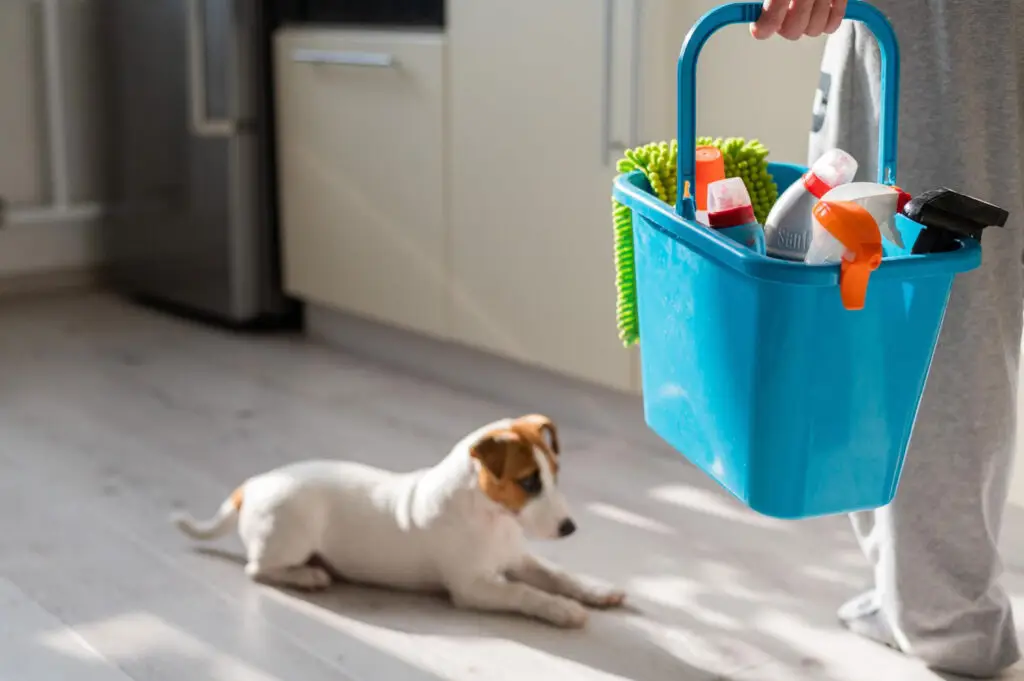
Sharing your home with a furry companion is one of life’s greatest joys, bringing unconditional love and vibrant energy into your living space. However, for homeowners who value a pristine environment and high standards of hygiene, the presence of pets can present a unique set of challenges ranging from persistent dander to the inevitable muddy paw prints. Balancing the stewardship of your property with the needs of your four-legged family members requires a strategic approach that goes beyond basic tidying. It demands a commitment to pet friendly house cleaning that prioritizes the health of your pets while maintaining the “white-glove” level of cleanliness you desire.
Implementing a cleaning regimen that accommodates pets does not mean you must lower your standards or sacrifice the aesthetic appeal of your home. On the contrary, it involves selecting the right tools, understanding the chemistry of safe cleaning agents, and establishing a consistent routine that prevents messes from accumulating. Whether you are managing a bustling household with active dogs or a serene space with an indoor cat, the goal is to create a harmonious environment where luxury living and pet ownership coexist seamlessly. By mastering the art of pet friendly house cleaning, you ensure that your home remains a sanctuary for both your family and your beloved animals.
The Philosophy Behind Pet Friendly House Cleaning
When we discuss maintaining a luxury property, we often talk about preservation and care, and this extends to how we clean around our pets. Standard cleaning methods often rely on harsh chemicals that can be detrimental to animals who spend their time close to the floor. True pet friendly house cleaning is fundamentally about choosing non-toxic, effective solutions that neutralize dirt and bacteria without introducing harmful volatile organic compounds (VOCs) into the air. This approach protects the respiratory systems of your pets, which are often more sensitive than humans, and prevents skin irritations caused by residue on carpets and upholstery.
Furthermore, this philosophy encompasses the protection of your assets, such as hardwood floors, high-end rugs, and custom furniture. Pets can inadvertently cause wear and tear through scratching, shedding, and accidents. Therefore, a robust cleaning strategy must include preventative measures and specialized maintenance techniques designed to extend the lifespan of your interior finishes. It is about being proactive rather than reactive, ensuring that the presence of a pet enhances the home rather than detracting from its value.
Identifying Hidden Dangers in Common Cleaning Products
Many homeowners are surprised to learn that the cleaning products under their sink may pose significant risks to their pets. Animals groom themselves with their tongues and absorb chemicals through their paw pads, making them highly susceptible to toxins found in floor cleaners and surface sprays. To achieve effective pet friendly house cleaning, one must be vigilant about reading labels and understanding ingredients. Resources like the ASPCA Animal Poison Control Center provide excellent lists of substances to avoid.
- Ammonia: Often found in glass cleaners and oven cleaners, ammonia is a respiratory irritant. It can also mimic the scent of urine, which may confusingly encourage pets to mark the same spot again.
- Bleach: While a powerful disinfectant, chlorine bleach can cause severe vomiting and esophageal damage if ingested. The fumes alone can be irritating to a pet’s nose and throat.
- Phthalates: Frequently used in air fresheners to extend the life of the fragrance. These are known endocrine disruptors that can affect the hormonal balance of animals.
- Formaldehyde: Sometimes found in general household cleaners and even some shampoos. It is a known carcinogen and should be strictly avoided in any pet-friendly home.
- Glycol Ethers: Common in carpet cleaners and spot removers. These have been linked to lung damage and anemia in pets.
Switching to plant-based, enzymatic, or certified pet-safe products is the first step in safeguarding your home. These alternatives utilize natural chemistry to break down soils and odors effectively without leaving behind a toxic residue, which is a cornerstone of safe pet friendly house cleaning.
Mastering the Battle Against Fur and Dander
One of the most persistent aspects of living with pets is the management of shedding. Fur and dander are not merely aesthetic nuisances; they are allergens that can impact the air quality of your home. In a coastal environment or humid climate, dander can stick to surfaces more stubbornly due to moisture in the air. Effective pet friendly house cleaning requires a multi-faceted approach to capture these particles before they settle deep into fabrics.
High-Efficiency Vacuuming Techniques
Invest in a vacuum cleaner equipped with a HEPA (High-Efficiency Particulate Air) filter. Standard vacuums often recirculate microscopic dander particles back into the air, defeating the purpose of cleaning. A HEPA filter traps 99.97% of particles, ensuring that the air leaving the machine is cleaner than the air entering it. According to the EPA Indoor Air Quality Guide, controlling source pollutants like dander is vital for a healthy home.
- Frequency Matters: High-traffic areas should be vacuumed daily, while less frequented rooms can be addressed weekly. Consistent removal of hair prevents it from weaving into rug fibers.
- Upholstery Attachments: Do not neglect sofas, curtains, and baseboards. Use specialized attachments to remove hair from crevices where it tends to accumulate.
- Slow and Steady: Move the vacuum slowly over carpets to allow the suction and brush roll enough time to agitate and lift embedded hair. Multiple passes in different directions are often necessary for a thorough clean.
The Role of Grooming in Home Maintenance
Surprisingly, one of the most effective pet friendly house cleaning tips involves cleaning the pet, not the house. Regular grooming significantly reduces the amount of loose fur and dander that ends up on your floors. Brushing your pet outdoors helps keep the mess outside. Additionally, keeping nails trimmed protects hardwood floors from scratches and reduces the amount of dirt trapped in paw pads.
Strategic Floor Care for Pet Owners
Flooring takes the brunt of the impact in a pet-owning household. From muddy paws after a rainy day to the occasional accident, your floors require specific attention to remain pristine. Different flooring materials demand different care strategies to ensure they are sanitized without being damaged.
Hardwood and Tile Maintenance
For hard surfaces, the key is to avoid standing water and harsh abrasives. Use a microfiber mop dampened with a pH-neutral, pet-safe cleaner. Microfiber is excellent for trapping dust and hair rather than pushing it around. If you live in an area where sand and salt are tracked in, it is crucial to sweep or vacuum frequently to prevent these abrasive particles from scratching the finish of your wood floors under your pet’s paws. Proper pet friendly house cleaning for hardwoods preserves the sealant and keeps the wood looking rich and new.
Carpet and Rug Care
Carpets act as a filter, trapping dust, hair, and allergens. While this keeps particles out of the breathing zone temporarily, they must be removed regularly to maintain hygiene. Deep cleaning your carpets every 6 to 12 months is recommended. When performing pet friendly house cleaning on carpets, avoid shampoos with heavy fragrances or toxic residues. Opt for steam cleaning or hot water extraction, which uses heat to sanitize and kill dust mites without heavy chemical reliance.
Handling Accidents with Grace and Efficiency
Even the best-trained pets can have accidents. Whether it is due to illness, age, or a change in routine, how you handle these incidents determines the long-term cleanliness of your home. Speed is of the essence. The longer biological matter sits on a surface, the more likely it is to stain and leave a lingering odor.
The Power of Enzymatic Cleaners
Traditional cleaners often just mask odors with perfume. However, pets have a keen sense of smell and can detect the underlying biological markers, prompting them to soil the area again. Enzymatic cleaners are the cornerstone of pet friendly house cleaning for accidents. These bio-active cleaners contain bacteria and enzymes that literally eat the organic matter—urine, feces, vomit—breaking it down into odorless carbon dioxide and water.
- Blot, Don’t Rub: Use a clean, white cloth to blot up as much liquid as possible. Rubbing can push the waste deeper into the fibers.
- Saturate the Area: Apply the enzymatic cleaner generously. It needs to reach as deep as the accident did, including the carpet pad.
- Let it Sit: Enzymes need time to work. Follow the bottle instructions, which usually recommend leaving the solution for 10-15 minutes or covering it with a damp cloth for several hours.
- Air Dry: Allow the area to dry naturally. Once dry, vacuum thoroughly to remove any residue.
Managing Odors Without Artificial Fragrances
A truly clean home should smell neutral and fresh, not like a bouquet of artificial flowers masking a wet dog smell. Many commercial air fresheners contain phthalates and VOCs that contribute to indoor air pollution. Pet friendly house cleaning focuses on odor neutralization and ventilation rather than masking.
Natural Deodorizing Solutions
- Baking Soda: This is a classic for a reason. Sprinkle baking soda on carpets and upholstery, let it sit for 15-30 minutes to absorb odors, and then vacuum it up.
- Activated Charcoal: Place bags of activated charcoal in inconspicuous areas near litter boxes or pet beds. Charcoal naturally absorbs moisture and odors from the air.
- Ventilation: Open windows regularly to exchange stale indoor air with fresh outdoor air. This is the most effective way to reduce the concentration of indoor pollutants.
- Wash Pet Bedding: Often, the source of the “pet smell” is the pet’s bed. Wash bedding weekly using a hypoallergenic, fragrance-free detergent.
Seasonal Considerations for Pet Owners
The challenges of keeping a clean home change with the seasons. A comprehensive pet friendly house cleaning plan adapts to these shifts to ensure your home remains immaculate year-round.
Spring and Summer
This is typically shedding season for many breeds. Increase your vacuuming frequency and consider professional grooming to help your pet shed their winter coat. If you are in a coastal location, summer also means sand and water. Establish a “de-sanding” station at the entryway with heavy-duty mats and towels to wipe paws before they enter the main living areas. This prevents the abrasive sand from damaging your floors.
Fall and Winter
Mud and moisture become the primary enemies. Keep a spray bottle of water and a towel near the door to rinse muddy paws immediately. Winter is also when homes are closed up, reducing ventilation. This makes it even more critical to use non-toxic cleaning products, as fumes cannot escape easily. Pay extra attention to changing HVAC filters to keep the air circulating efficiently.
When to Call the Professionals
While daily maintenance is essential, there are times when professional intervention is necessary to reset the cleanliness baseline of your home. Professional cleaning services that specialize in pet friendly house cleaning understand the nuances of high-end property care. They have access to industrial-grade HEPA vacuums, steam cleaners, and eco-friendly products that are more effective than consumer-grade options.
Hiring a service that values discretion and reliability—like a white-glove service—ensures that your home is treated with respect. They can perform deep cleans that address baseboards, light fixtures, and upholstery where dander accumulates over time. Furthermore, for vacation rental owners or those with second homes, a professional service ensures that the property is pristine and allergen-free for incoming guests who may not be pet owners themselves.
Creating a Safe Zone During Cleaning
When professionals are in your home, or even when you are doing a deep clean yourself, it is important to secure your pets. Loud noises from vacuums and the presence of strangers can be stressful for animals. Place them in a quiet, comfortable room with their water and toys, or arrange for them to be out of the house during the cleaning process. This ensures the safety of the cleaning team and prevents your pet from accidentally encountering wet floors or open doors.
Conclusion
Maintaining a spotless, luxurious home while enjoying the company of pets is not an impossible contradiction; it is a manageable lifestyle choice that requires the right knowledge and tools. By adopting a pet friendly house cleaning routine, you are making a conscious decision to prioritize the well-being of your entire household. From selecting non-toxic products that protect your pet’s health to employing advanced cleaning techniques that preserve your property’s value, every step you take contributes to a cleaner, safer, and more inviting environment. Ultimately, a clean home is the foundation of a happy life with your pets, allowing you to focus less on the mess and more on the cherished moments you share with your furry friends.
