
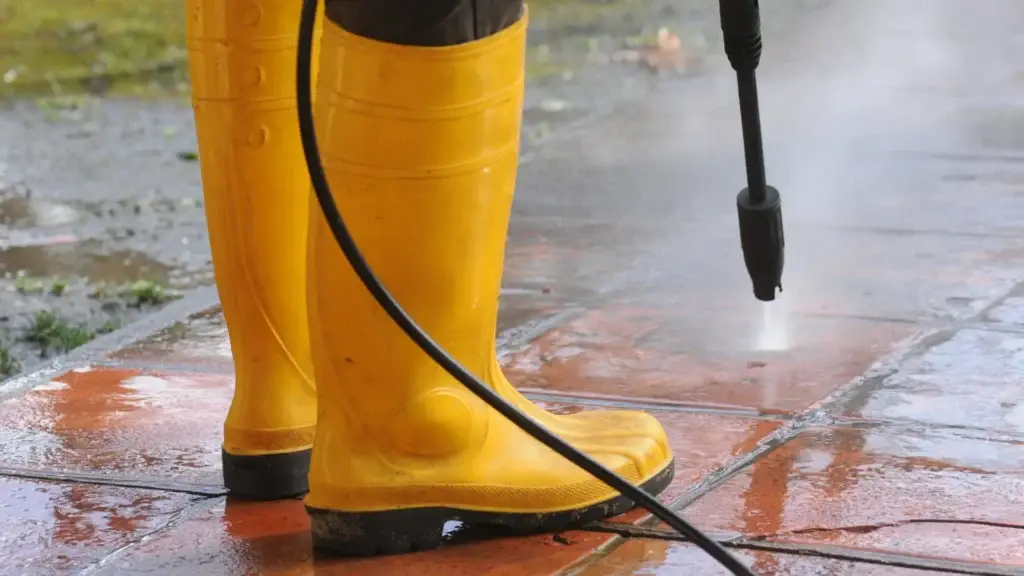
Salt air, humidity, and shaded tree cover make algae, mildew, and grime build up fast on homes near the water. When it is time to clean siding, decks, or a roof, the power washing vs soft washing question matters more than most homeowners realize. Picking the wrong method can damage the very surface it was meant to clean.
Both methods remove dirt and organic growth, but they work in very different ways, and one is not simply a gentler version of the other.
The short answer: power washing uses high-pressure water alone and works well on tough, durable surfaces like concrete and pavers. Soft washing uses low pressure combined with a cleaning solution, making it the safer choice for siding, roofs, and most painted or delicate surfaces.
Power washing vs soft washing: what separates the two methods
Power washing relies on high water pressure, often well above 3,000 PSI, to physically blast away dirt, grime, and buildup. It works fast and can be effective on hard, non-porous surfaces that can handle the force.
Soft washing relies on a different mechanism entirely. Instead of pressure doing the work, a cleaning solution, typically a mix of water and a mild biocide, breaks down algae, mold, and mildew at the surface level. A low-pressure rinse then washes away the loosened grime. The chemical does the cleaning, not the water pressure.
This distinction is the core of the pressure washing vs soft washing debate: one method removes buildup through force, the other through chemistry.
Where power washing makes sense
Power washing remains the right tool for certain surfaces, particularly ones that are durable and unlikely to be damaged by high pressure.
Good candidates for power washing include:
- Concrete driveways and walkways
- Brick or stone patios
- Garage floors
- Sealed pavers
These surfaces can typically handle the force without the risk of stripping a finish or forcing water where it should not go.
Where soft washing is the safer choice
Soft washing is generally the better option anywhere high pressure risks doing more harm than good.
- Roof shingles: high pressure can strip protective granules and shorten a roof’s lifespan significantly
- Vinyl, wood, or fiber-cement siding: pressure can force water behind panels, leading to hidden moisture problems
- Painted surfaces: aggressive pressure can peel or chip paint
- Stucco: pressure washing can crack or erode stucco over time
- Window screens and delicate trim: these are easily damaged by direct high-pressure contact
Power washing siding safely usually means avoiding high pressure altogether and choosing a soft wash approach instead, especially on older homes where siding may already be more brittle.
Soft washing coastal homes MA and why it matters here
Soft washing coastal homes MA properties near Nantucket Sound or along the Cape benefit from this gentler method for a specific reason. Salt air accelerates algae and mildew growth, but it also tends to make exterior materials, including paint and certain sidings, more prone to damage from aggressive cleaning. A soft wash approach cleans effectively without adding stress to surfaces already dealing with constant salt exposure.
Roofing manufacturers reinforce this point directly. Guidance published in GAF’s technical document library generally cautions against high-pressure washing on shingle roofs, since it can damage the surface and affect manufacturer warranties, and instead points toward gentler, low-pressure cleaning methods.
Best exterior washing method Cape Cod homes should use by surface
Choosing the best exterior washing method Cape Cod properties need usually comes down to matching the method to the material, not picking one approach for the whole house.
- Siding: soft wash, to avoid forcing moisture behind panels
- Roof: soft wash, to protect shingles and preserve warranty coverage
- Driveways and walkways: power wash, since concrete and pavers handle pressure well
- Decks: depends on the material; sealed composite decking often tolerates moderate pressure, while older wood decking usually does better with a soft wash and gentler brushing
- Windows and screens: soft wash or hand cleaning, since screens tear easily under pressure
Soft wash house cleaning Nantucket properties often combine with other services
Soft wash house cleaning Nantucket homeowners request often gets scheduled alongside other seasonal exterior work, like window washing or gutter cleaning, since the equipment and access points overlap. Bundling these tasks into one visit tends to be more efficient than scheduling separate appointments for each.
A residential cleaning team that offers both power washing and soft washing can recommend the right method per surface during a single walkthrough, rather than defaulting to whichever equipment happens to be on the truck that day.
Common mistakes homeowners make choosing a washing method
A few mistakes come up often when homeowners try to handle this themselves or hire based on price alone.
- Assuming higher pressure always means a more thorough clean
- Power washing a roof, which can void manufacturer warranties and shorten its lifespan
- Skipping a test patch before treating an entire siding surface
- Using bleach-heavy solutions on landscaping without protecting nearby plants
- Choosing a provider based on price without asking which method they plan to use on each surface
Signs the wrong method was used last time
A few signs suggest a property was cleaned with the wrong approach in the past.
- Streaking or uneven color on siding after a previous cleaning
- Missing granules or bald patches on roof shingles
- Paint that has started peeling or bubbling near previously cleaned areas
- Water stains appearing inside near exterior walls shortly after a pressure wash
If any of these show up, it is worth asking a new provider to evaluate the surface before assuming the same method should be repeated.
Exterior cleaning method comparison at a glance
An exterior cleaning method comparison ultimately comes down to one question: can this surface tolerate force, or does it need chemistry to do the work instead? Durable, non-porous materials lean toward power washing. Anything painted, layered, or installed with seams, like siding and roofing, leans toward soft washing.
How often coastal homes need exterior washing
Frequency depends heavily on exposure. Homes shaded by trees or sitting close to the water tend to need attention more often than homes in open, sunny spots with less humidity.
- Roofs: soft washed every one to two years, or sooner if streaking appears
- Siding: soft washed annually in most coastal areas, more often on heavily shaded sides of a home
- Driveways and walkways: power washed once or twice a year, depending on traffic and tree cover
- Decks: cleaned at least once a season, with method chosen based on material
Homes closer to the water, including much of Nantucket and the immediate coastline of Cape Cod, often need exterior cleaning slightly more often than inland properties because of constant salt and moisture exposure.
What to ask a provider before booking
A short conversation before booking avoids surprises and protects the property.
- Which method will be used on each surface, not just the house as a whole
- What pressure setting and chemical solution they plan to use, if any
- How they protect landscaping, windows, and outdoor fixtures during the process
- Whether they carry insurance in case of accidental damage
- How they handle runoff, particularly near gardens, ponds, or shared green spaces
A provider who answers these questions clearly and specifically, rather than giving a generic answer, is usually one with real experience matching method to surface. Learning more about a team’s background and training before booking is a reasonable step for any exterior job involving chemicals and equipment around a home.
Protecting landscaping and runoff during exterior cleaning
Both power washing and soft washing involve runoff that can affect nearby plants, lawns, and shared landscaping, especially in tightly spaced neighborhoods or near ponds and wetlands common on Cape Cod and the islands.
A responsible approach typically includes:
- Pre-wetting nearby plants and grass before applying any cleaning solution
- Rinsing landscaping thoroughly after the job is done
- Using biodegradable cleaning solutions where possible
- Covering or temporarily relocating delicate plants directly beneath the work area
This matters as much for soft washing as for power washing, since the chemical solution used in soft washing, not just the water pressure, can affect plants if it is not rinsed properly afterward.
Why method matters as much as frequency
Cleaning a surface with the wrong method on a regular schedule can do more cumulative damage than cleaning it less often with the right one. A roof soft washed every two years will likely outlast one power washed annually, simply because pressure gradually wears down the protective granules that keep shingles functional. The same logic applies across siding, decks, and painted surfaces: consistency only helps when the method itself is appropriate for the material.
Frequently asked questions
Is soft washing as effective as power washing?
Yes, for the surfaces it is designed for. Soft washing removes algae, mold, and mildew at the root, which often produces longer-lasting results than power washing alone, since pressure can remove visible grime without addressing the organic growth underneath.
Does power washing damage siding?
It can, particularly on vinyl or wood siding, where high pressure may force water behind panels or strip away protective coatings. Soft washing is generally the safer choice for siding.
How often should a coastal home be soft washed?
Most coastal homes benefit from soft washing once or twice a year, depending on how much shade, humidity, and salt exposure the property gets.
Can I power wash my own deck?
It depends on the material. Composite decking generally tolerates moderate pressure, while older or weathered wood decking is more likely to splinter or strip under high pressure. When in doubt, soft washing with a gentle brush is the safer route.
Will soft washing remove stains that power washing could not?
Often, yes. Since soft washing targets the biological growth causing many stains, it can remove discoloration that pressure alone only spreads around without fully lifting.
Can power washing and soft washing be used on the same project?
Yes, and on most homes they should be. A typical exterior cleaning visit might soft wash the roof and siding while power washing the driveway and walkways, matching each method to what that specific surface can safely handle.
Deciding between power washing vs soft washing comes down to matching the method to the surface, not picking whichever sounds more powerful. A short walkthrough with a residential cleaning team familiar with coastal homes is the simplest way to get it right the first time.
