
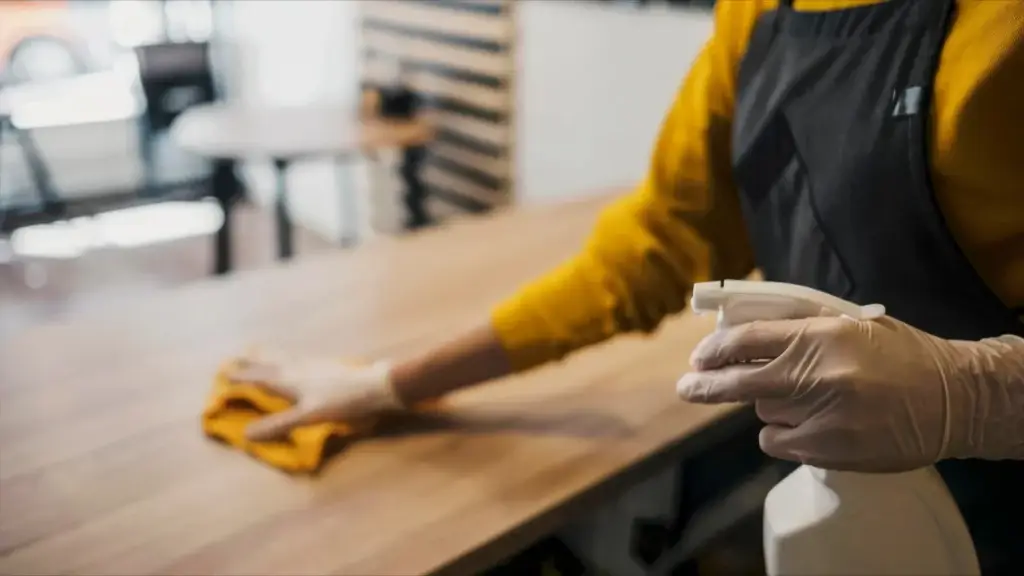
A retail store cleaning checklist helps owners, managers, and staff keep the shopping environment clean, organized, and ready for customers. In retail, cleanliness affects first impressions, comfort, safety, product presentation, and the way people feel while browsing.
A clean store does not happen by accident. Floors, entrances, shelves, checkout areas, fitting rooms, restrooms, glass, storage areas, and high touch surfaces all need regular attention. A clear retail store cleaning checklist helps the team know what to clean, when to clean it, and which areas matter most during busy business days.
What should a retail store cleaning checklist include?
A retail store cleaning checklist should include entrances, floors, checkout counters, product displays, shelves, fitting rooms, restrooms, trash areas, windows, glass, employee spaces, storage areas, and high touch surfaces. It should also define daily, weekly, and monthly cleaning tasks.
The basic checklist should cover:
- Entrance mats, doors, handles, and glass
- Checkout counters, card terminals, and customer touchpoints
- Floors, rugs, corners, and walkways
- Product displays, shelves, and fixtures
- Restrooms and handwashing areas
- Fitting rooms, mirrors, hooks, and benches
- Trash, recycling, and back room areas
- Windows, storefront glass, and display cases
- Employee break areas and storage spaces
- Final walkthrough before opening and after closing
A strong retail store cleaning checklist helps prevent missed areas and keeps the store easier to maintain during regular operations.
Why retail stores need a specific cleaning checklist
Retail stores need a specific cleaning checklist because customers interact with the space all day. They touch products, walk through aisles, use fitting rooms, wait at checkout, open doors, and notice details quickly.
Every visible area supports the customer experience. Dirty floors can make a store feel neglected. Dusty shelves can make merchandise look old. Smudged glass can weaken product presentation. Unclean restrooms can damage trust.
Retail spaces also change throughout the day. Morning traffic may bring in dirt. Afternoon customers may leave fingerprints on displays. Evening restocking may create packaging waste. A checklist helps the team keep up with these changes.
For broader business cleaning needs, commercial cleaning services can support customer facing spaces, employee areas, and high traffic zones. This article, however, is focused on the checklist itself, not on replacing a service page.
Start with the entrance and first impression areas
The entrance is one of the most important parts of a retail store cleaning checklist. Customers form an opinion before they reach the first display.
A clean entrance should feel clear, safe, and welcoming.
Check these areas daily:
- Exterior door handles
- Interior door handles
- Entry glass
- Thresholds
- Mats
- Floors near the entrance
- Signage
- Shopping baskets or carts
- Product displays near the door
- Trash near the entry
Entrance mats should be checked often because they collect dirt, moisture, leaves, dust, and debris. If mats are overloaded, dirt spreads across the store.
Signs the entrance needs more attention
The entrance may need more frequent cleaning if floors look gritty, mats stay damp, glass has visible fingerprints, customers track dirt into aisles, or debris collects near the door.
These signs usually mean the store needs a stronger opening and closing routine. In high traffic periods, the entrance may also need quick checks during the day.
Keep floors safe and presentable
Floors are central to any retail store cleaning checklist. They affect appearance, safety, and customer movement.
Retail floors collect dirt from shoes, spills, packaging scraps, dust, and product debris. The cleaning method depends on the floor type, but the goal is always the same: clean, dry, safe, and easy to walk on.
Daily floor tasks may include:
- Sweeping entryways
- Vacuuming rugs
- Spot cleaning spills
- Mopping hard floors
- Checking corners
- Removing debris from aisles
- Cleaning under display edges
- Placing wet floor signs when needed
Weekly or scheduled floor care may include deeper mopping, carpet detail, floor machine care, grout attention, or edge cleaning.
Common floor cleaning mistakes
Common mistakes include using too much water, leaving floors wet during business hours, ignoring corners, using the wrong cleaner, and waiting too long to clean spills.
Another mistake is cleaning only the center of the floor. Customers also notice edges, fitting rooms, checkout lines, and areas under displays.
Clean checkout and high touch surfaces often
Checkout areas need special attention because many customers use them throughout the day. These areas collect fingerprints, dust, receipts, bags, product residue, and germs.
A retail store cleaning checklist should include frequent cleaning of:
- Checkout counters
- Card terminals
- Pens
- Touchscreens
- Bagging areas
- Loyalty sign up surfaces
- Customer facing displays
- Door handles
- Railings
- Shopping baskets
- Fitting room hooks
- Restroom door handles
The CDC recommends cleaning high touch surfaces regularly and cleaning other surfaces when they are visibly dirty. It also explains that disinfecting may be needed in situations where people have obviously been ill. You can review the CDC guidance on when and how to clean and disinfect a facility.
For most retail environments, the practical approach is to clean visible dirt regularly, pay close attention to shared touchpoints, and use disinfectants according to label directions when needed.
Protect product displays and shelves
Product displays are part of the sales experience. Dust, fingerprints, clutter, and debris can make merchandise look less appealing.
A retail store cleaning checklist should include careful cleaning around displays without disturbing products.
Focus on:
- Display tables
- Shelving units
- Product risers
- Glass cases
- Mannequins
- Sign holders
- Wall displays
- Promotional areas
- Sample stations
- End caps
Display cleaning should be gentle and organized. Staff or cleaners should know which items are fragile, valuable, or easy to move out of place.
Cleaning around merchandise
Cleaning around merchandise requires patience. Moving products too quickly can damage inventory or disrupt visual merchandising.
A practical routine is to clean one section at a time. Remove dust, wipe the fixture, check the product presentation, then move to the next section.
For stores with frequent inventory changes, cleaning should be coordinated with restocking and display updates.
Maintain fitting rooms and mirrors
Fitting rooms can affect whether a customer completes a purchase. If the space feels dusty, cluttered, or neglected, customers may feel uncomfortable trying items on.
Include these tasks in the retail store cleaning checklist:
- Clean mirrors
- Wipe benches
- Check hooks
- Remove tags and packaging
- Sweep or vacuum floors
- Remove dust from corners
- Empty trash if present
- Check door handles
- Straighten curtains or doors
- Remove forgotten items
Mirrors should be checked several times a day. Smudges, fingerprints, and dust are easy to notice in fitting rooms because customers are focused on how products look.
Signs fitting rooms need a stronger routine
Fitting rooms may need more attention if hangers pile up, mirrors look streaky, floors collect dust, customers leave tags behind, or benches feel dusty.
Busy stores may need fitting room checks throughout the day, not only after closing.
Keep restrooms clean and stocked
Restrooms can strongly influence how customers feel about a store. Even when the shopping area looks clean, a neglected restroom can create a poor impression.
A retail store cleaning checklist should include:
- Toilets
- Sinks
- Faucets
- Mirrors
- Floors
- Door handles
- Trash bins
- Soap
- Paper towels or hand dryers
- Toilet paper
- Odor control
- High touch surfaces
Restrooms should be checked based on traffic. A low traffic store may check restrooms a few times a day. A busy store may need hourly checks during peak periods.
Restroom warning signs
Warning signs include odors, empty soap, overflowing trash, wet floors, dirty mirrors, paper on the floor, or customer complaints.
These signs should be handled quickly. Restroom issues affect trust, comfort, and safety.
Create daily, weekly, and monthly routines
A useful retail store cleaning checklist separates tasks by frequency. This helps the team avoid doing everything at once or missing tasks that do not need daily attention.
The goal is to make cleaning realistic for the store’s traffic, staffing, hours, and layout.
Daily retail store cleaning checklist
Daily tasks keep the store customer ready.
Include:
- Clean entrance glass and handles
- Check mats
- Sweep or vacuum floors
- Spot mop spills
- Wipe checkout counters
- Clean card terminals
- Empty trash
- Clean restrooms
- Check fitting rooms
- Dust visible displays
- Straighten customer facing areas
- Complete opening and closing walkthroughs
Daily cleaning protects the customer experience and prevents small issues from becoming visible problems.
Weekly retail store cleaning checklist
Weekly tasks support deeper maintenance.
Include:
- Detail floor edges
- Dust higher shelves
- Clean display bases
- Wipe signage
- Clean interior glass
- Detail fitting room corners
- Clean employee break areas
- Review storage areas
- Check for odors
- Inspect restroom details
Weekly cleaning helps maintain areas that may not need attention every day but still affect the store’s appearance.
Monthly retail store cleaning checklist
Monthly tasks help protect the store long term.
Include:
- Review floor condition
- Deep clean storage areas
- Detail vents and fan covers
- Check window tracks
- Review display fixtures
- Inspect grout or carpet stains
- Clean behind movable displays
- Refresh seasonal or promotional zones
- Evaluate whether cleaning frequency is enough
Monthly reviews are useful because retail traffic changes. A cleaning plan that worked last month may need adjustment during busier periods.
Adjust cleaning frequency by store traffic
Cleaning frequency should match customer traffic, product type, store size, and business hours. A small boutique may not need the same routine as a high traffic store with fitting rooms, food samples, or heavy daily foot traffic.
Increase cleaning frequency when:
- Floors get dirty before closing
- Restrooms need frequent restocking
- Fitting rooms collect tags and dust
- Checkout counters look smudged
- Entrance mats fill with debris
- Product displays gather visible dust
- Customers or staff mention odors
- Spills happen often
- Seasonal traffic increases
Reduce or simplify cleaning only when the store stays consistently clean between checks. If visible areas decline before the end of the day, the schedule needs to be adjusted.
Avoid common retail cleaning mistakes
Many retail cleaning problems come from unclear ownership. Staff may assume the cleaning company handles everything. Cleaners may assume staff will manage displays, spills, or restocking. A checklist reduces this confusion.
Avoid these mistakes:
- Cleaning only after closing
- Ignoring high touch surfaces during the day
- Letting fitting rooms pile up
- Using the wrong product on display fixtures
- Skipping restroom checks
- Cleaning floors without safety signs
- Ignoring odors
- Forgetting storage and employee areas
- Overlooking glass and mirrors
- Not adjusting frequency during busy periods
A retail store cleaning checklist should be practical enough for daily use. If it is too complicated, the team may not follow it.
Use the right products for each surface
Retail stores often have many surface types. A single product may not be right for all of them.
Common surfaces include:
- Glass
- Wood
- Laminate
- Tile
- Carpet
- Metal
- Acrylic
- Stone
- Painted fixtures
- Electronic touchscreens
The wrong cleaner can leave streaks, damage finishes, or create residue. Always follow product labels and surface care instructions.
For touchscreens, card terminals, and electronics, use approved cleaning methods. Avoid spraying products directly onto electronics unless the manufacturer allows it.
Realistic retail cleaning scenarios
A retail store cleaning checklist becomes more useful when it matches real situations.
Small boutique
A boutique may need strong attention to mirrors, display tables, fitting rooms, scent, and floor presentation. Customers often browse slowly and notice details.
High traffic store
A high traffic store may need repeated restroom checks, entrance cleaning, checkout wiping, and floor spot cleaning throughout the day.
Store with fitting rooms
Fitting rooms need constant attention. Tags, hangers, dust, and mirror smudges can build up quickly.
Store with fragile products
Stores with fragile merchandise need careful display cleaning. Staff should define what can be moved and what should not be touched.
Seasonal retail setup
Stores with changing seasonal displays need cleaning routines that follow merchandising updates. When displays move, dust and debris often appear underneath.
When to review your cleaning routine
This article should not replace a store-specific cleaning plan. It should help managers review whether the current routine is complete, realistic, and easy to follow.
Review the routine when:
- Store traffic increases
- The layout changes
- New displays are installed
- Staff responsibilities change
- Customer complaints mention cleanliness
- Restrooms need more frequent checks
- Floors look dirty before closing
- Storage areas become hard to access
- Seasonal promotions change traffic flow
If back room clutter makes cleaning harder, professional organizing services can help set up storage zones and improve access to surfaces.
If you need help understanding which areas require more attention, you can request a cleaning estimate and describe your store layout, traffic level, and main cleaning concerns.
FAQ
What should be included in a retail store cleaning checklist?
A retail store cleaning checklist should include entrances, floors, checkout areas, product displays, shelves, fitting rooms, restrooms, windows, trash areas, employee spaces, storage areas, and high touch surfaces.
How often should a retail store be cleaned?
Most retail stores need daily cleaning in customer facing areas. High traffic stores may need checks throughout the day. Weekly and monthly tasks should support deeper maintenance.
What areas get dirty fastest in a retail store?
Entrances, floors, checkout counters, fitting rooms, restrooms, glass doors, display tables, and high touch surfaces usually get dirty fastest.
What are common retail cleaning mistakes?
Common mistakes include ignoring fitting rooms, cleaning only after closing, skipping high touch surfaces, using the wrong products, leaving floors wet, and not checking restrooms often enough.
What are signs that a store needs more frequent cleaning?
Signs include dirty floors before closing, odors, smudged glass, dusty displays, restroom complaints, overflowing trash, cluttered fitting rooms, and visible debris near the entrance.
Should staff clean during business hours?
Yes. Staff should handle quick tasks such as spill response, restroom checks, fitting room resets, trash checks, and checkout surface wiping. Deeper cleaning can happen before opening or after closing.
Can a retail store cleaning checklist improve customer experience?
Yes. A retail store cleaning checklist helps keep the store consistent, clean, safe, and easier to shop. Customers are more likely to feel comfortable in a space that looks cared for.
Does retail cleaning include disinfecting?
Retail cleaning may include disinfecting high touch surfaces when needed. Cleaning removes dirt and impurities. Disinfecting uses specific products to kill germs on surfaces and should follow label directions.
Keep the store ready for every customer
A retail store cleaning checklist helps your team protect the customer experience every day. It keeps entrances welcoming, floors safer, displays more attractive, fitting rooms more comfortable, restrooms stocked, and checkout areas cleaner.
Start with the spaces customers notice first. Then build daily, weekly, and monthly routines that match your store traffic, staffing, layout, and business hours.
Use this retail store cleaning checklist to review your current routine, identify weak spots, and create a cleaning schedule that keeps your store ready for every customer who walks in.
