
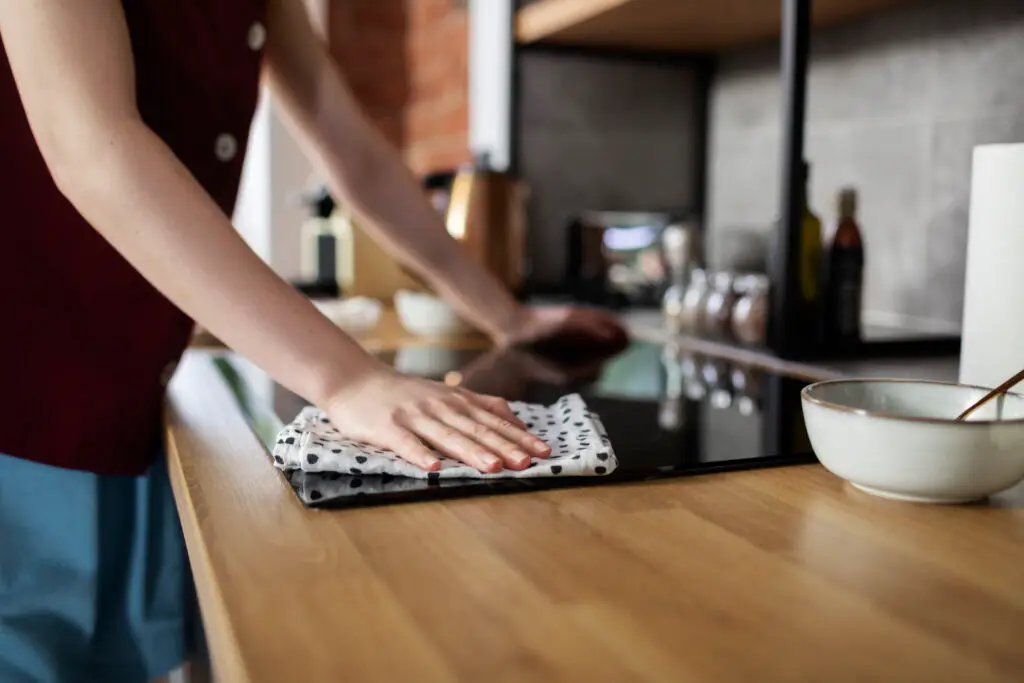
A glass stovetop looks great when it is clean. However, it also shows every spill, fingerprint, and burnt residue with equal intensity. Choosing the best glass top stove cleaner makes the difference between a quick wipe and a frustrating scrubbing session that still leaves marks.
This guide covers the top products on the market, effective DIY alternatives, and the techniques that prevent damage. Whether you are dealing with a fresh spill or months of built-up grime, using the best glass top stove cleaner for your specific situation makes the process faster and safer for the surface.
Why glass stovetops need specialized cleaners
Glass and ceramic cooktops have a smooth, non-porous surface that is sensitive to both heat and abrasion. Standard kitchen sprays and rough sponges can dull the finish or leave micro-scratches over time. The best cleaner for glass top stoves is formulated specifically to break down grease and burnt food without scratching the surface.
Using the wrong product does not just affect the appearance. Scratches trap residue, making future cleaning harder. Over time, a neglected glass stovetop can look permanently cloudy even after cleaning.
Types of stains and what causes them
Not all marks on a glass stovetop are the same, and understanding what you are dealing with helps you pick the right approach before reaching for any product.
Burnt food and carbonized residue are the most common problem. When food boils over and the burner stays on, the spill bakes directly onto the surface. The longer it sits, the harder it bonds. These stains need a cleaner with some penetrating power, not just a surface spray.
Grease films build up gradually from cooking splatter. They are not always visible as a distinct stain but give the surface a dull, slightly yellowish tone over time. A cream-based cleaner or a vinegar solution removes them effectively before they accumulate into a thicker layer.
Hard water spots appear in areas with high mineral content in the tap water, particularly when steam condenses on the cooktop. These spots look like faint white rings or cloudy patches. An acid-based solution like white vinegar or a specialized calcium remover dissolves them without abrasion.
Melted plastic or sugar are the most difficult stains to address. If a plastic bag or a sugary liquid comes into contact with a hot burner, it fuses to the glass surface as it cools. This requires a dedicated razor scraper held flat against the surface. Attempting to scrub a melted sugar stain with a cloth or pad spreads it and can cause scratches. The correct approach is to let the surface cool completely, then lift the material carefully with the scraper before applying any cleaner.
Scratch marks are not technically stains but are often mistaken for them. Light surface scratches catch the light and look dirty even after cleaning. They cannot be removed, which is exactly why avoiding abrasive tools matters so much from the start.
Top-rated products for glass stovetops
The market for cleaners for glass top stoves has several standout options, each suited to different levels of mess and user preference.
Cerama Bryte cooktop cleaning kit
This kit is a consistent top performer. It includes a non-abrasive cream cleaner, a scrubbing pad, and a razor scraper. The combination handles everything from light daily spills to heavy, burnt-on stains. The formula cuts through grease without scratching, and the included tools cover every scenario without needing extra purchases.
Weiman glass cooktop cleaner
Weiman is one of the most widely available options and a reliable everyday choice. Its cream formula clings to the surface and buffs away messes with a soft cloth. It works well as a best glass stovetop cleaner for routine maintenance, keeping the surface shiny between deeper cleans.
Better Life natural glass cleaner
For households that prefer non-toxic products, Better Life offers a plant-derived formula safe for families and pets. It is not a dedicated stovetop product, but it performs well on glass surfaces when paired with a baking soda paste for tougher spots. This is a strong option among cleaners for glass top stoves for those avoiding harsh chemicals.
Best DIY options for glass stove cleaning
You do not always need a commercial product. Several household items work well as the best stove top cleaner for glass top surfaces, especially for routine upkeep.
Baking soda paste
Baking soda is a gentle abrasive that lifts burnt food without scratching. Mix a small amount with water to form a thick paste, apply it to the cool stovetop, and cover with a hot damp towel for 15 to 30 minutes. The moisture softens the residue, making it easy to wipe clean. This is one of the most reliable DIY methods for a best glass stove cleaner result at home.
White vinegar spray
Distilled white vinegar cuts through grease and evaporates cleanly, leaving no residue. Spray it on a cool surface, let it sit for a few minutes, and wipe with a microfiber cloth. For everyday smudges and light grease, vinegar is a fast and cost-effective solution.
Isopropyl alcohol
Rubbing alcohol at 70% concentration removes oily fingerprints and hairspray residue quickly. Apply it to a cloth rather than directly to the surface to avoid over-wetting. It evaporates fast and leaves a streak-free finish.
How to use the best cleaner for glass top stove correctly
Choosing the right product is only part of the process. Technique matters just as much. Follow these steps for consistent results.
Step 1: Let the surface cool completely. Applying any cleaner to a hot glass stovetop can cause damage and burns. Always wait until the surface is cool to the touch.
Step 2: Remove loose debris first. Wipe away crumbs and dry residue with a dry microfiber cloth before applying any cleaner. This prevents scratching during the cleaning step.
Step 3: Apply the cleaner. Spread a small amount of your chosen cream or paste over the soiled areas. For spray options, apply a light mist and avoid saturating the surface.
Step 4: Let it sit. Give the product time to work. Most cream cleaners need two to five minutes. Baking soda paste benefits from a longer soak under a warm towel.
Step 5: Scrub gently. Use a soft cloth, microfiber towel, or a specialized stovetop pad. For stubborn burnt spots, use a razor scraper held at a shallow angle to lift the residue without scratching.
Step 6: Wipe and buff. Remove all cleaner residue with a clean damp cloth, then buff dry for a streak-free shine.
What to avoid when cleaning glass stovetops
Knowing what not to use is as important as knowing the best glass top stove cleaner for your needs.
- Steel wool and rough scouring pads: These cause deep scratches that are impossible to reverse.
- Powdered abrasive cleaners: Even products not marketed as abrasive can contain particles that damage the glass.
- Bleach-based sprays: These can discolor the surface and degrade the finish over time.
- Paper towels for scrubbing: While fine for a dry wipe, paper towels can cause micro-scratches when used with pressure and a gritty cleaner.
Preventing buildup between cleans
The most effective strategy is to clean spills before they harden. Once the cooktop is cool enough to touch safely, a quick wipe with a damp cloth removes most fresh spills in seconds. This prevents food from carbonizing and bonding to the glass, which is when even the best cleaner for glass top stove has to work much harder.
Placing a silicone mat or trivet nearby encourages the habit of resting hot pots without sliding them across the surface. Sliding heavy cookware is one of the main causes of scratches on glass and ceramic stovetops.
Cookware that is safe for glass stovetops
The cleaner you use is only one variable. The cookware you use on a daily basis has an equally significant impact on how well the surface holds up over time.
Flat-bottomed stainless steel and hard-anodized aluminum pans are the most compatible options. They transfer heat evenly and do not leave marks when placed and removed carefully. Cast iron pans are heavy and can scratch glass if dragged across the surface, but they are safe to use as long as you lift them rather than slide them.
Avoid pans with rough or textured bottoms. These act as an abrasive every time they are moved on the surface. Similarly, avoid using the same burner repeatedly with a pan that has a carbon buildup on the base, as the residue transfers to the glass and makes cleaning harder.
Ceramic pans work well but require attention to avoid thermal shock. Placing a cold ceramic pan on a very hot burner can stress the glass surface underneath. Allow both the pan and the burner to reach a similar temperature before placing one on the other.
When DIY cleaning is not enough
Most stovetop messes respond well to the products and methods above. However, some situations go beyond routine maintenance. Grease that has been baked on repeatedly over months, residue trapped in the trim channels around the burners, or a kitchen that has not had a thorough clean in years are all cases where surface cleaning will not produce lasting results.
A professional deep kitchen clean addresses the stovetop as part of a complete reset, including the oven interior, range hood filters, backsplash, and the areas behind and under appliances that most people never reach. Starting from a fully clean baseline makes ongoing home maintenance significantly easier, since you are maintaining rather than catching up.
The best glass top stove cleaner for every situation
The right choice depends on your priority. For heavy, burnt-on messes, the best glass top stove cleaner is Cerama Bryte or a baking soda paste, as both deliver the strongest results. For routine maintenance, Weiman or a simple vinegar spray is fast and effective. For households prioritizing non-toxic products, Better Life and baking soda cover most scenarios without harsh chemicals.
Whatever product you choose, the technique makes the difference. A cool surface, the right tools, and a little patience will keep your glass stovetop looking new for years.
